



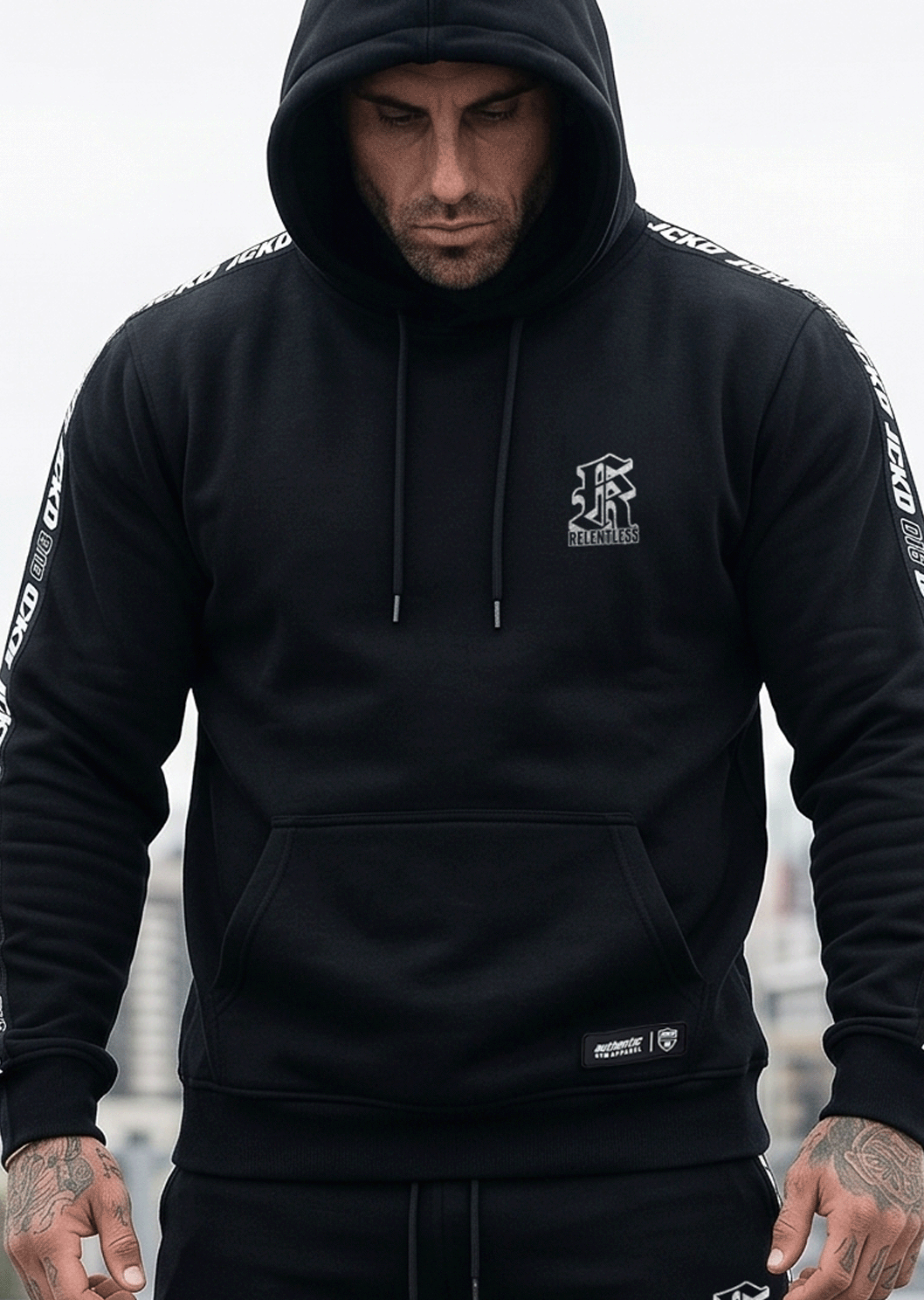
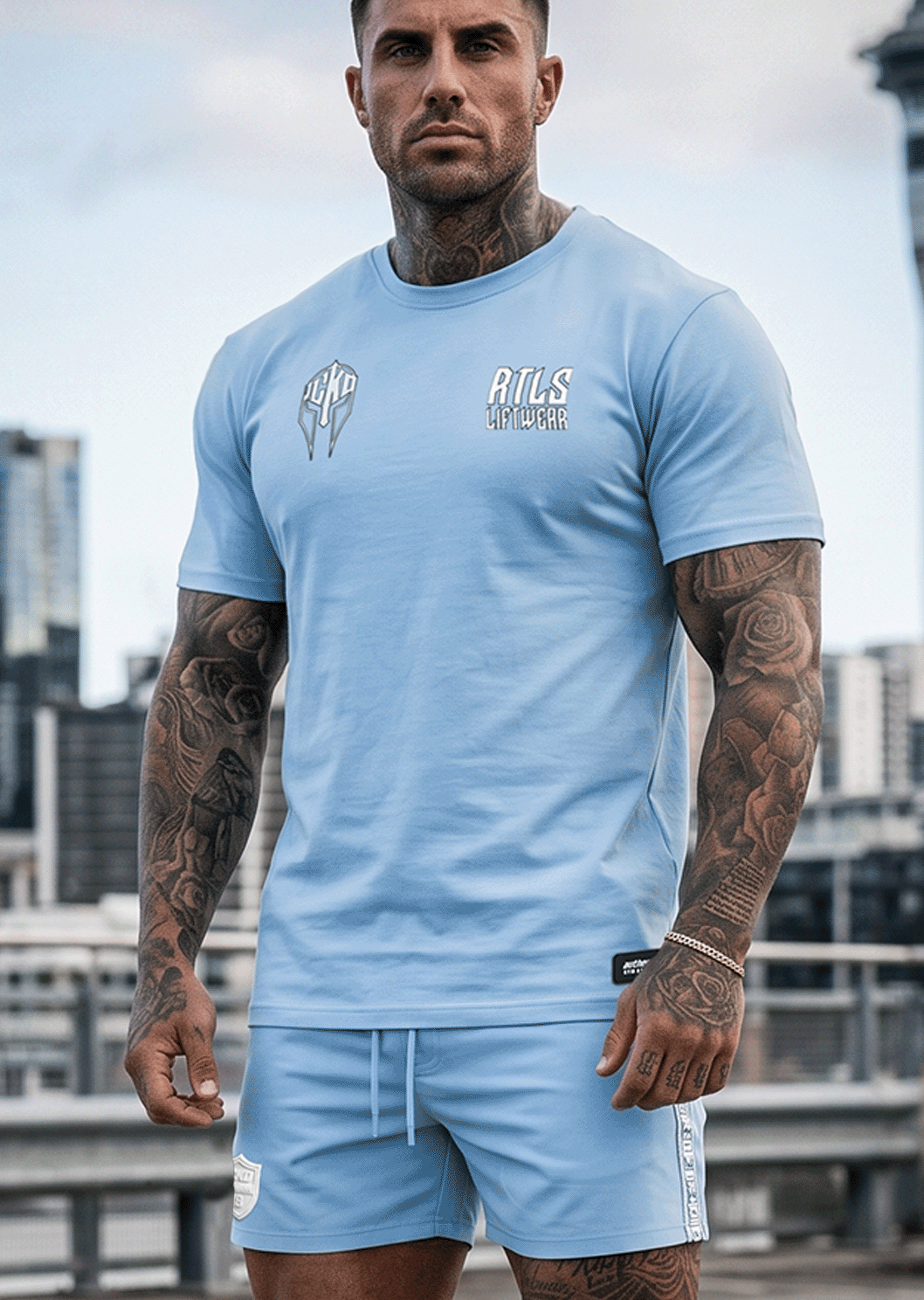
Search activewear brands and you get two very different kinds of result on the same page. The global names everybody knows, and a long tail of smaller labels you have never heard of. Both are selling black tees. The prices are often not that far apart. So what are you actually choosing between?
We are one of the small ones, which means you should discount our opinion accordingly. What follows is an attempt to be straight about it anyway, including the parts where the big brands win outright.
What the global brands are genuinely better at
Range width and size availability
A large activewear brand carries hundreds of styles across every category, in every size, restocked continuously. If you need a specific colour in a specific size on a specific day, they will have it and we probably will not. That is not a small advantage. It is the main one.
Returns and logistics at scale
Big operations have return portals, local warehouses in more countries, and the volume to absorb the cost of a free return. If low-friction returns matter to you more than anything else, buy from scale.
Technical development
Engineered synthetic fabrics, compression, seamless knit, sweat-management systems. These take real research budgets. A small cotton-led label is not out-engineering a company with a materials lab, and any that claims otherwise is overselling.
What smaller independents are genuinely better at
Depth instead of width
A small brand cannot make everything, so the ones worth buying make a narrow range properly. Instead of forty silhouettes at a mid weight, you get four cuts at a weight and construction the brand actually chose. Our whole range runs on one fit blueprint at published weights: 180 to 220 GSM across the classic tees, 220 GSM on the oversized cuts, 150 GSM on singlets. That consistency is only possible because the range is small.

You are not wearing the uniform
The trade-off of buying the biggest brand is that its best-selling tee is on several other people in your gym. Some people want that and it is a perfectly reasonable thing to want. Others would rather not, and that is most of the reason small labels exist at all.
Shipping and returns inside your own country
This one is specific to New Zealand and Australia and it matters more than the marketing does. A brand shipping domestically gets a parcel to you in days rather than weeks, and a return goes back across town instead of across an ocean at your expense. Before you buy from any activewear brand, read the shipping page, not the about page.
Someone who knows the garment answers the email
Ask a large brand which size to take if you are between sizes with a broad back, and you get a chart. Ask a small one and you get an answer from a person who has handled the sample. Whether that is worth anything to you depends on how confident you are in your sizing.
The part that is the same either way
Here is the uncomfortable truth for small brands: size alone tells you nothing about quality. Plenty of independents print on the cheapest blanks available and charge a premium for the story. Plenty of large brands make genuinely excellent product with published specifications.
So the honest advice is that the big versus small question is second. The first question is whether the brand publishes what is in the garment. We set out the five-minute version of that in how to judge a workout clothing brand before you buy, and it applies to both sides of this equally.

How to actually decide
- Buy global if you need a specific size right now, want the widest choice, prioritise frictionless returns, or want engineered synthetic performance fabric.
- Buy independent if you want heavier cotton and consistent fit over range width, care about domestic shipping and returns, and would rather not wear the same tee as the rest of the floor.
- Buy neither if the brand will not tell you the fabric weight. That rule holds on both sides.
Most people end up with both, and there is nothing wrong with that. A global brand for technical bottoms and a small label for heavyweight cotton tops is a perfectly sensible wardrobe.
Frequently asked questions
Are smaller activewear brands better quality than big ones?
Not automatically. Small brands can focus on depth and consistency across a narrow range, but plenty print on cheap blanks and charge for the story. Judge by whether specifications are published, not by company size.
Why are independent activewear brands often a similar price to global ones?
Because they buy in far smaller quantities. A global brand ordering hundreds of thousands of units gets a unit cost a small label never will, so a small brand's price reflects lower volume rather than higher margin. What you should check is whether the specification justifies it.
Is it worth buying activewear from a New Zealand brand?
If shipping time and returns matter to you, yes. A domestic brand delivers in days and takes returns without an international parcel. If you need the widest possible size and style availability, a global brand will serve you better.
What should I look for in any activewear brand?
Published fabric weight in GSM, a named fibre, listed construction details, a size guide that covers the whole range, and a clear shipping and returns page. Any brand that has all five is being straight with you regardless of its size.
If you want the shortlist rather than the framework, we rated the field, competitors included, in the best gym clothing brands in NZ and Australia. Or see what depth over width looks like in The Rotation.