



Short answer: in a New Zealand summer you train in less fabric and lighter fabric, and you pick pieces that handle sweat without going see-through or losing shape. A 150 GSM singlet or a stringer on top, rapid-dry shorts below, a cap for the walk in, and a 180 GSM tee for the days you want sleeves. The rest of this guide is about getting each piece right, because summer exposes cheap gymwear faster than any other season.
Why summer is harder on gym clothes than winter
Winter training is about layering, and we covered that in the NZ winter layering guide. Summer is the opposite problem. You sweat two or three times as much, most NZ gyms run warm by mid-afternoon even with the doors open, and the sun on the walk from the car is strong enough to matter.
That changes what you ask of a garment. A tee that felt fine in July now gets soaked through, washed after every session, and dried in UV that fades black faster than any detergent. Thin fabric turns transparent when wet. Seams that held up to 60 washes a year do not hold up to 150.
The summer gym kit, piece by piece
Top: a singlet or stringer for most sessions
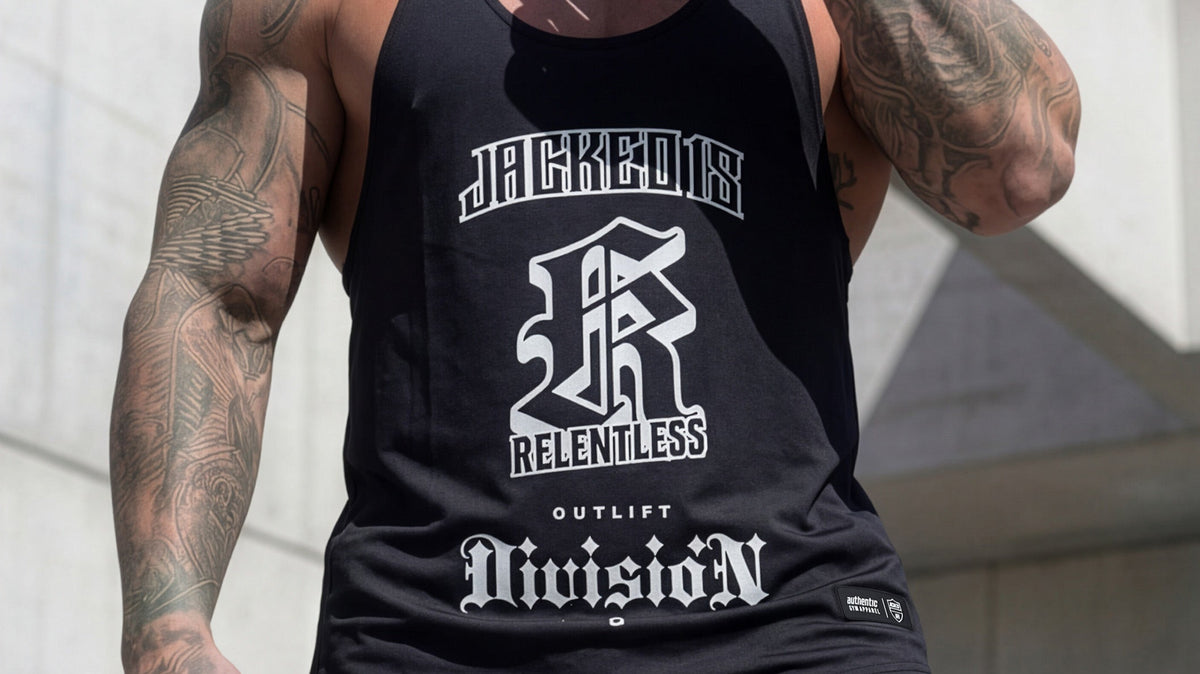
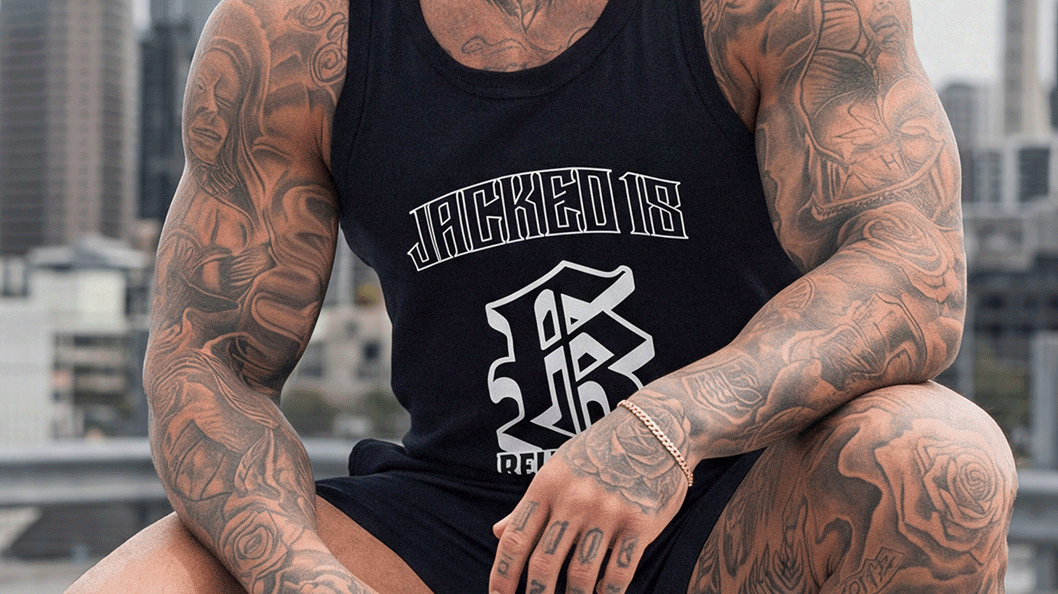
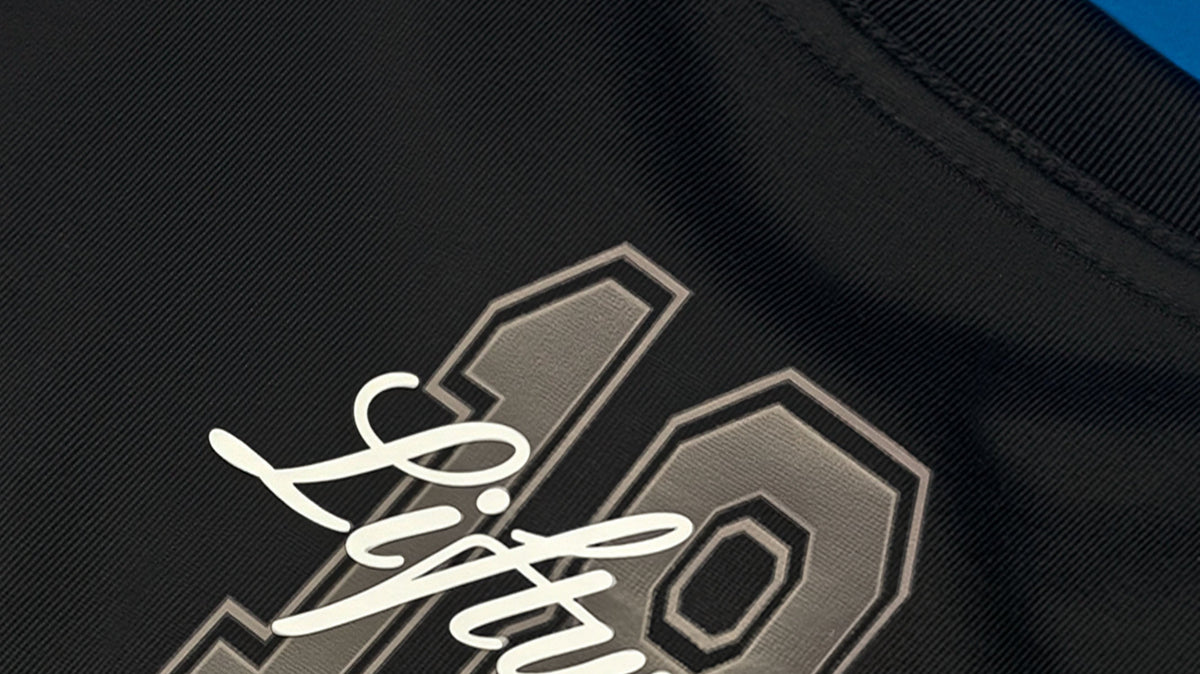
This is the obvious move and it is the right one. Less fabric means less heat and less sweat sitting against you. The 1018 Relentless Singlet is cut from lightweight 150 GSM combed cotton in a Flexset fit, tapered through the chest with a curved hem, so it stays close without clinging when it gets damp. The Kong Heavy Lifters Singlet is the same 150 GSM weight with side seams for shape and twin-needle hems, and both are pre-shrunk so the fit you buy is the fit you keep.
If you want even less on your shoulders, the 1018 Relentless Stringer is lightweight 100% cotton with deep arm cuts, thin straps and a racerback, built for pressing and pulling with nothing in the way. Fit on a stringer works differently to a singlet, so read how a gym stringer should fit before you size one. The full sleeveless range sits in singlets and tanks.
Top: a lightweight tee for sleeve days
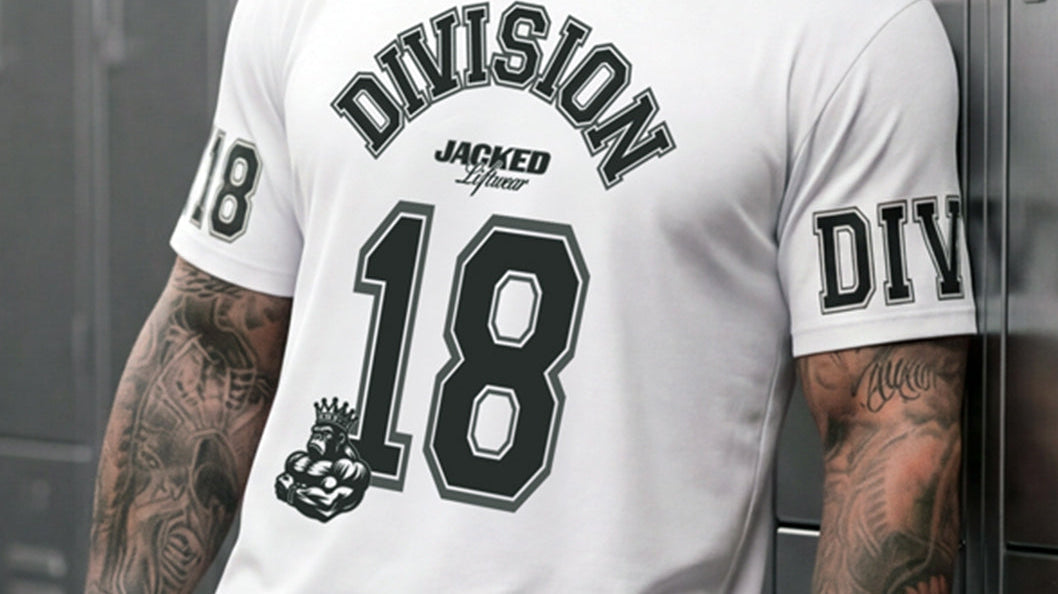
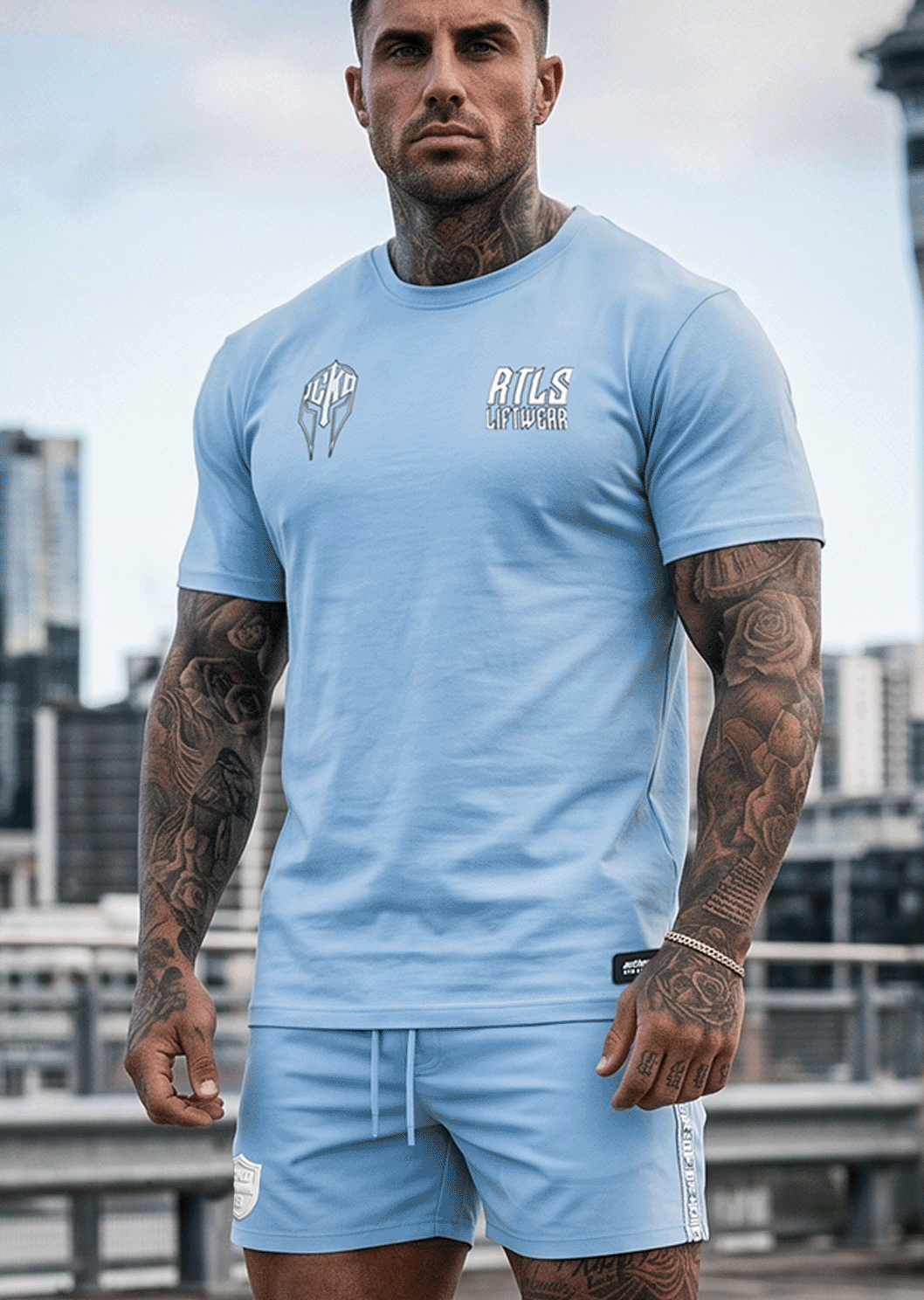
Some gyms want sleeves, some sessions want them, and some people just do. For summer the weight to look for on a classic tee is the bottom of the 180 to 220 GSM range. The 3018 DIV18 Tee in white is 180 GSM combed cotton, and it is the tee in our range that was deliberately built for heat: lighter and cooler than the heavyweight cuts, with reinforced seams so it does not pay for that with durability. The OG grey DIV18 is the same build in a colour that hides chalk. For a cleaner front, the Crowned Lifter Tee in white is 180 GSM, 28-singles combed cotton in a regular fit.
All of the classic 3018 tees are 180 GSM, pre-shrunk, with side seams and shoulder-to-shoulder tape. If GSM is new to you, what GSM means in gymwear explains why the number matters more than the fabric name on the label.
Top: oversized when you want cover, not cooling
Be honest about what an oversized tee is for in summer. At 220 GSM the 4018 The Ark Oversize Tee in white is the heaviest top you will wear in January, so it is not the cooling option. It is the cover option: the boxy cut and dropped shoulders keep fabric off your skin, and it goes on over the singlet for the walk out. In white it reflects the sun instead of soaking it up. The 4018 oversized range is where the pump covers live, and the newest cuts land in new drops first.
Bottoms: shorts that dry
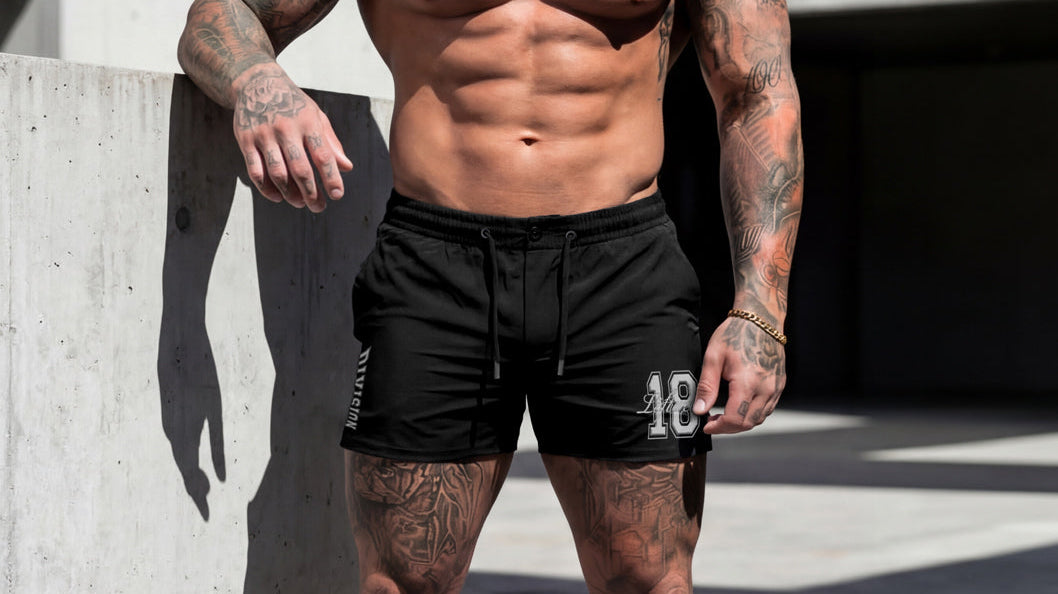
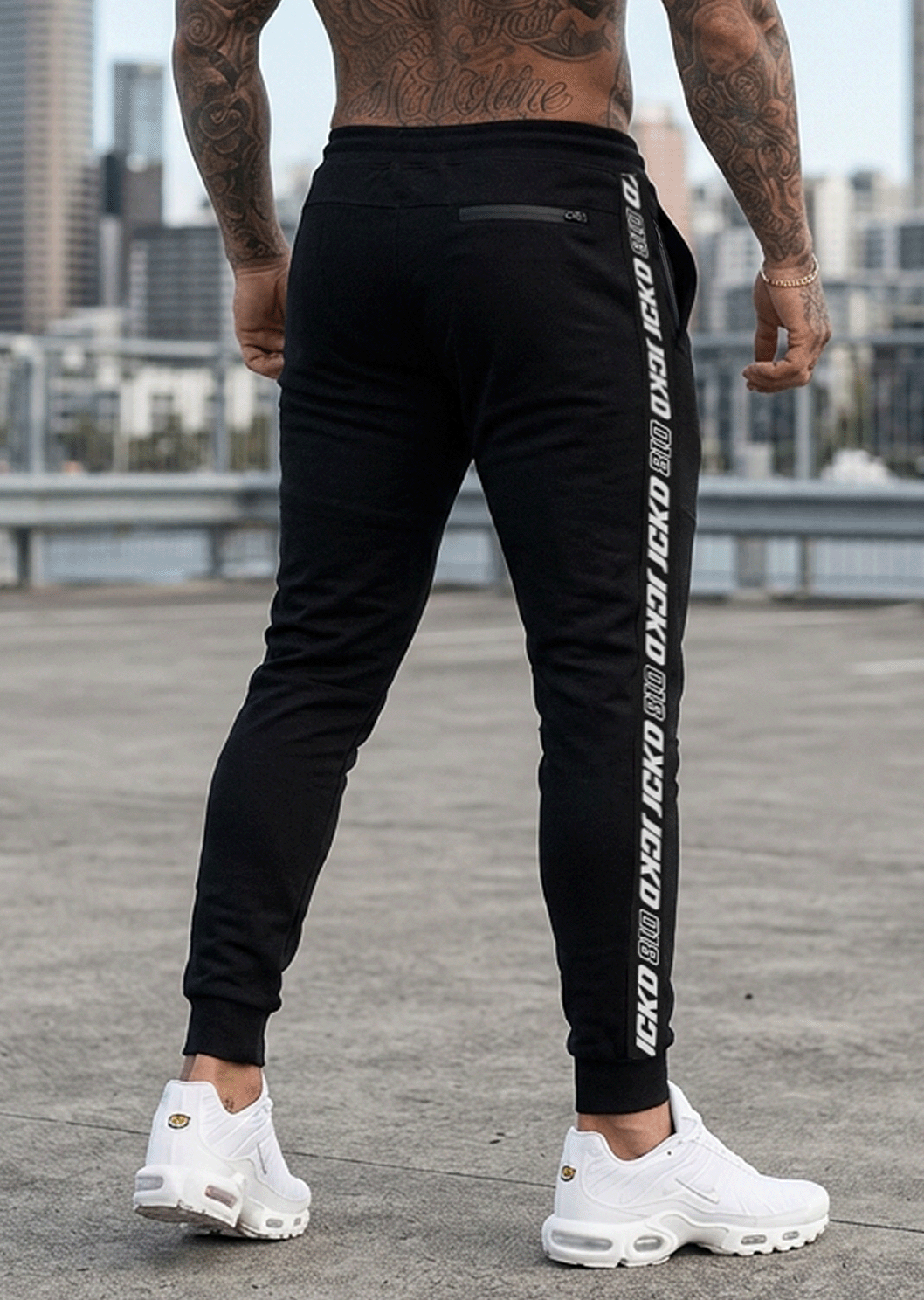
This is the one place to go synthetic without apology. Cotton on your legs in summer just holds sweat. The 1023 Squat Crue 18 Shorts are a nylon spandex blend with four-way stretch that wicks moisture, cut shortened for squats and lunges. The 1020 Quad Stomp Pearl Shorts are lightweight rapid-dry polyester in white with a drawstring waist, and the 1023 Baller 18 Shorts are the same rapid-dry polyester in a regular length for the gym-to-street days. Length is a separate decision, and how long gym shorts should be walks through it. Everything is in gym shorts.
Head: a cap for the walk in
Not for training in, unless you like a wet brim. For the car park, the outdoor session and the drive home. The 1018 Crest 18 Snapback is a structured A-frame with a raised shield badge and a rear snap, so it fits the same on day one and day one hundred. The rest are in caps.
Colour does more work in summer
Black is the easy choice all year, but it absorbs heat on the walk from the car and it fades fastest in NZ sun. White and light grey reflect heat and hide fade. The trade is that white shows chalk and lighter colours can show sweat. A good summer rule: light colours outdoors and on the commute, black on the gym floor where the sun is not a factor. If you run an all-black rotation, the all-black kit guide covers how to stop it going grey.
Cotton or synthetic in the heat
Both, in different places. Cotton wins on your torso: it breathes, it does not hold odour the way polyester does, and it feels better against skin when you are lifting rather than running. The honest downside is that cotton holds sweat longer, which is why the weights above are 150 and 180 GSM and not 220. Synthetic wins below the waist, where sweat pools and you want fabric that moves and drains. Cotton top, rapid-dry shorts. That is the summer kit in one line.
Keeping summer kit alive
Summer kills gym clothes through volume: more sessions, more sweat, more washes. Three rules carry most of the weight. Do not leave a wet singlet in the gym bag overnight, because that is where the smell sets. Wash cold and inside out so the print and colour survive the extra washes. Dry in shade, not full sun. The gym clothing care guide has the full routine.
The 6am problem
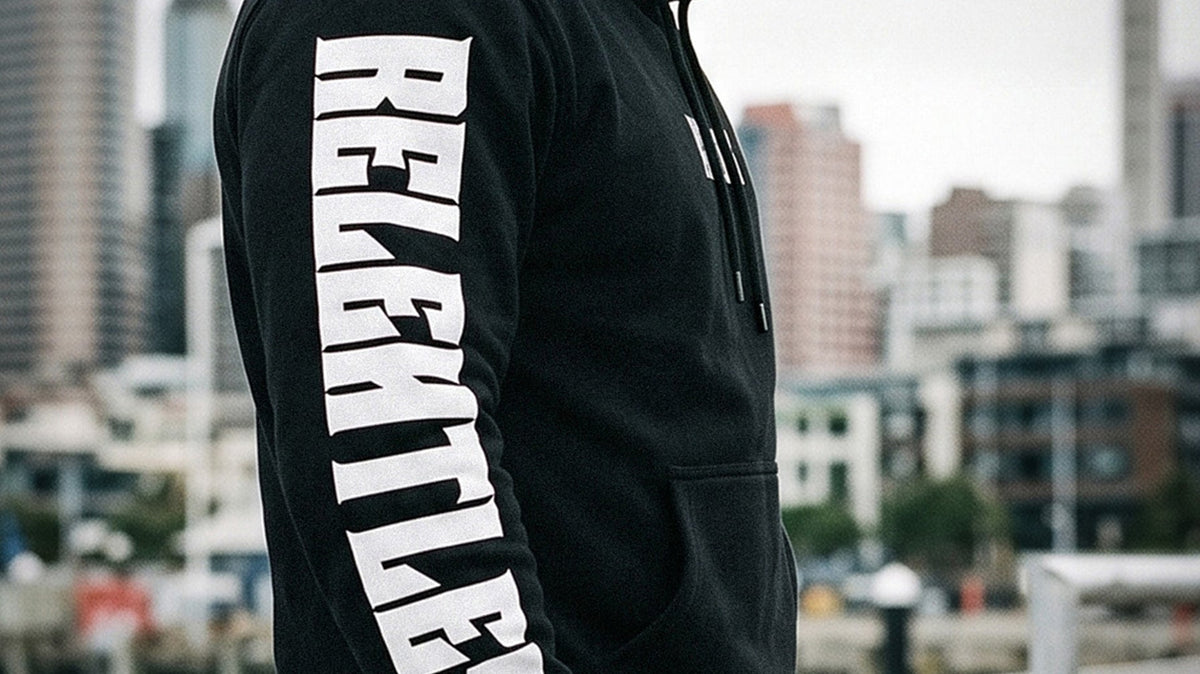
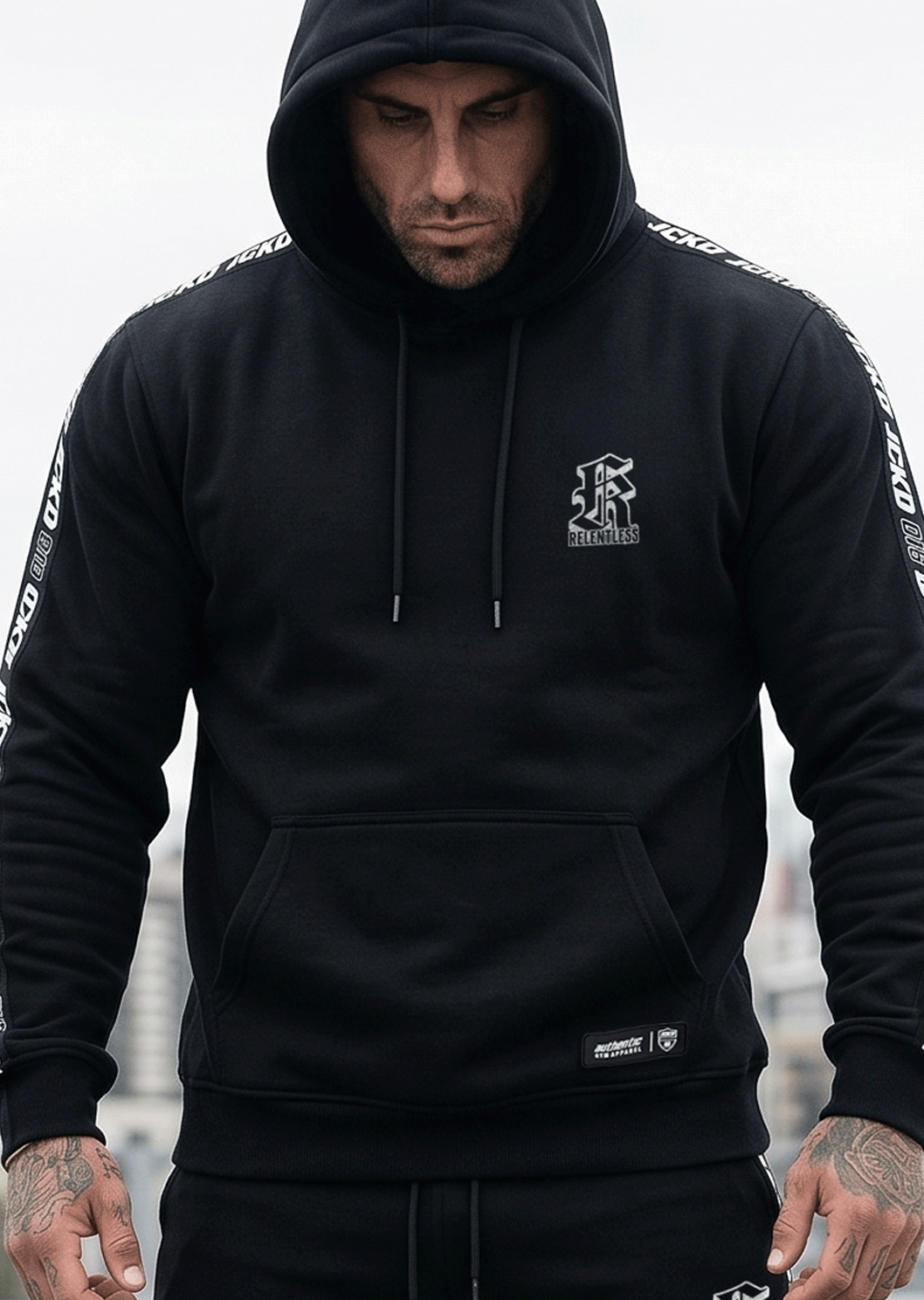
Summer mornings in NZ still start cold, and a lot of gyms run the aircon hard. If you train early, keep one layer in the rotation. The Relentless Hoodie in white is a mid-weight 230 GSM CVC fleece, built to go over a tee on cold starts and come off mid-session. One hoodie is enough. Everything else should be singlets, light tees and shorts until April.
Summer gym kit FAQ
What is the best material for gym clothes in hot weather?
Lightweight combed cotton on top, around 150 GSM for a singlet and 180 GSM for a tee, because it breathes and does not hold odour. Rapid-dry polyester or a nylon spandex blend for shorts, because it dries fast where sweat pools.
Is it better to wear a singlet or a t-shirt to the gym in summer?
A singlet for most sessions. It is cooler, it dries faster because there is less of it, and it lets you see your shoulders and arms working. Keep a light tee for the gyms or sessions where you want sleeves.
Should I wear black or white to the gym in summer?
White or light grey for anything in the sun, because it reflects heat and hides fade. Black on the gym floor is fine. Whichever you pick, dry it in shade so NZ UV does not fade it.
How many gym outfits do I need for summer?
Enough to wash after every session without running out. For five sessions a week that is four or five tops and three pairs of shorts, since shorts can go two sessions if they dry fully between.