



Winter in New Zealand doesn't stop training, it just makes the walk to the car harder. Cold starts, dark mornings, a gym that never quite warms up until you're two sets deep. What you wear decides whether you spend the first fifteen minutes fighting the cold or actually lifting. This is the practical guide to what to wear to the gym in winter in NZ: how to layer, what fabrics hold up, and what to leave at home.
Winter training is a layering problem, not a warmth problem
The mistake most people make is dressing for the coldest moment, the car park, and then overheating by their second exercise. You want to be slightly cold when you walk in. Within a few minutes of moving, your body handles the rest.
The fix is simple: build in layers you can shed. A base layer that moves with you, an insulating mid layer that traps heat, and an outer layer for the commute that comes straight off once you're working. Get the layering right and you're comfortable from the door to the last rep, without hauling a gym bag full of gear you never wear.
The three-layer system for a Kiwi winter
- Base layer: a fitted or classic-cut cotton tee that sits close enough to keep warmth in without restricting the lift.
- Mid layer: a heavyweight hoodie or fleece, the piece doing the actual insulating.
- Bottoms: proper joggers with real fabric weight, not thin track pants that give up the second the wind picks up.
Start with the base layer
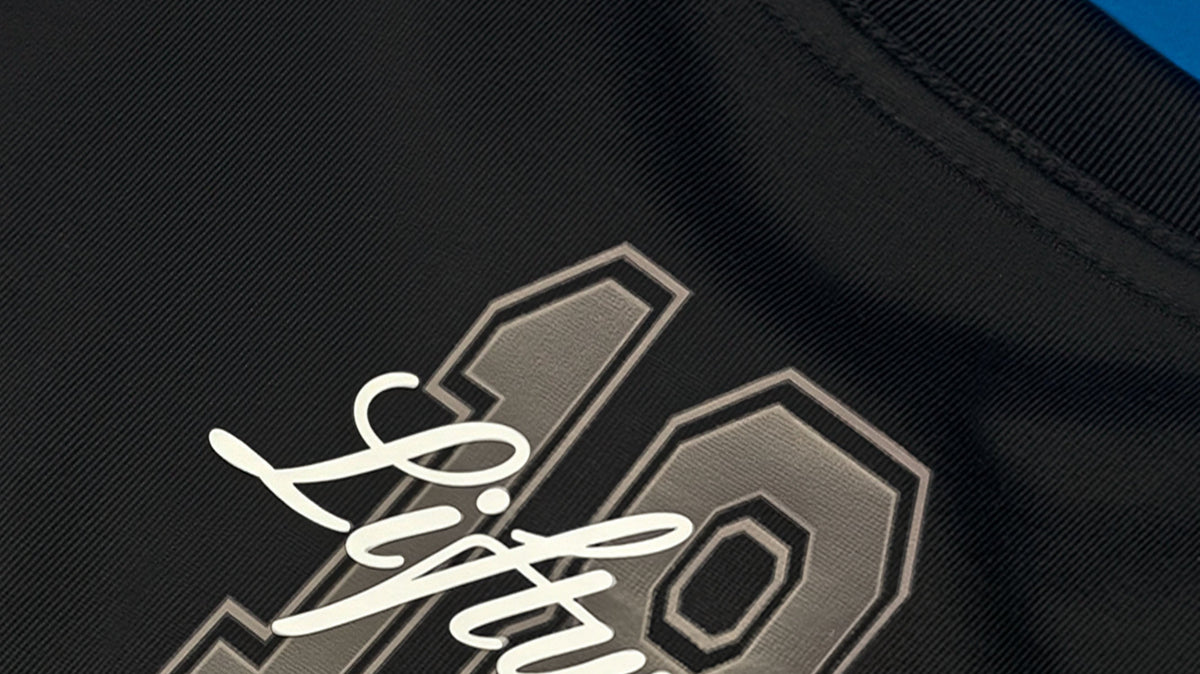
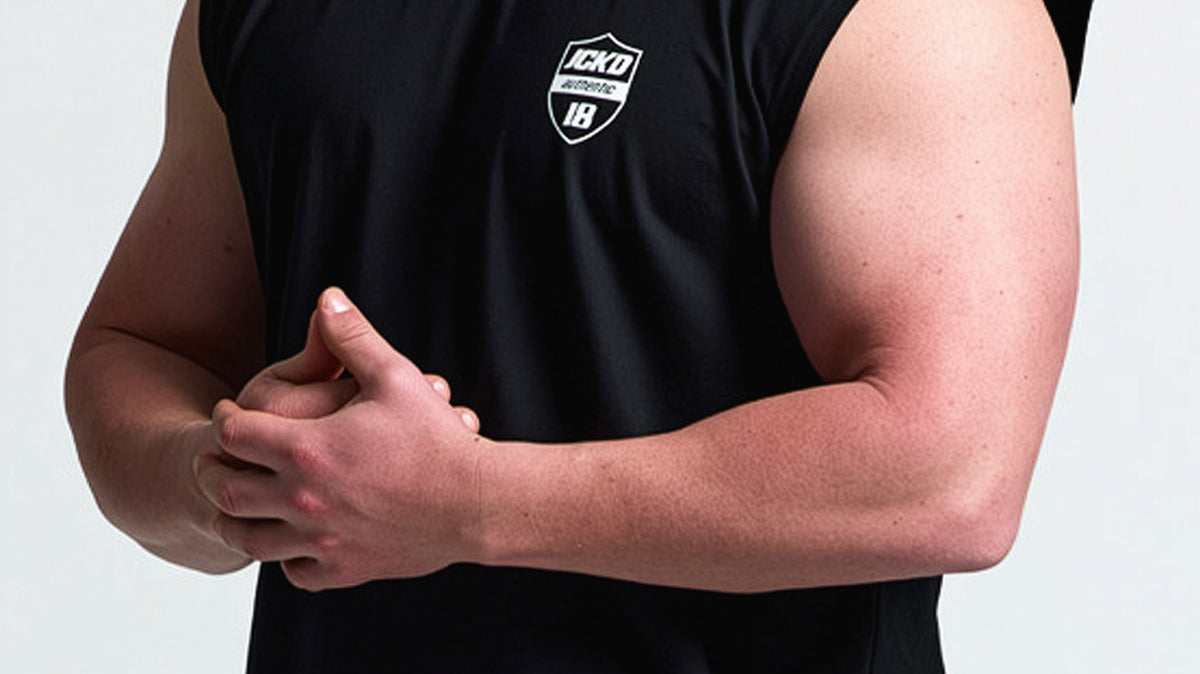
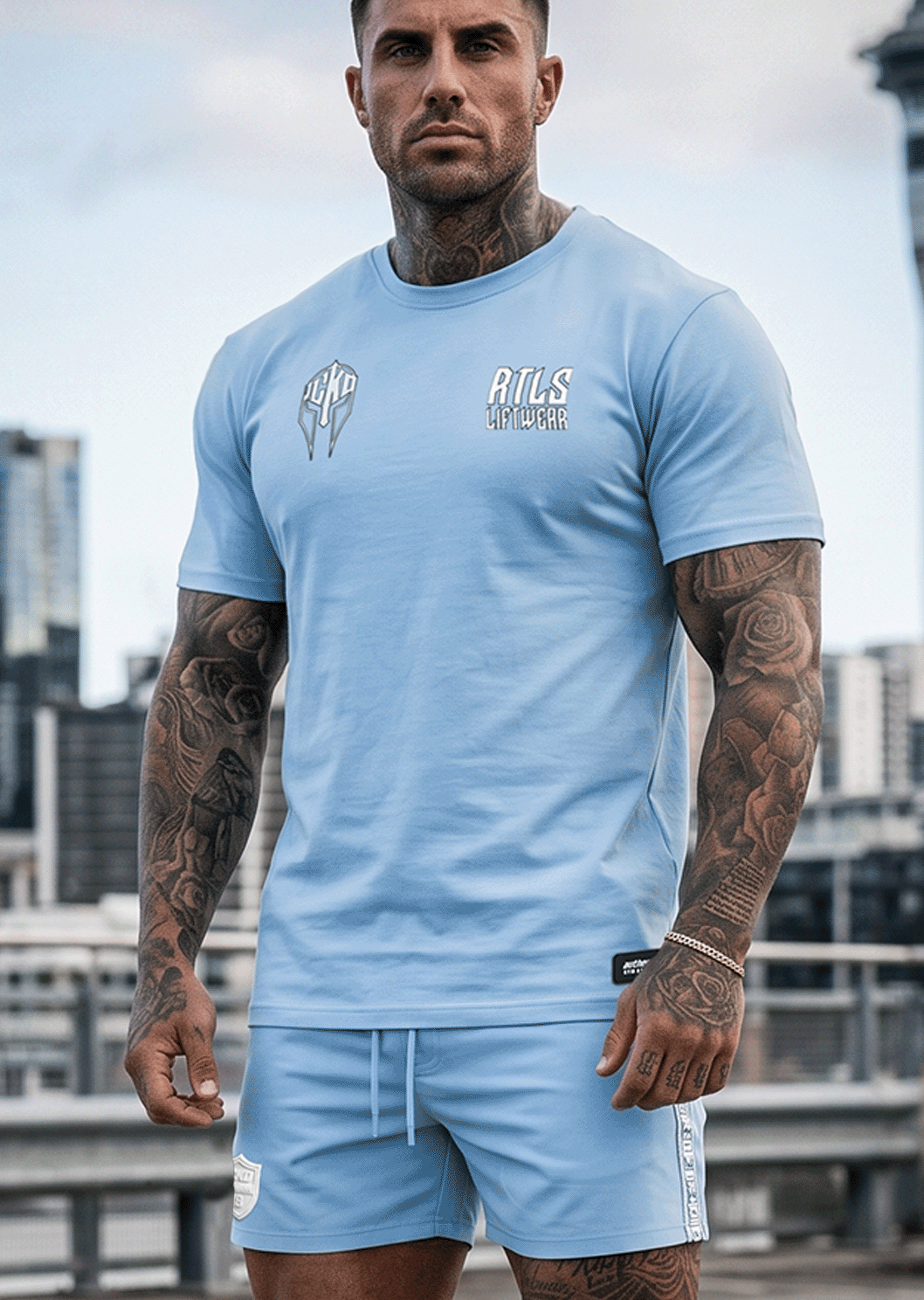
Your base layer is the one piece touching you for the whole session, so it earns its spot. In winter you want something with a bit of substance. A classic-fit tee holds warmth better than a paper-thin summer shirt and won't cling awkwardly under a hoodie. Our Crowned Lifter Tee is 180 GSM, 100% combed, pre-shrunk cotton built exactly for this: enough structure to layer cleanly, soft enough to train in for an hour without noticing it.
Prefer a roomier cut? A heavyweight oversized tee like the Signature Oversized at 220 GSM works as a base layer too. The extra fabric traps a surprising amount of warmth, and it looks right on its own once the hoodie comes off. If you're weighing the two cuts, our guide to what GSM means in gymwear breaks down why heavier fabric holds heat.
The mid layer does the heavy lifting
This is the layer that makes or breaks a winter session. A proper heavyweight hoodie keeps you warm through your warm-up, the bit where you're standing around between sets, and the walk back out into the cold. Thin fashion hoodies don't cut it: they look the part and insulate like a t-shirt.
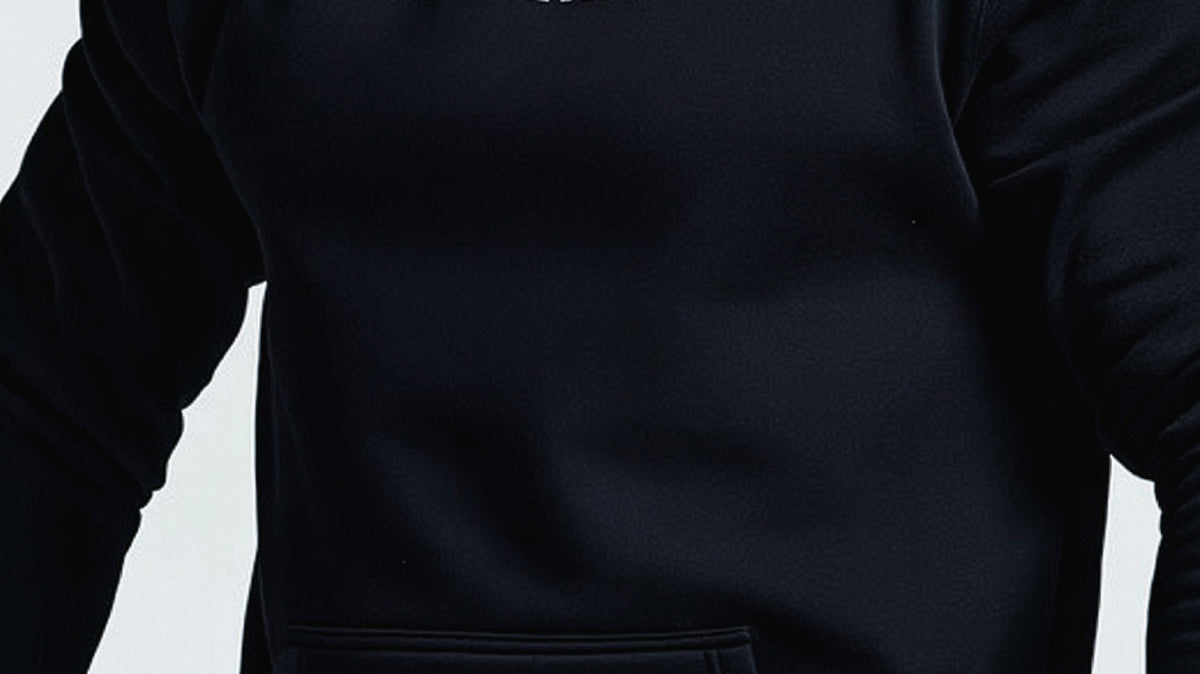
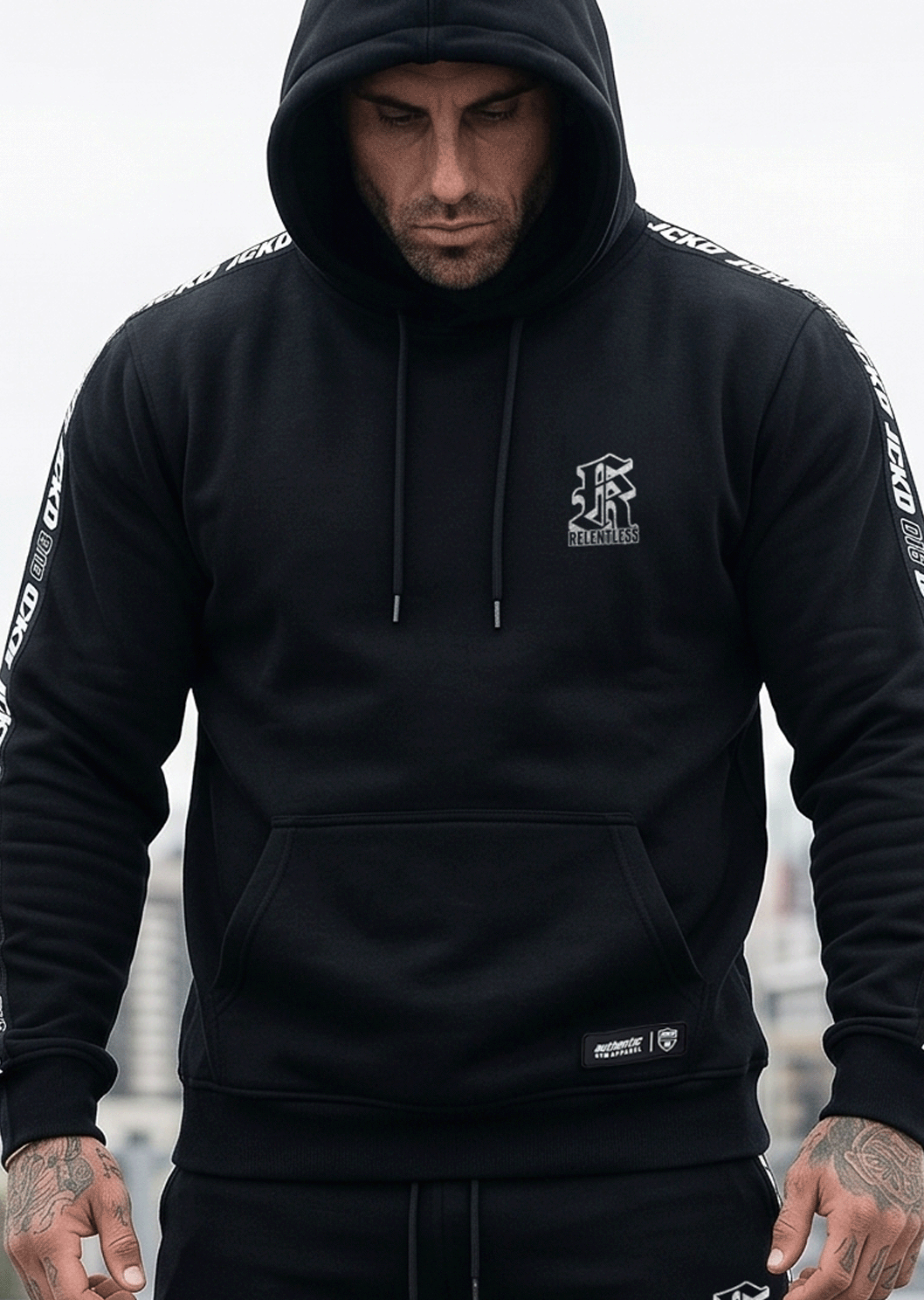
The RTLS Armour Hoodie is built for exactly this window. It's a 350 GSM anti-pill CVC fleece, 80% cotton and 20% recycled polyester, with a lined hood, ribbed cuffs, and a clean athletic fit that layers over a tee without swallowing you. It holds shape wash after wash and carries enough weight to be the only warm layer you need most winter days. For a second option in the same range, the Outlift Vertical Hood is cut on the same premium fleece brief.

Want to go deeper on picking a training hoodie for the cold months? We wrote a full guide to gym hoodies built for NZ winter that covers fit, fleece weight, and what to look for.
Don't neglect the bottoms
Legs get ignored until you're doing your first cold squat of the day. Thin track pants breathe too much in winter and offer no protection walking in. You want a jogger with genuine fabric weight and a tapered fit that doesn't catch on the rack.
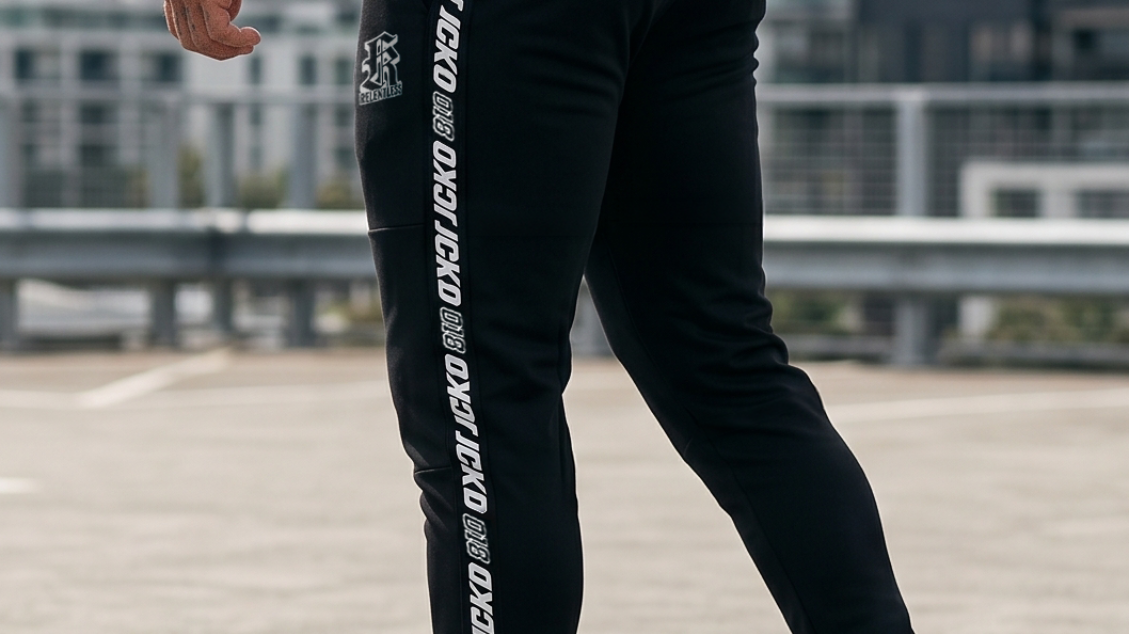
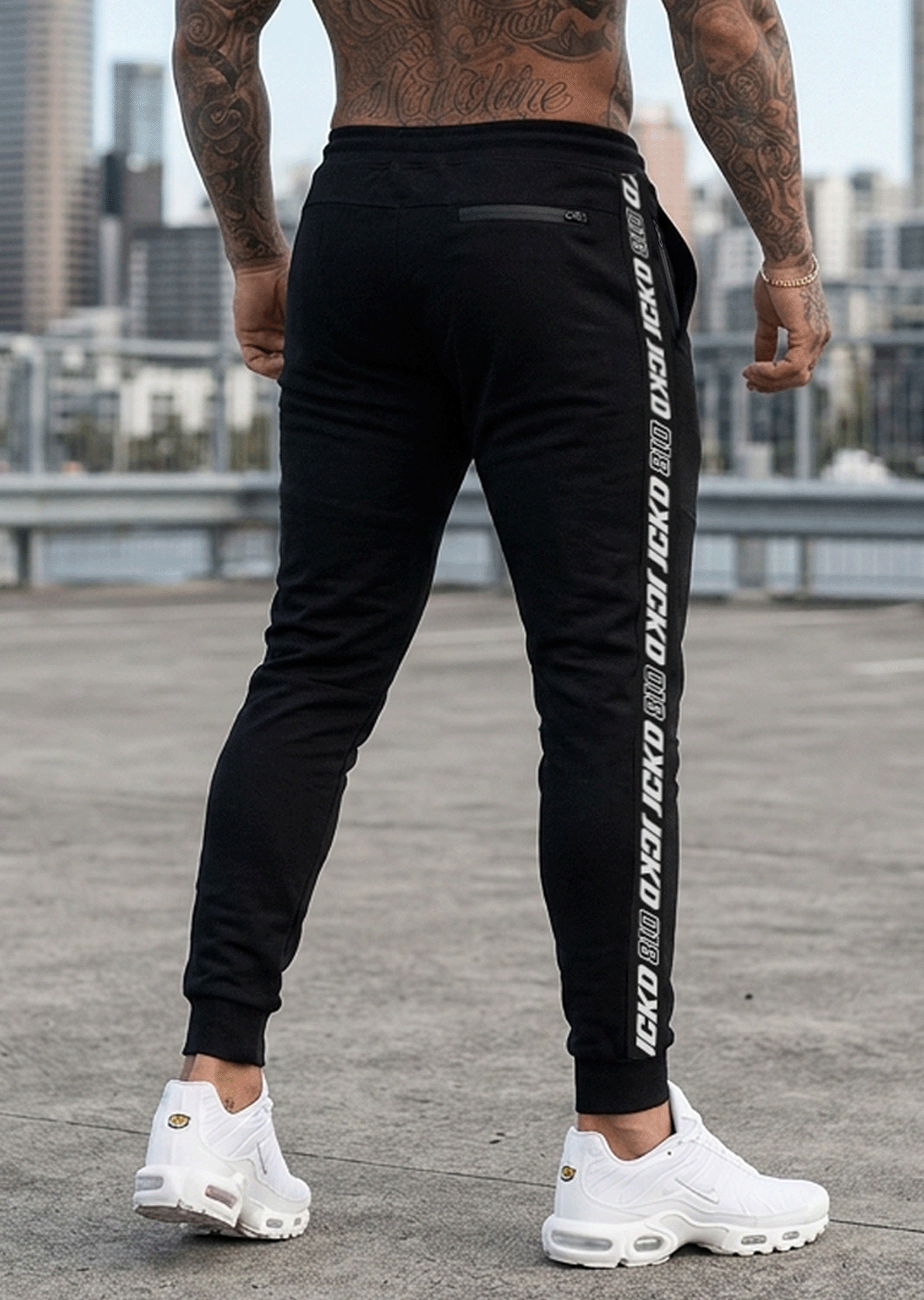
Our Core-Lock Joggers are built for cold starts: a 230 GSM mid-heavy scuba-style blend, 54% polyester and 46% cotton, that's warm without being bulky, tapered through the leg, with deep zip pockets and a secure rear zip pocket for your phone. They handle the commute, the warm-up, and the whole session without you thinking about them. For the full rundown on training bottoms, see our gym joggers guide for NZ lifters.

Small things that make winter training easier
- A beanie or cap for the commute. You lose real heat off your head walking in at 6am. It comes off the moment you start moving.
- Dry socks in the bag. Wet feet from a rainy car park kill a session faster than cold hands.
- A layer you can actually carry. If your outer hoodie is too bulky to stuff in a bag or tie around your waist, you'll end up training in it and overheating.
- Dark colours hide the grime. Winter means mud, rain, and more washes, and heavier, darker pieces wear it better.
Everything above lives in one place if you want to build a winter rotation from scratch: the Core Weight Hoodie range for your mid layer, and The Rotation for the tees, joggers, and layers that go with it.
The bottom line
Winter training in NZ isn't about wearing the most, it's about wearing the right three layers so you can shed heat as you warm up. A substantial cotton base, a heavyweight fleece doing the insulating, and joggers with real weight. Get those right and the cold stops being a reason to skip.
FAQ
What should I wear to the gym in winter in NZ?
Layer it: a classic-fit cotton tee as a base, a heavyweight hoodie around 350 GSM fleece as your mid layer, and weighted joggers on the bottom. Dress to be slightly cold walking in, because you warm up fast once you're moving and you can shed the hoodie mid-session.
Is a cotton hoodie warm enough for winter training?
A heavyweight one is. A 350 GSM cotton-blend fleece like the RTLS Armour Hoodie insulates well through warm-ups and rest between sets. Thin fashion hoodies don't, because fabric weight is what keeps you warm. Check the GSM before you buy.
Should I train in the layers I walked in with?
No. Shed your outer layer once you're warm. Keeping a heavy hoodie on through working sets makes you overheat and sweat through everything. Wear it for the commute and warm-up, then strip down to your base layer for the actual lifting.
Are joggers or shorts better for winter gym sessions?
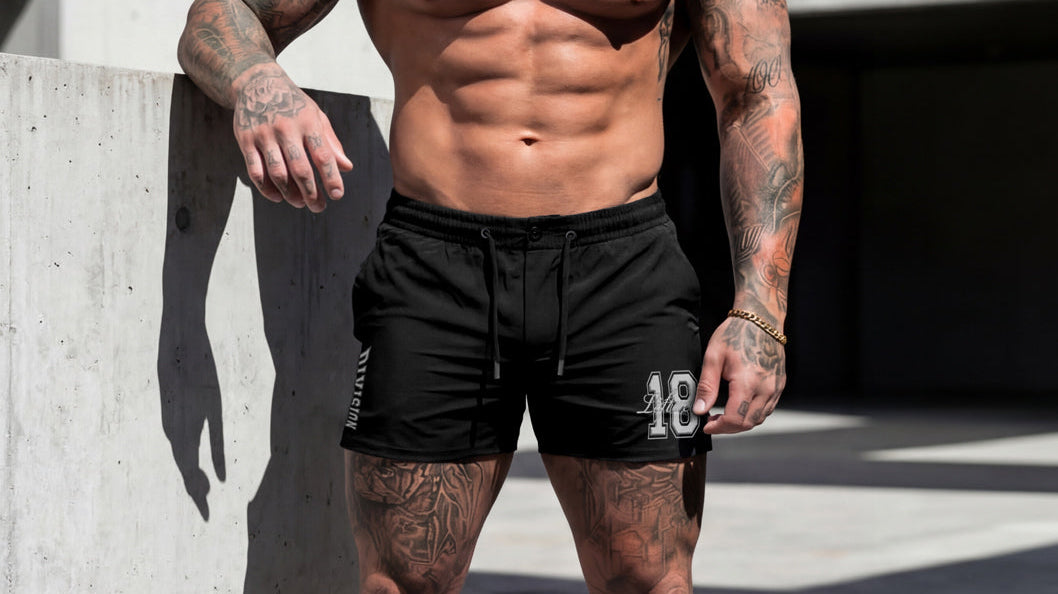
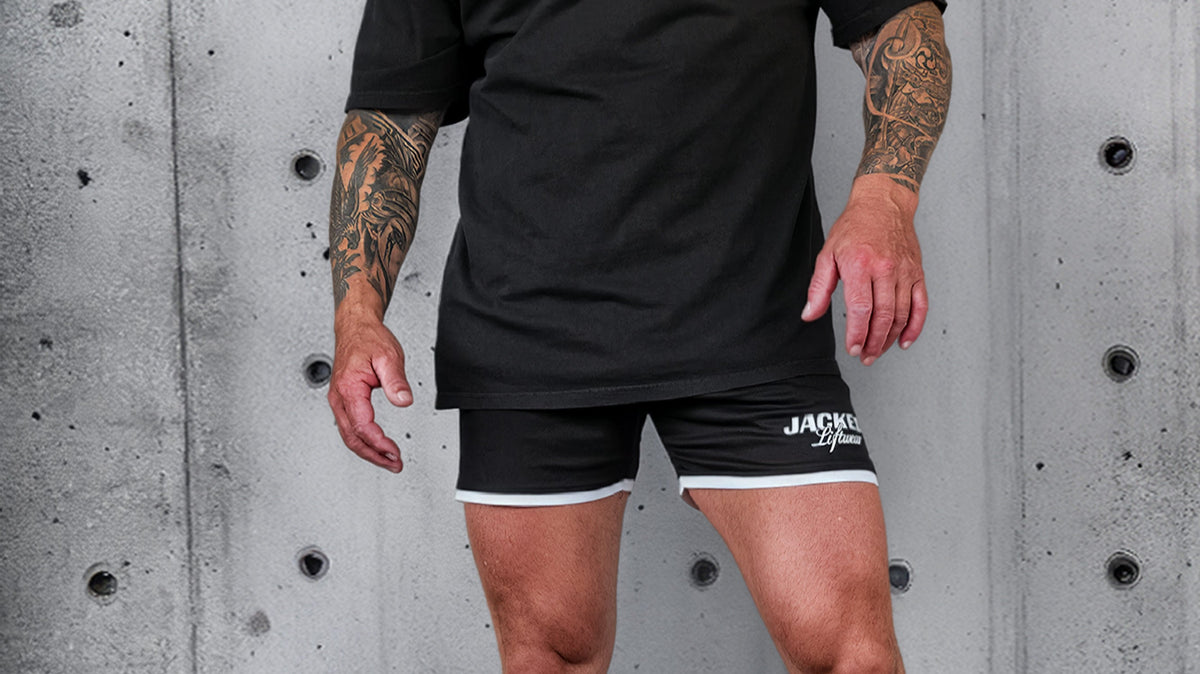
Joggers, in a Kiwi winter. Weighted joggers keep your legs warm through cold starts and the walk in, and a tapered fit stays out of the way on leg day. Save shorts for summer or heated studios.