



Most joggers are made to sit on a couch. A few are built to train in. If you lift, the difference matters. A pair that bags out at the knee, pills after three washes, or has pockets shallow enough to spit your phone onto the platform isn't gymwear, it's loungewear with a logo.
This is the RTLS guide to buying gym joggers in NZ: what to look for, what the spec sheet is actually telling you, and how to pick a pair that survives cold starts, heavy sessions, and the walk to the car afterwards.
What makes a jogger a gym jogger
Three things separate training bottoms from everything else on the rack: the fabric weight, the fit through the leg, and whether the details were designed by someone who's actually loaded a bar.
1. Fabric weight and blend
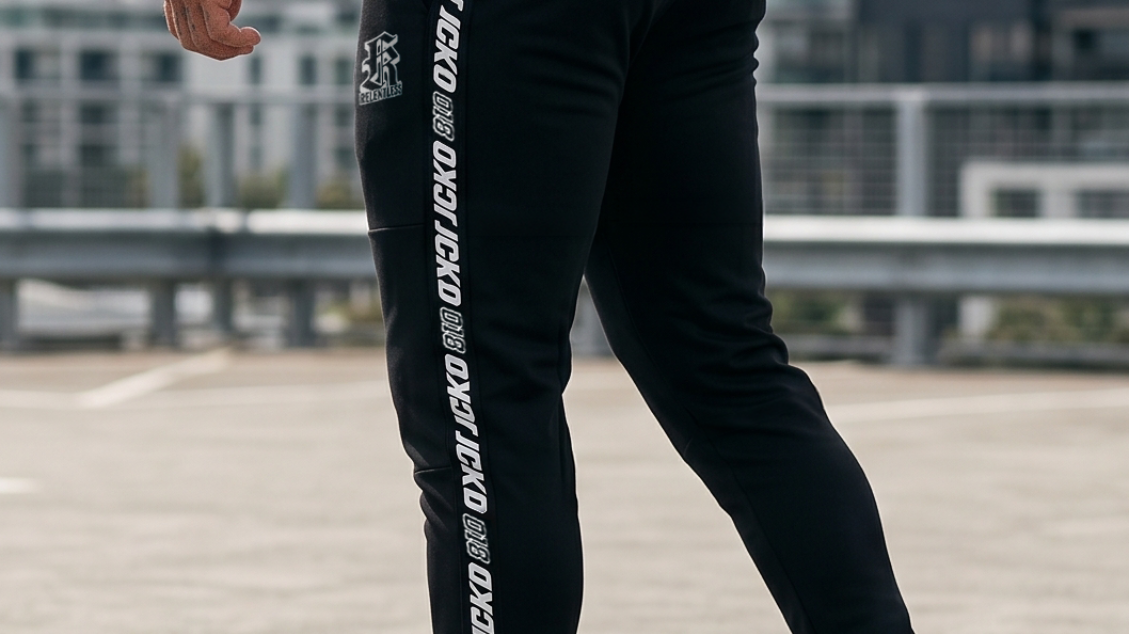
Thin, cheap joggers are usually light single-knit cotton or a flimsy poly that goes see-through under a squat. You want structure. Our Core-Lock Joggers run a 230 GSM scuba-style blend, 54% polyester and 46% cotton, which gives you a dense, warm hand-feel that holds its shape instead of clinging or sagging. The poly content adds durability and a bit of stretch recovery; the cotton keeps it from feeling like a wetsuit.
If GSM is a new term to you, it's the single most useful number on any gymwear label. We broke it down properly in What GSM Means in Gymwear, worth two minutes before you spend money on anything.

2. A tapered fit, not a straight leg, not a skinny
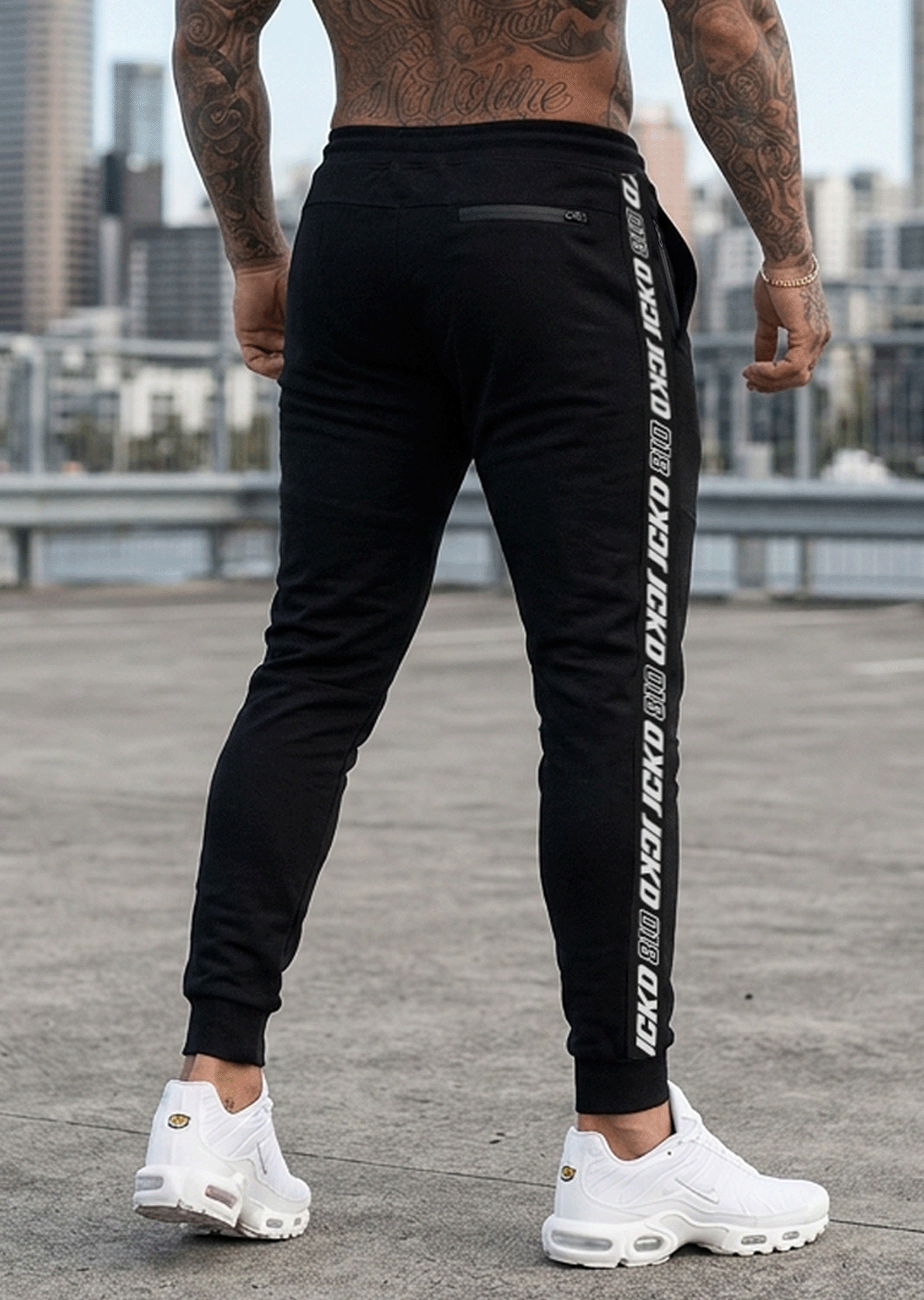
Lifters carry mass in the quads and hamstrings, and a straight-cut jogger either drowns your calves or pinches your thighs. A tapered athletic fit is the fix: room through the seat and thigh where you need it, then a clean narrow through the calf down to the cuff. It looks sharp standing still and gets out of the way when you move.
3. Details that survive real use
This is where most brands cut corners. Look for:
- Secure pockets. Deep zip pockets that actually hold a phone through a set of walking lunges. Our Core-Lock pair has a deep waterproof zip side pocket sized for a phone, plus a rear waterproof zip pocket, so nothing falls out mid-session.
- A proper waistband. Elasticated with an external drawstring and metal eyelets, so it locks in and stays put when you're moving through warm-ups.
- Ankle cuffs. Ribbed cuffs keep the leg off the floor and out of your shoes, with no dragging hems on a wet gym floor or a Wellington footpath.
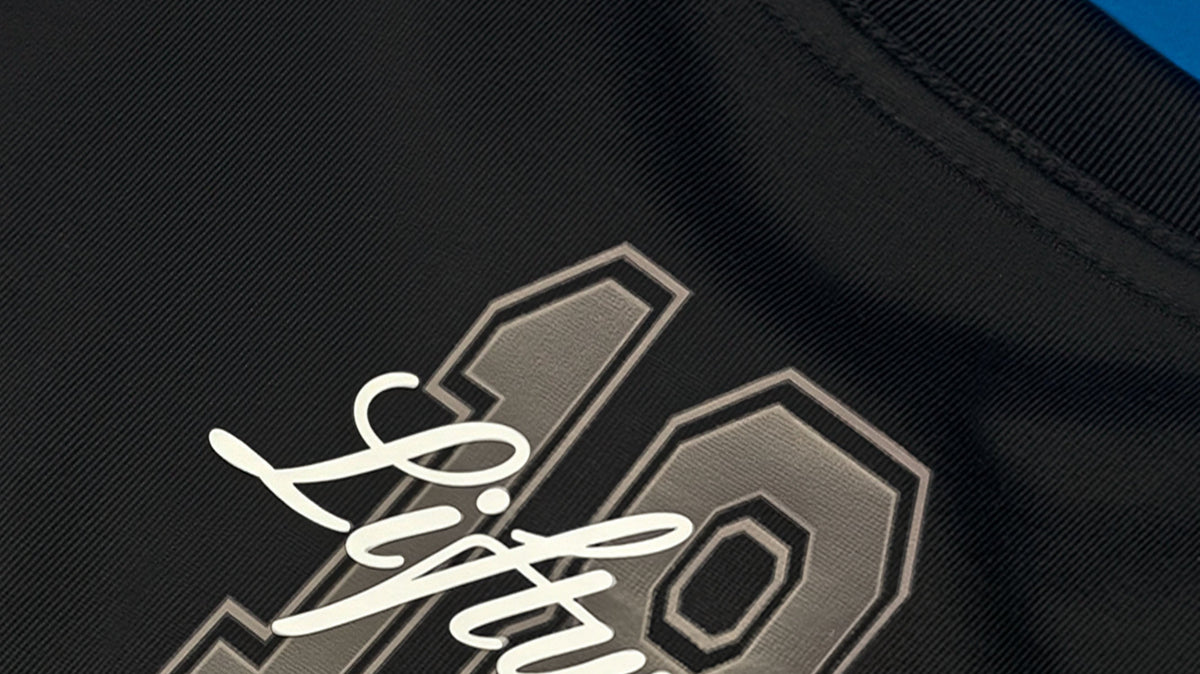
- Stitched panel construction. Sewn-on side panels and durable seams outlast printed-on branding that peels after a few washes.

Joggers vs shorts: when to reach for each
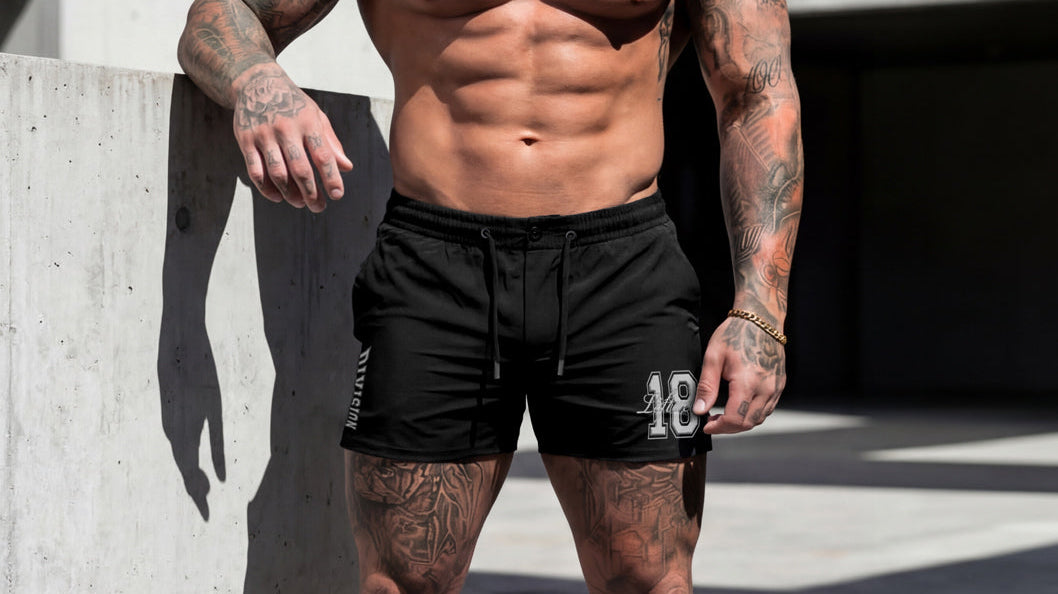
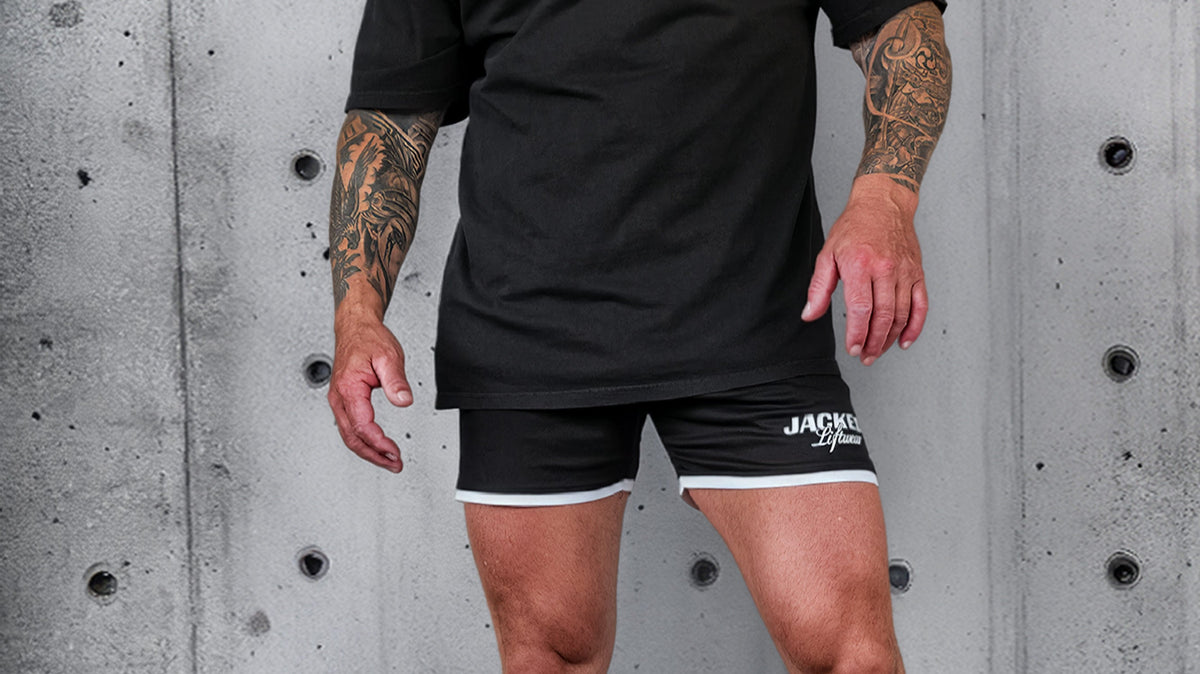
Shorts win in summer and for anything where you want full range at the knee: leg day, conditioning, hot Auckland Januarys. Joggers earn their place the rest of the year on cold-morning starts, as warm-up layers you peel off once you're moving, on travel days, and in the everyday rotation between sessions.
The honest answer is you want both. If you're sorted for warm weather already, have a look at our Relentless Flex Shorts for the summer half of the year, then let the joggers cover the cold half. For the New Zealand climate, especially anywhere south of Taupo, a good pair of joggers does more work across the year than most people expect.
Joggers for NZ winter training
Half the battle in a Kiwi winter is getting to the gym warm enough to train well. Cold muscles are injury-prone muscles, and standing around a chilly garage gym in shorts is a fast way to a tweaked lower back.
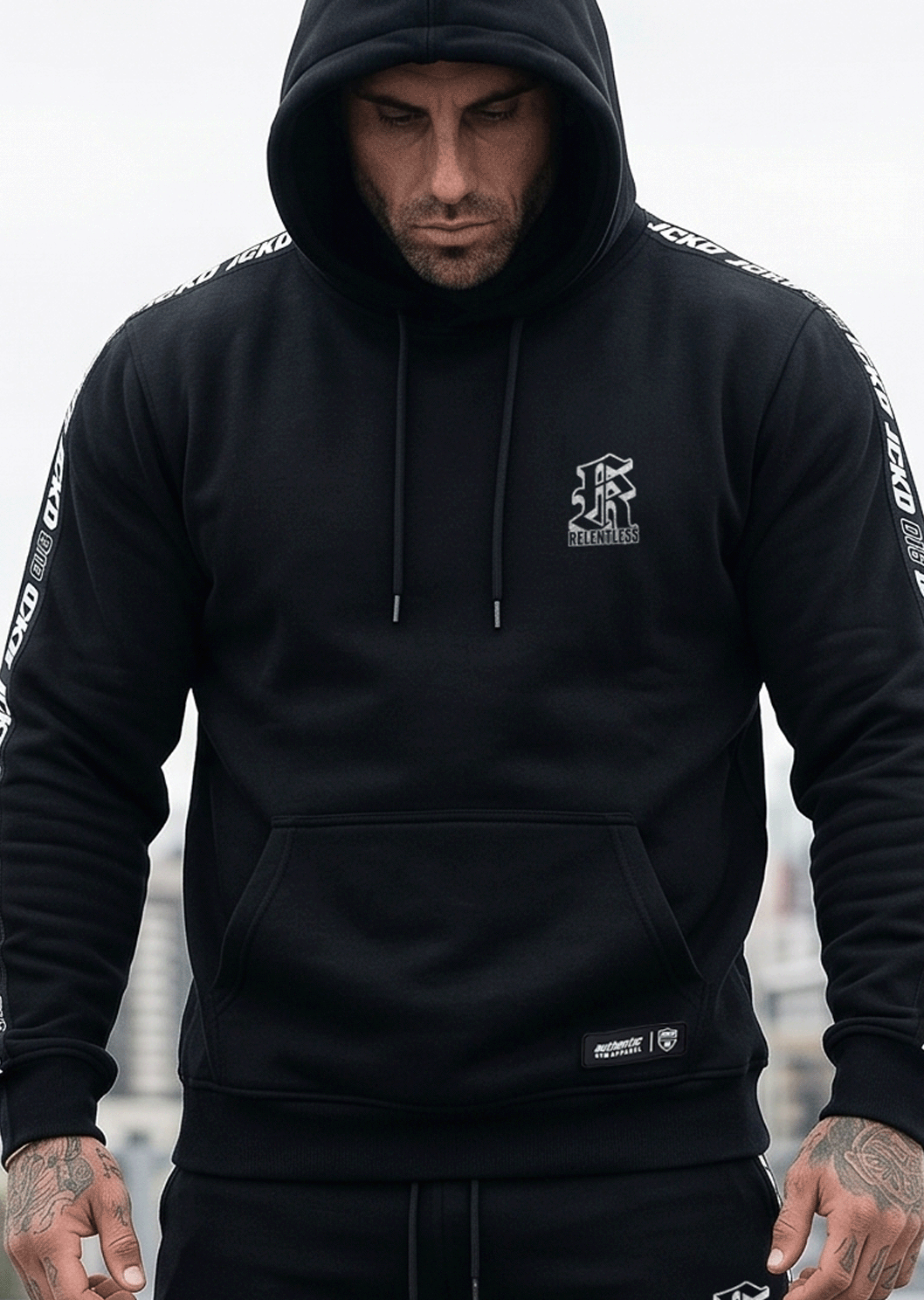
Mid-heavy joggers like the Core-Lock are built for exactly that cold-start problem: thick enough to hold heat on the drive in and through your first few sets, breathable enough that you're not swimming once the work rate climbs. Layer them under a hood and you've got a full cold-weather kit. Our guide to gym hoodies for NZ winter covers the top half; pair a hoodie from the Core Weight Hoodie range with a pair of joggers and you're set from the car park to the last rep.
How to care for gym joggers so they last
A good pair should last years, not seasons. Keep them that way:
- Wash cold and inside out to protect the branding and panels.
- Skip the fabric softener, because it coats the fibres and kills the fabric's stretch recovery over time.
- Hang dry where you can. High heat in the dryer is what shrinks cuffs and warps the tapered fit.
- Don't leave them balled up sweaty in a gym bag overnight. That's how joggers start to smell no matter how well you wash them.
Ready to sort your bottoms out? Start with the Core-Lock Joggers, or browse the full training range in The Rotation.
FAQ
Are gym joggers good for lifting, or just for warm-ups?
Both. A tapered, mid-heavy pair gives you enough movement to train through squats, deadlifts and pressing, while the warmth makes them ideal as a warm-up layer you keep on until you've broken a sweat. For maximal-range leg work in summer, shorts are still king, but joggers cover almost everything else.
What GSM should gym joggers be?
For year-round NZ training, look for a mid-heavy weight around 230 GSM. That's warm and structured without being bulky. Much lighter and they go thin and shapeless; much heavier and they're too hot once your heart rate climbs. Our Core-Lock Joggers sit at 230 GSM for exactly this reason.
Cotton or poly-blend joggers, which is better for the gym?
A blend usually wins for training. Pure cotton is soft but heavy when wet and slow to dry; pure poly can feel cheap and cling. A cotton/poly mix like the 54/46 scuba blend in the Core-Lock gives you cotton's comfort with poly's durability, stretch recovery and quicker drying.
How should gym joggers fit?
Snug and secure at the waist with the drawstring, room through the seat and thigh, then tapered clean through the calf to a ribbed ankle cuff. You should be able to squat to depth without the fabric pulling, and the hem should sit at or just above your shoe, never pooling on the floor.
RTLS Liftwear is built in New Zealand for people who train seriously. Relentless by name, relentless by standard.