



Getting singlet sizing right is the difference between a cut that frames your physique and one that either strangles your delts or hangs like a bin bag. A singlet has nowhere to hide: no sleeves, deep armholes, and a fit built to show the work you've put in. So before you add to cart, spend two minutes here. This is the RTLS guide to gym singlet sizing in NZ: how our fit actually runs, how to pick your size, and how to know when to size up or down.
How RTLS singlets are cut
Every singlet in our range is built on the same blueprint, so once you know your size, you know it across the lineup. The core facts:
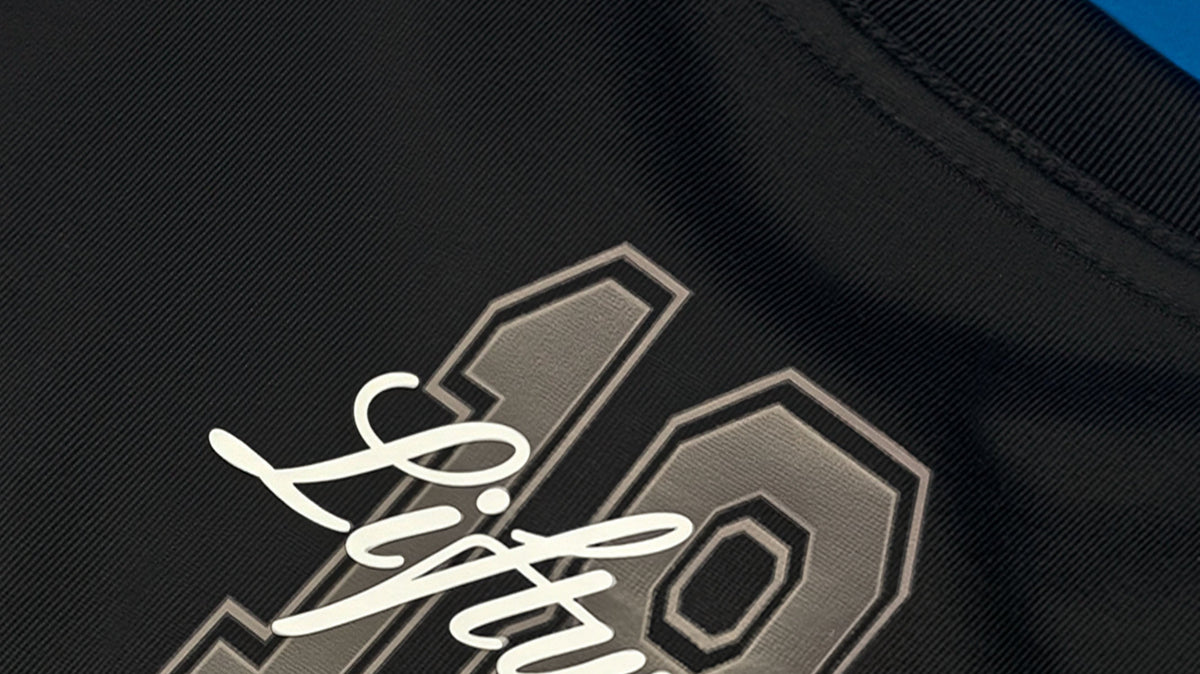
- Fabric: lightweight 150 GSM 100% combed cotton on our singlets, breathable, soft, and made to move through every set.
- Fit: our "Flexset" cut is a regular fit with a sculpted chest taper and a curved hem that drops clean over your waist. It's fitted enough to show shape without clinging.
- Pre-shrunk: the fabric is pre-shrunk, so the size you buy is the size it stays. No nasty surprise after the first wash.
- Finish: self-fabric binding at the neck and armholes, double-needle hems, the details that stop a singlet stretching out of shape.
Because everything is pre-shrunk and cut to the same taper, your normal tee size is usually your singlet size. If you're a solid medium in a RTLS tee, start at medium here.

Gym singlet size guide (NZ)
Our singlets run true to size on a regular athletic fit. Use the guide below as a starting point: it maps our sizes to typical NZ menswear. If you're between sizes or carry more width through the chest and back, size up.
| Size | Typical NZ fit | Best for |
|---|---|---|
| S | Chest ~91-96 cm | Lean and tapered builds |
| M | Chest ~96-101 cm | Most lifters, athletic build |
| L | Chest ~101-106 cm | Broader chest and back |
| XL | Chest ~106-112 cm | Bigger frames, powerlifters |
| 2XL | Chest ~112-118 cm | Maximum width and coverage |
These are general guidance ranges, not a tape-measure guarantee, because bodies aren't tables. The number that matters most is your chest measurement at its widest point, relaxed. Measure it, land yourself on the guide, and factor in the look you want.
How to measure your chest
Grab a soft tape. Wrap it around the fullest part of your chest, under the armpits and across the shoulder blades, keeping it level. Don't flex or puff up, measure relaxed. That number is your reference point for the guide above.
Fitted or loose? Choosing your look
Singlets live and die on how you want them to sit. Two lifters with the same chest can wear different sizes on purpose:
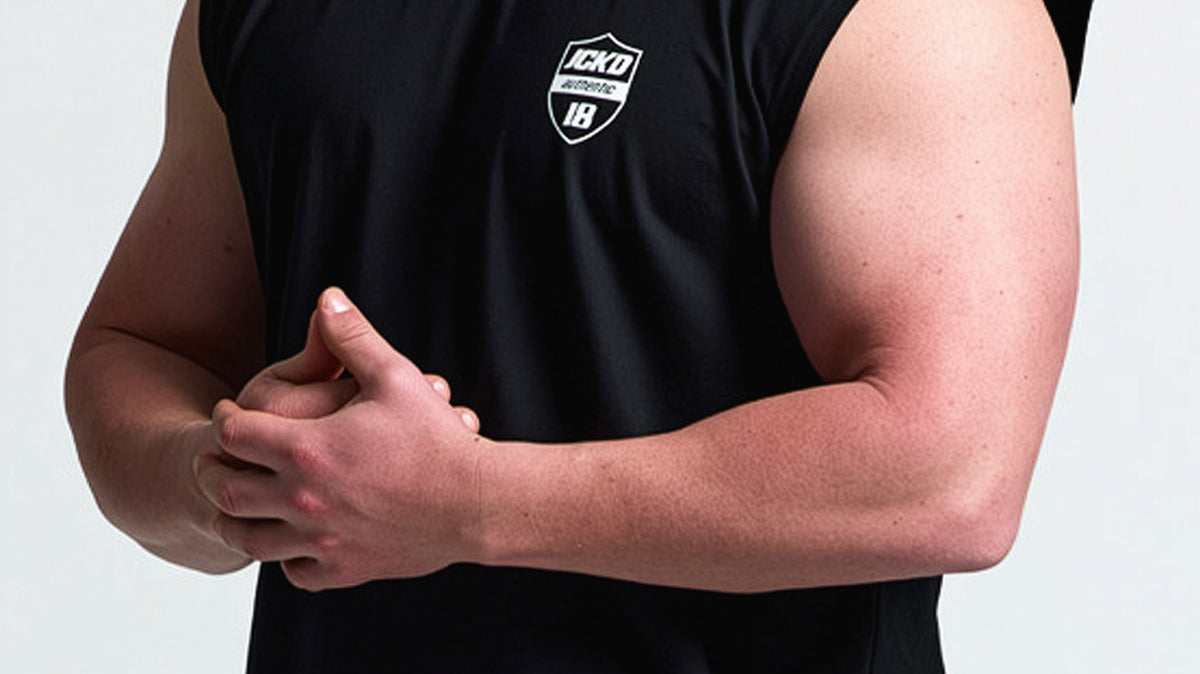
- Sculpted / competition look: stay true to size. The Flexset taper hugs the chest and shows the arms, delts and back you've built. This is how most people wear a singlet on a push or pull day.
- Relaxed / streetwear look: size up one. You get a looser drape through the body while the deep armholes still show the shoulders. Good for warm-ups, casual training, or wearing off the gym floor.
There's no wrong answer, it's your call. Just know that our default cut already leaves room to move, so most lifters don't need to size up unless they specifically want the drape.
Singlet vs tank vs stringer: sizing isn't identical
People use these words interchangeably, but the cuts fit differently, and that changes how you size. If you want the full breakdown of styles, read our gym singlets and stringers buying guide. The short version for sizing:
- Singlets (150 GSM): our lightest, most fitted sleeveless cut. True to size. The Kong 18 Singlet and DIV18 Singlet are the benchmark here.
- Tanks (220 GSM): our heavier Core Cut sleeveless, like the Vertical Shield Tank. Structured, holds its shape, sits slightly less clingy than a singlet. Same size number, more substance.
- Stringers: deeper arm cuts and thinner straps for maximum shoulder exposure. They show more skin at the same size, so if you want a bit more coverage, size up.

Heavier fabric holds structure differently to lightweight combed cotton. If you want the full explainer on why weight matters, see what GSM means in gymwear.
Between two sizes? Here's the rule
If your chest lands right on the border between two sizes, decide by goal:
- Want it fitted and sculpted, take the smaller size.
- Broad back, big lats, or you want a looser drape, take the larger size.
- Not sure and want everyday versatility, size up. It's easier to live with a touch of room than a singlet that pins your shoulders.
Because the fabric is pre-shrunk, you don't need to buy big to allow for shrinkage. What you order is what you keep.
Ready to lock in your size?
Measure your chest, match it to the guide, and pick your fit. If you want the sculpted look, stay true to size. If you want drape, go up one. The whole singlets and sleeveless collection runs on the same fit blueprint, so once you've nailed your size in one, you're set across the range.
FAQ
Do RTLS singlets run true to size?
Yes. Our singlets are a regular athletic fit and run true to size, with a sculpted chest taper. Your usual RTLS tee size is your singlet size. The fabric is pre-shrunk, so it won't shrink down after washing.
Should I size up in a gym singlet?
Only if you want the look or the fit calls for it. Size up one for a looser, streetwear drape, if you carry a lot of width through the back, or if you're between sizes and prefer room over a snug fit. For a competition-style sculpted look, stay true to size.
What's the difference in fit between a singlet, a tank and a stringer?
Singlets are our lightest and most fitted at 150 GSM. Tanks are heavier at 220 GSM and hold more structure, so they feel a touch less clingy at the same size. Stringers have deeper arm cuts and thinner straps, showing more shoulder. Size up in a stringer if you want more coverage.
Will my singlet shrink after washing?
No. Every RTLS singlet is made from pre-shrunk 100% combed cotton, so the fit stays true wash after wash. To keep it that way, wash cold and hang dry rather than putting it through a hot tumble dryer.