



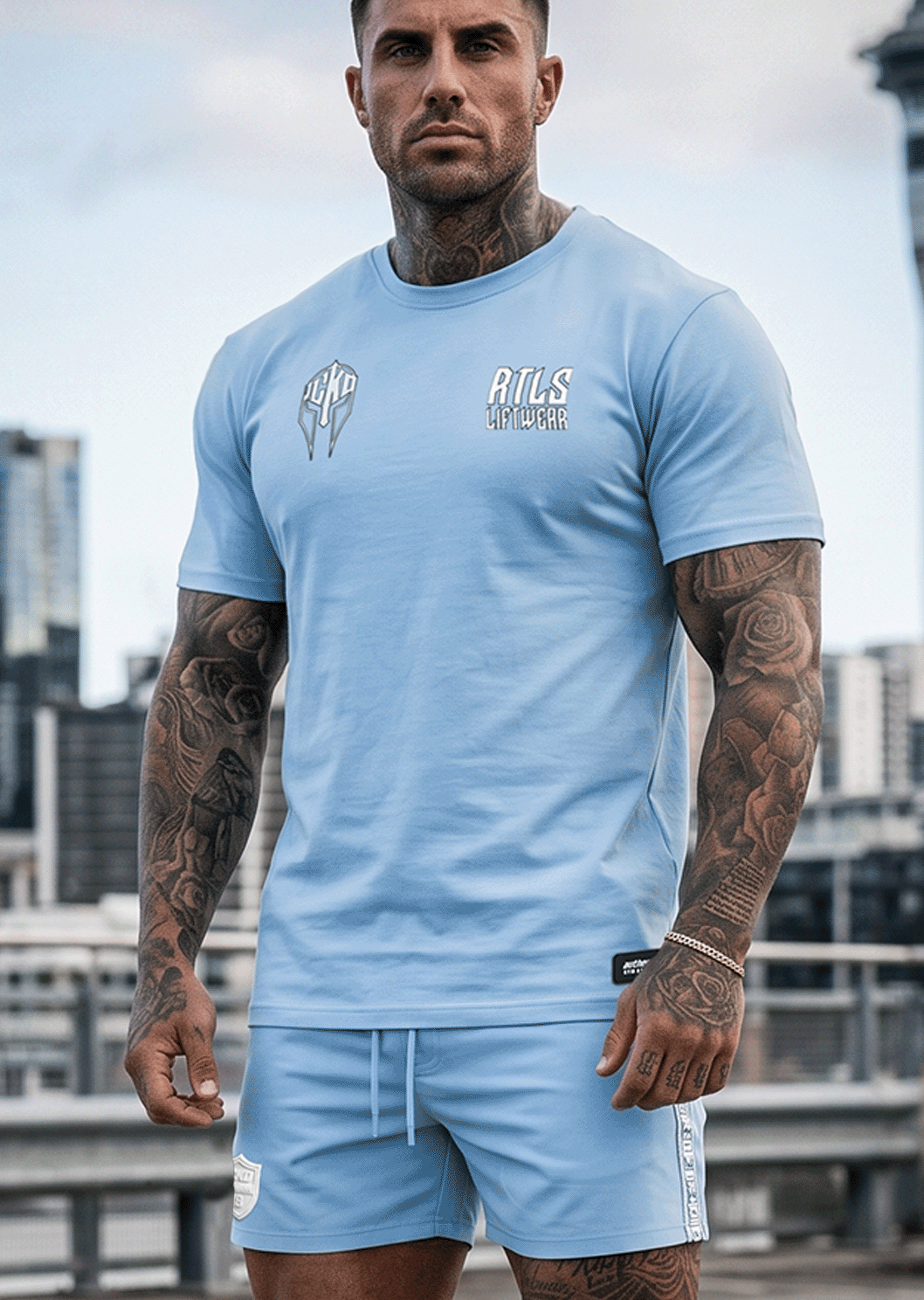
"Performance wear" is the most overused phrase in the clothing industry. Slap it on a label, add 20 dollars, done. Nobody ever says what the garment is supposed to perform at.
So let's fix that. Performance is not a fabric type and it is not a marketing word. It is a match between what a garment does and what you actually do in it. A pair of running tights is high-performance wear on a 10k and a liability under a loaded barbell. A 220 GSM cotton tee is the opposite. Same word, two completely different jobs.
Here is how to tell which is which, and how to build a training rotation where every piece is performing at something instead of just claiming to.
What performance wear clothing actually has to do
Strip the marketing away and training apparel has four jobs. Every real performance claim ladders back to one of them:
- Move heat and sweat. Keep you from cooking, and keep wet fabric from turning cold and heavy.
- Allow the range of motion. Overhead, deep squat, hinge. Fabric that fights your shoulders is a failed garment no matter what the tag says.
- Survive the load. Bars on traps, benches, floors, rack knurling, straps, chalk, three washes a week.
- Hold its shape. A garment that stretches out at the neck and hem after a month was never performance wear. It was a costume with a short run.
Notice that only the first job favours synthetic fabric. The other three are decided by construction and weight, which is exactly where most "performance" branding goes quiet.
Where synthetic genuinely wins
Below the waist, and any time the session is conditioning rather than lifting, engineered synthetics earn their place. Sweat volume is highest through the legs and lower back, the movement patterns are big and repetitive, and you want fabric that dries instead of soaking.
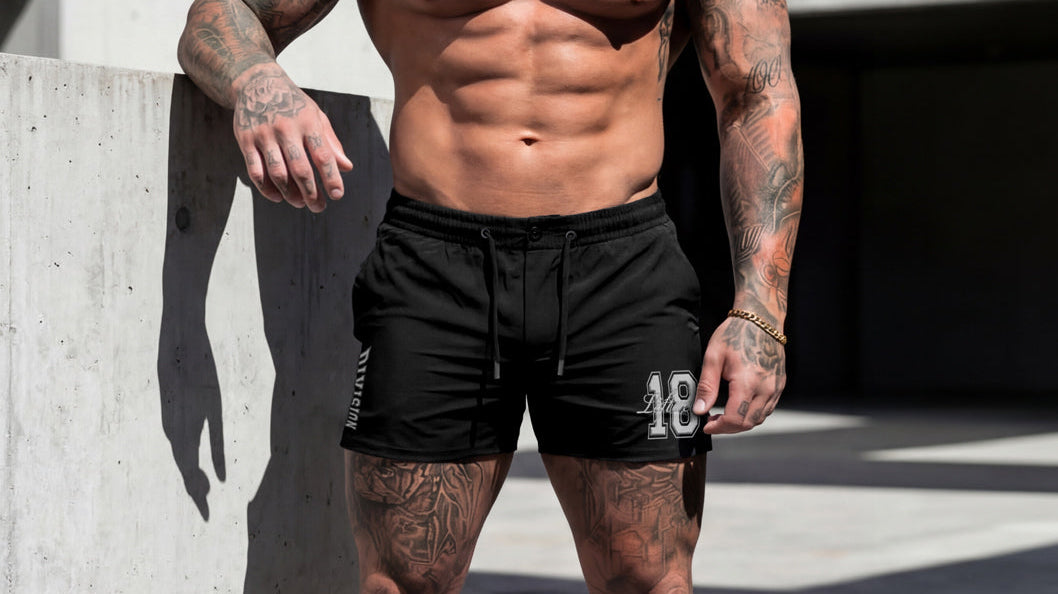
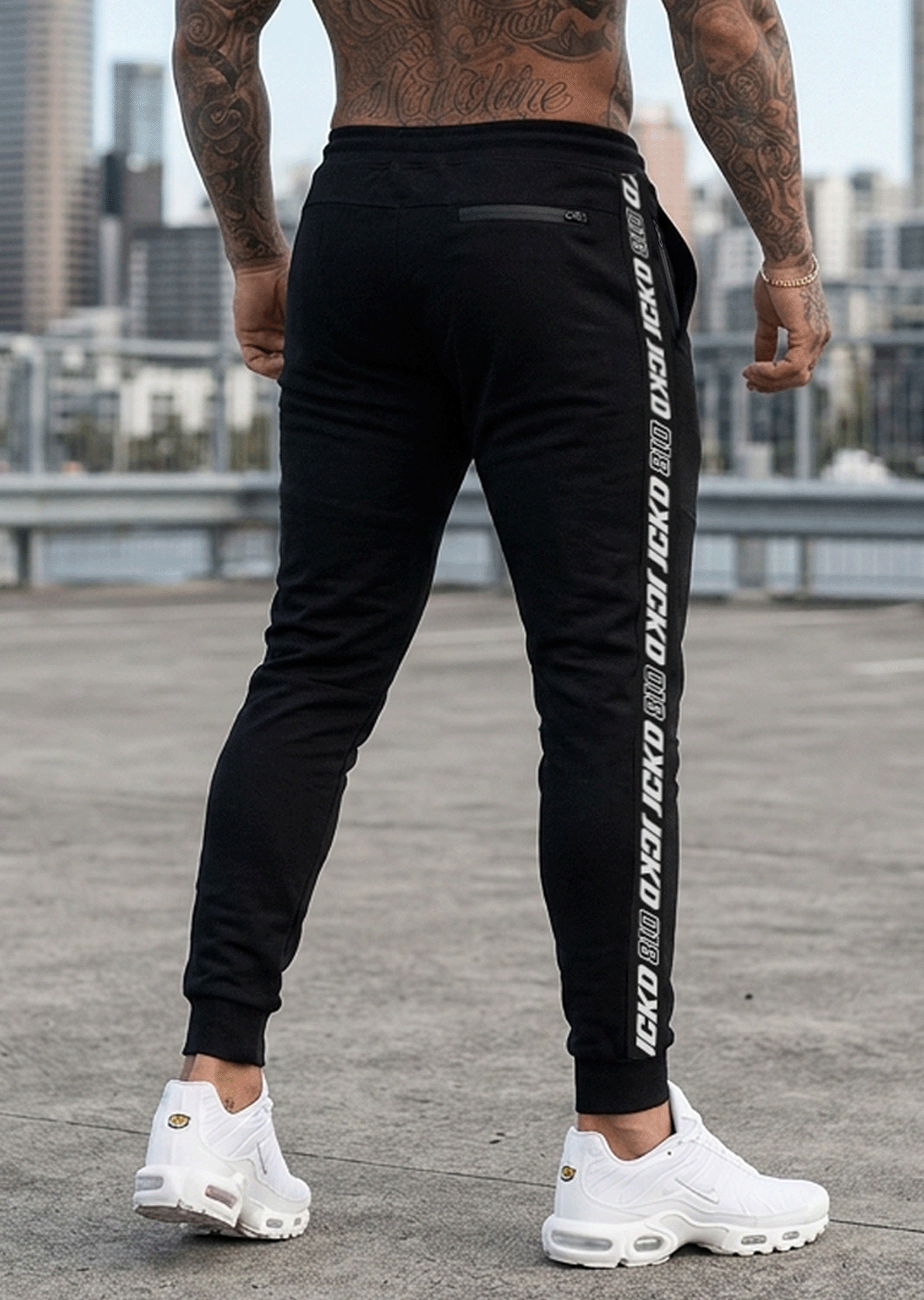
Our 1023 Squat Crue 18 Shorts are built for that exact case: a rapid-dry lightweight nylon and spandex blend with four-way stretch, a streamlined fit that cuts excess fabric without restricting the squat, an elasticated waistband with external drawstring, dual deep side pockets and a double-stitch bottom hem. That is a performance spec sheet. Every line of it is a decision about heat, movement or durability.
If you want the longer version of that argument, we broke down what separates a working pair from a fashion pair in gym shorts that actually work on leg day.
Where cotton wins, and why the industry pretends it doesn't
Synthetic dominates the marketing because it is cheaper to produce and easier to make claims about. But for lifting specifically, cotton at the right weight outperforms it on three of the four jobs.
Combed cotton has structure. It sits on the frame instead of clinging to it, so the garment reads as a garment rather than a wet outline. It handles abrasion from a bar or a bench better than thin poly. It does not hold odour the way synthetic does after a heavy week. And it does not go slick under a bar, which matters more than most people admit on back squat day.
The trade is drying time. Cotton holds water longer. That is a real limitation, not one we will talk around. Which is why the answer is not "cotton for everything", it is cotton where the session is strength work and synthetic where the session is sweat work.
Weight is the real performance spec
If you only learn one number, learn GSM. Grams per square metre is the honest measure of what a garment will do, and it is the spec most brands leave off the page.
Our range is deliberately built across three weights because three different jobs exist:
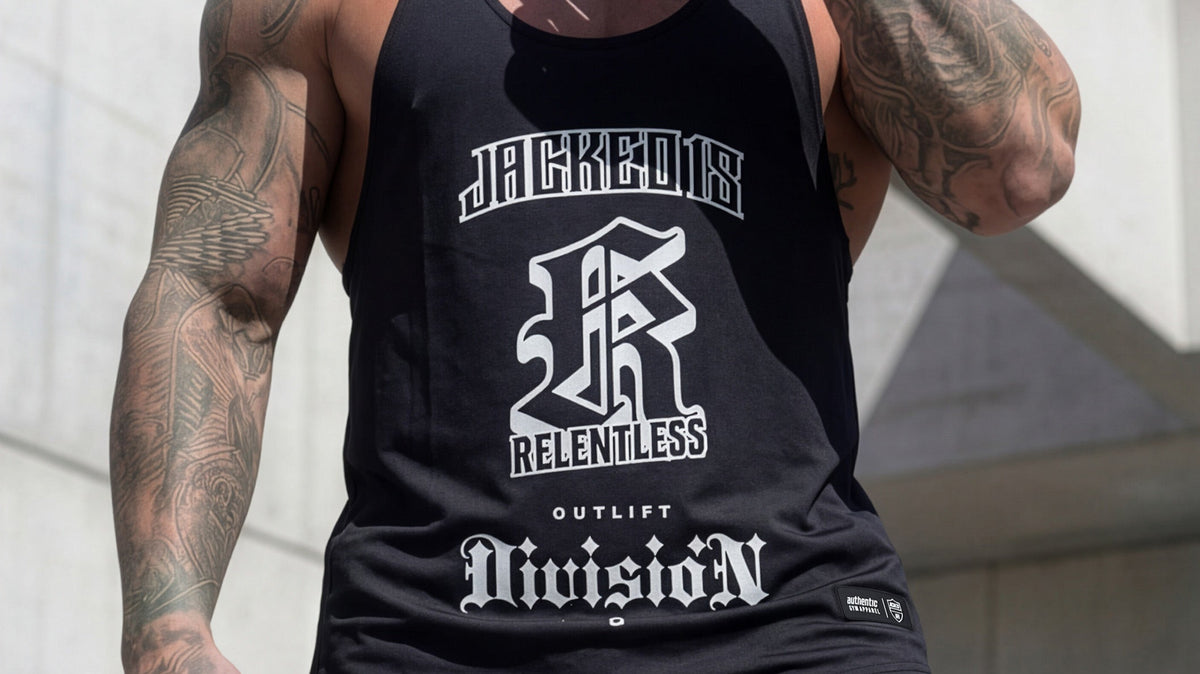
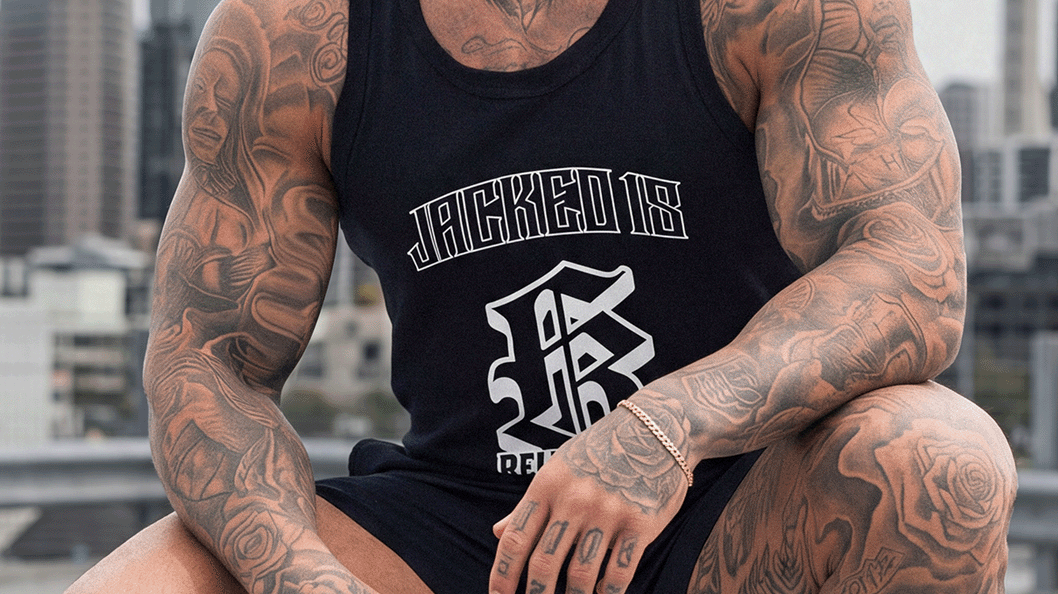
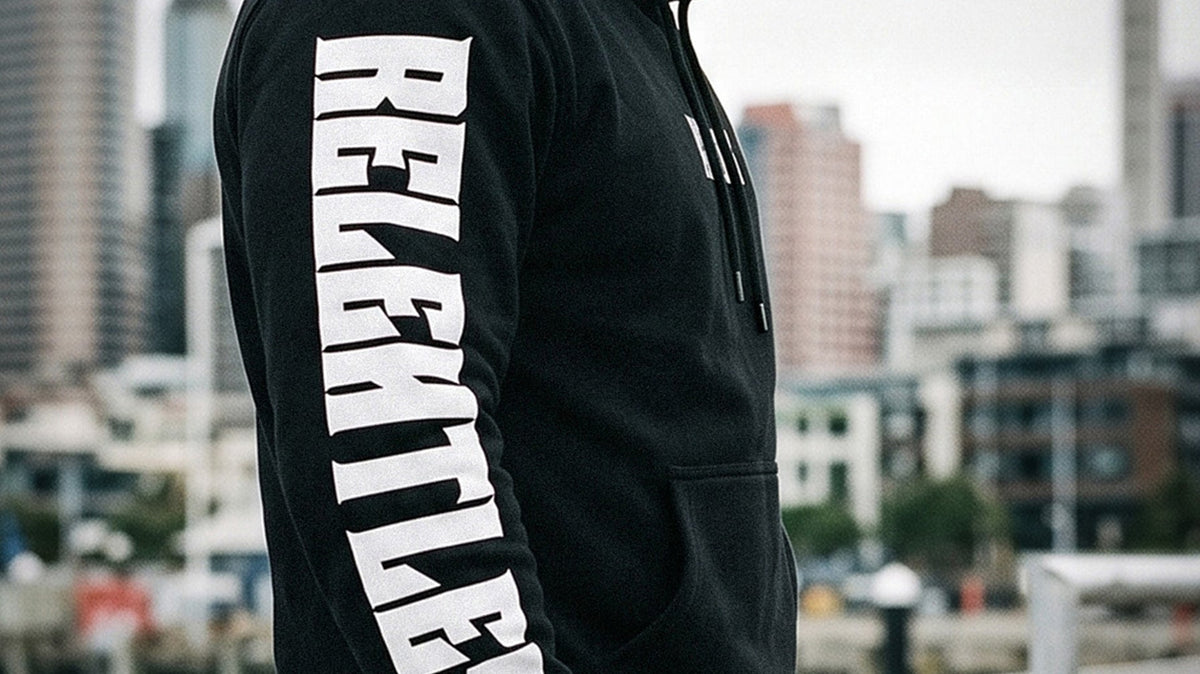
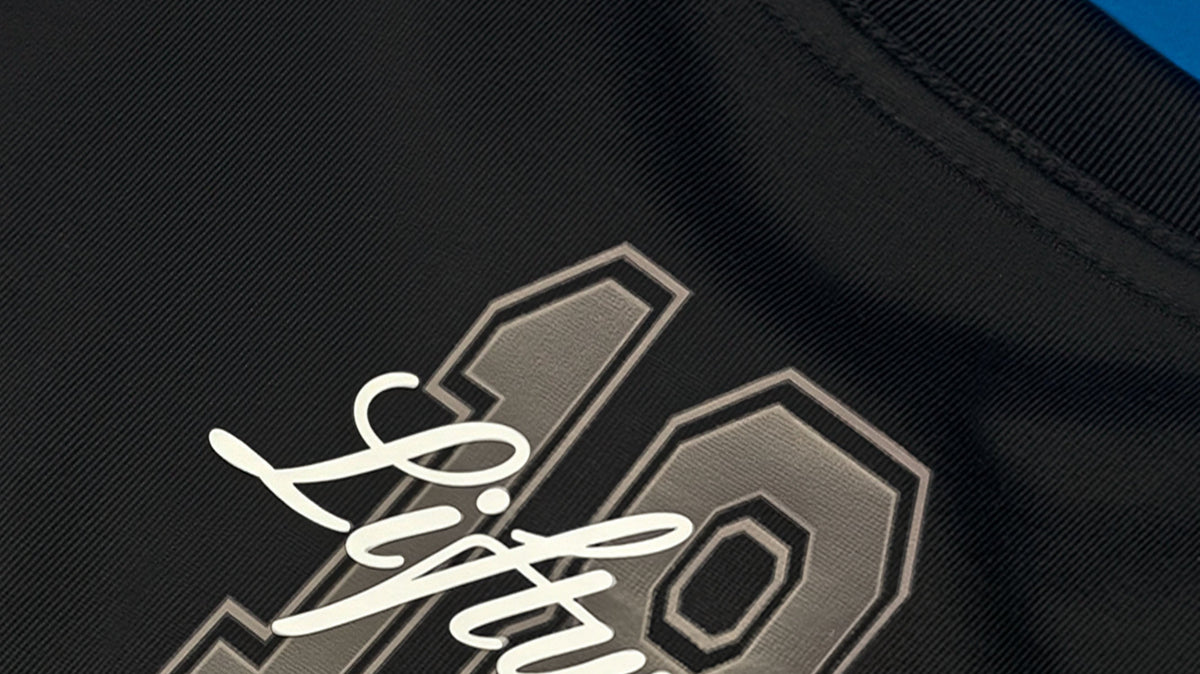
- 150 GSM. The 1018 Relentless Singlet runs 150 GSM, 34-singles 100% combed cotton, lightweight and breathable with a tapered chest and curved hem. This is the hot-session, high-output piece: maximum airflow, minimum fabric between you and the work.
- 180 GSM. The 3018 Crowned Lifter Tee sits at 180 GSM, 28-singles combed cotton, with side seams, shoulder-to-shoulder tape and twin-needle stitching. Structured but not heavy. The everyday training weight.
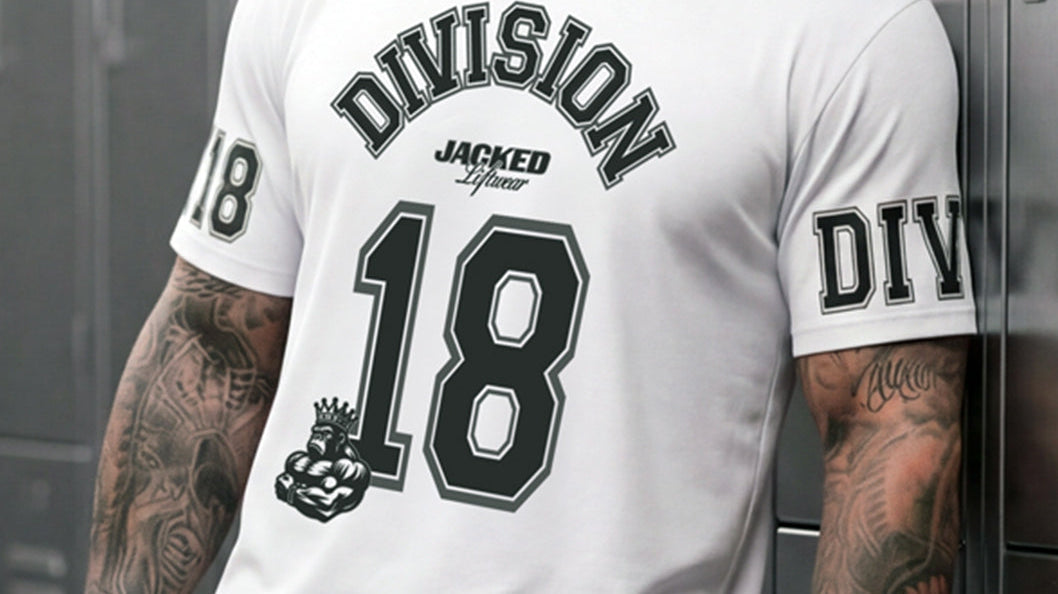
- 220 GSM. The 4018 The Ark Oversize Tee is 220 GSM, 22-singles combed cotton with dropped shoulders, a boxy cut, shoulder tape and a ribbed neck. Heavier, more presence, holds its shape through hard use.
All three are pre-shrunk, so the fit you buy is the fit you keep. Classic-cut tees across our range sit in the 180 to 220 GSM band depending on the shirt, and we print the number on every product page rather than making you guess. The full explanation of what those numbers mean in practice is in what GSM means in gymwear.
How to build a rotation that actually performs
Stop shopping by category and start shopping by session. A rotation that works looks like this:
- Heavy lifting days: 180 to 220 GSM cotton on top. Structure, abrasion resistance, shape retention.
- High-sweat or conditioning days: a 150 GSM singlet, or synthetic shorts doing the heat work below the waist.
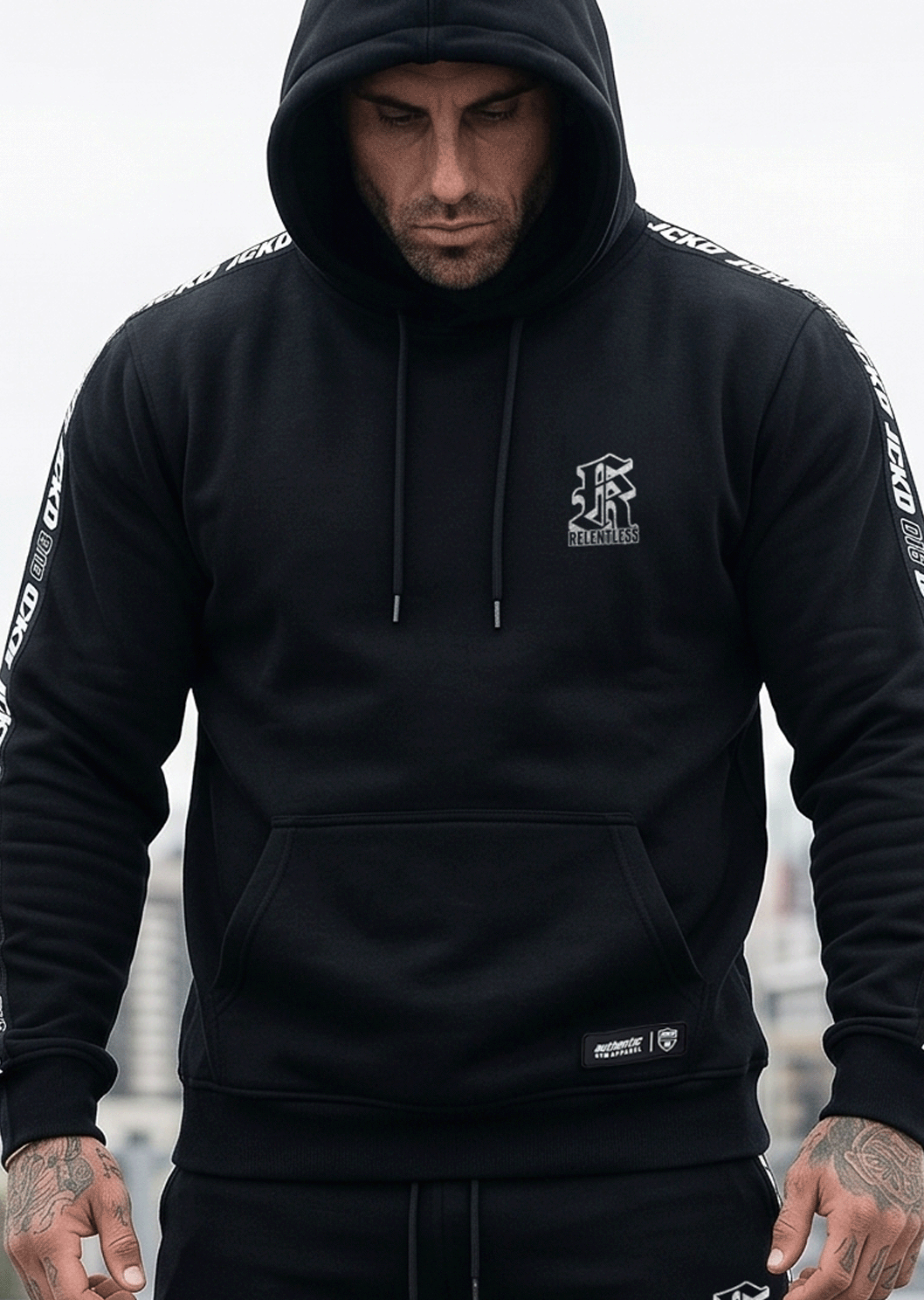
- Cold starts and travel: a layer that goes on over the top and comes off two sets in.
- Everything else: the pieces that survive the walk from the gym to the rest of your day without looking like gym kit.
Three or four pieces covering those cases beat a drawer full of garments that all half-work. You can see how we group ours in The Rotation.
FAQ
Is performance wear the same as activewear?
Not quite. Activewear is a category, performance wear is a claim about function. Plenty of activewear performs at nothing beyond looking the part. Judge the spec sheet, not the label. We pulled that apart properly in what you are actually paying for in premium activewear.
Is cotton bad for the gym?
No. Cotton is bad for long-duration cardio, where drying time matters most. For lifting, combed cotton at 150 to 220 GSM gives you structure, durability and odour resistance that thin synthetic cannot match.
What GSM should I look for in a training tee?
180 GSM is the reliable everyday weight. Go to 220 GSM if you want an oversized cut with real presence and shape retention. Drop to 150 GSM in a singlet when heat is the limiting factor.
Does moisture-wicking fabric actually work?
Yes, within limits. A rapid-dry nylon and spandex blend genuinely moves sweat faster than cotton, which is why we use it in shorts. It does not make a garment durable, well-cut or long-lasting on its own. Those come from construction.
The short version
Performance wear is not a fabric and it is not a price bracket. It is a garment doing a specific job well, with the spec printed where you can check it. Ask what the piece is built to perform at, then ask whether that is what you actually do in the gym. If the brand cannot answer either question, the word on the label is decoration.
Every number we quote is on the product page. Go and check them.