



"Premium activewear" is the most overworked phrase in gym clothing. Every brand claims it. Almost none of them tell you what it means. You get a black tee, a logo, a $90 price tag and a paragraph about the journey.
Premium is not a feeling. It is a set of specifications you can read off a product page in under a minute, and once you know what to look for, you can price a garment before you ever touch it. Here is what actually separates premium athletic wear from expensive basics, and what you are paying for that has nothing to do with the clothing.
What premium actually means on a spec sheet
1. Fabric weight, stated in GSM
GSM (grams per square metre) is the first number a serious brand publishes and the first one a cheap brand hides. It tells you how much fabric is actually there. A promotional tee sits around 140 to 160 GSM: thin, translucent under gym lights, saggy at the neck inside a month. Premium training tops start closer to 180 and climb from there.
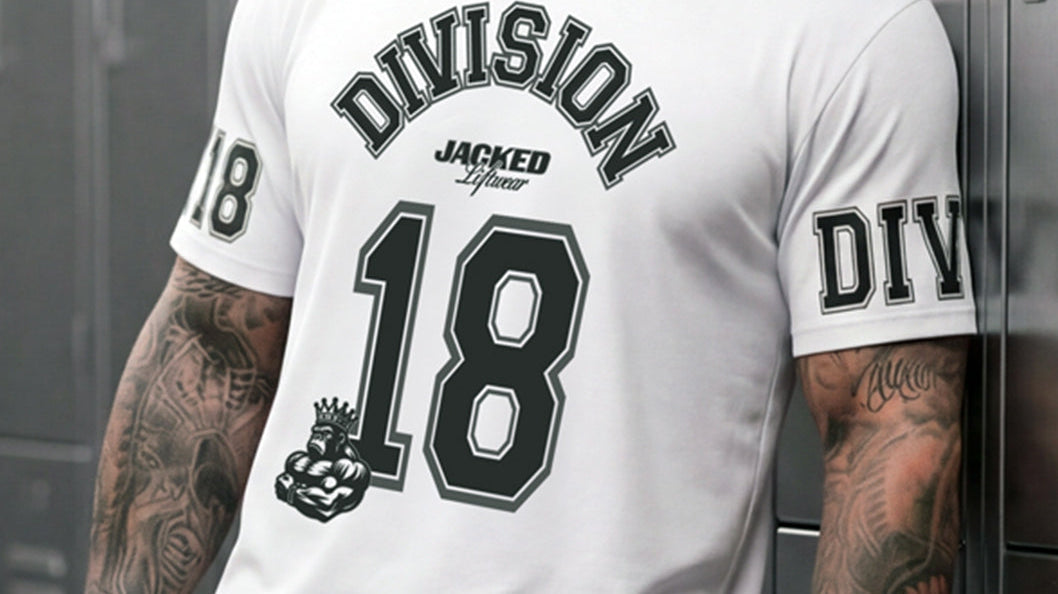
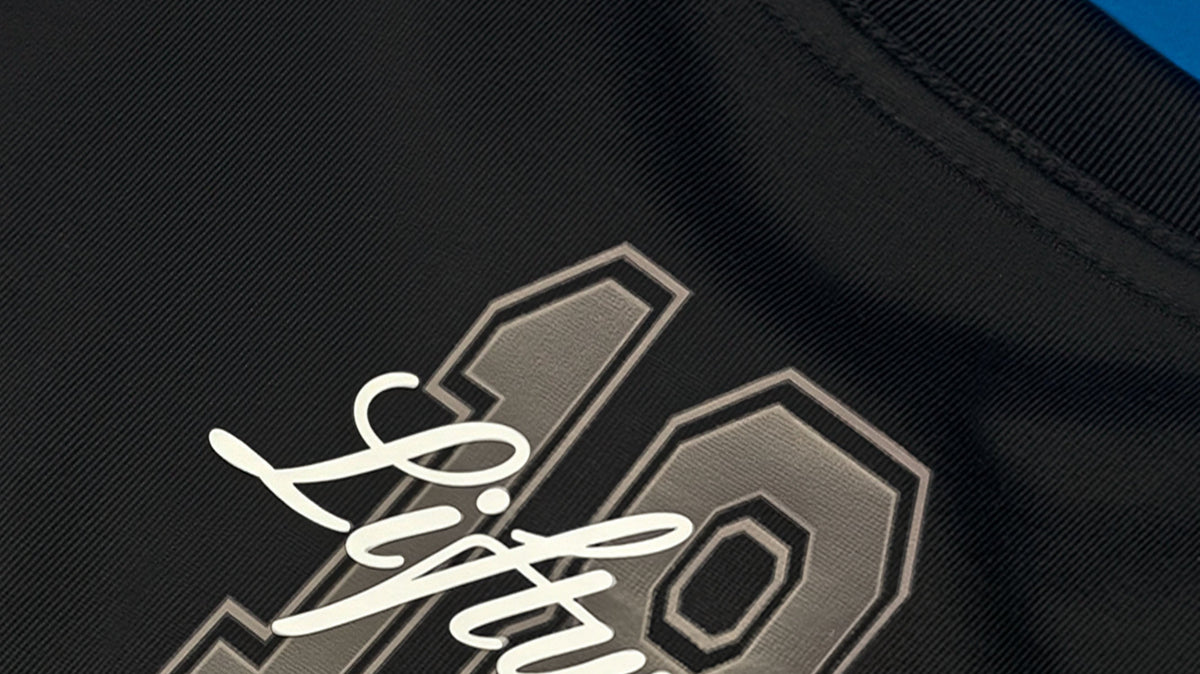
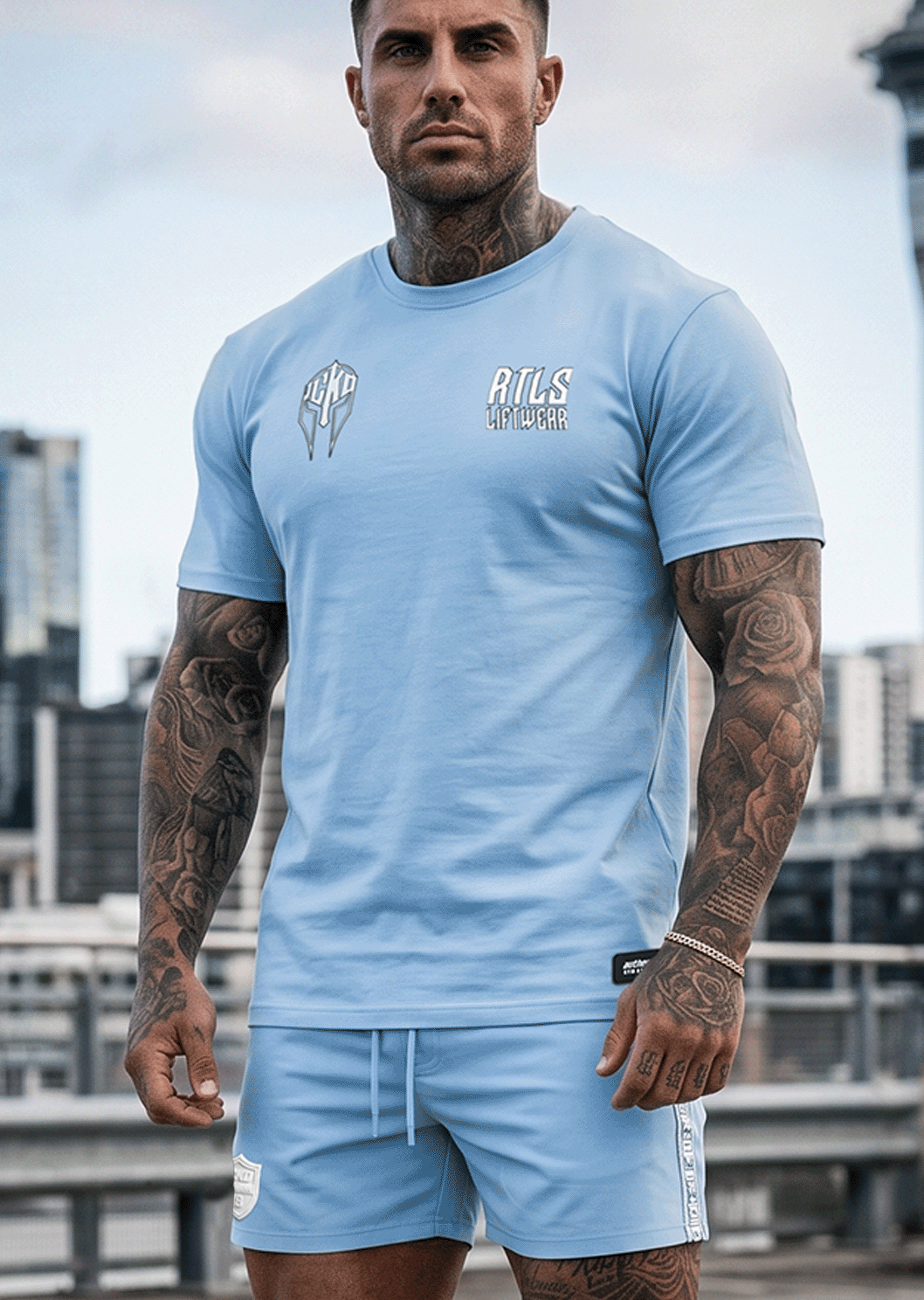
Our classic-cut tees run 180 to 220 GSM depending on the shirt, and the oversized 4018 line sits at 220. The Ark Oversize Tee is 220 GSM combed cotton, which is why it hangs off the shoulder instead of clinging to it. If a brand will not state a GSM figure, assume the number is not flattering. We wrote a full breakdown of this in what GSM means in gymwear.
2. The yarn, not just the weight
Weight alone can be faked with a coarse, heavy, scratchy fabric. The yarn is the tell. Combed cotton has had the short fibres and impurities combed out before spinning, which is why it feels smooth instead of fuzzy and why it pills far less over a year of washing.
Then there is the singles count: the fineness of the yarn. Lower singles means a thicker, more rugged yarn; higher singles means finer and softer. The Ark is a 220 GSM 22-singles combed cotton, built for structure. A lighter classic tee at 180 GSM runs a finer 28-singles yarn for a softer hand at less weight. Two different jobs, both stated openly. That transparency is itself a premium signal.

3. Construction you can see from the photos
This is where cheap garments die, and it is all visible before you buy:
- Shoulder-to-shoulder tape: a strip of fabric across the inside of the shoulder seam. It stops the shoulders stretching out and the neckline going wavy. Cheap tees skip it because it costs a step.
- Twin-needle stitching: two parallel rows on hems and cuffs instead of one. Roughly double the resistance to unravelling at the exact points that take the most stress.
- Side seams: a tubular tee (no side seams) is cheaper to make and twists on the body after a few washes. Side-seamed garments hold their shape.
- Ribbed neck and side neck ribbing: the difference between a collar that snaps back and one that becomes a rope.
Every one of those is on the Ark spec. None of them is exotic. They are just steps a factory can quietly delete to hit a price.
4. Hardware and finishing on the bottoms and layers
On tees, construction is the whole story. On joggers and hoodies, hardware joins it. Metal drawcord eyelets instead of punched holes. Capped drawstring ends that do not fray into a tassel. Zips that are actually waterproof-backed if the brand claims they are. Lined hoods instead of a single layer of fleece.
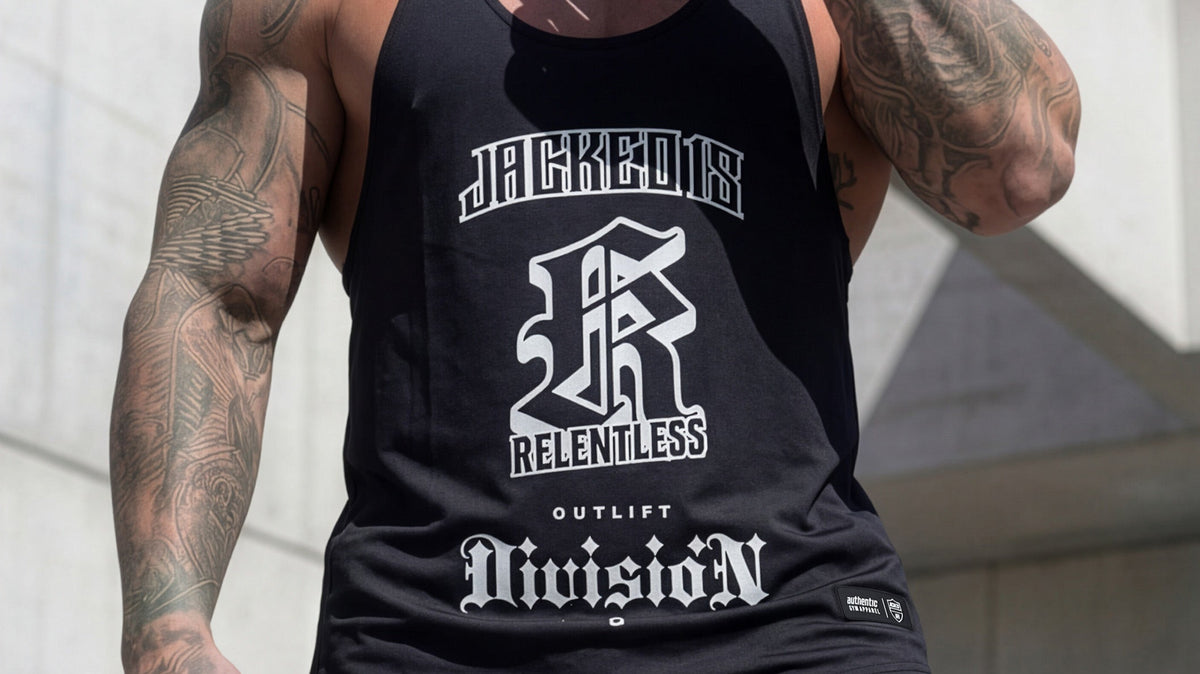
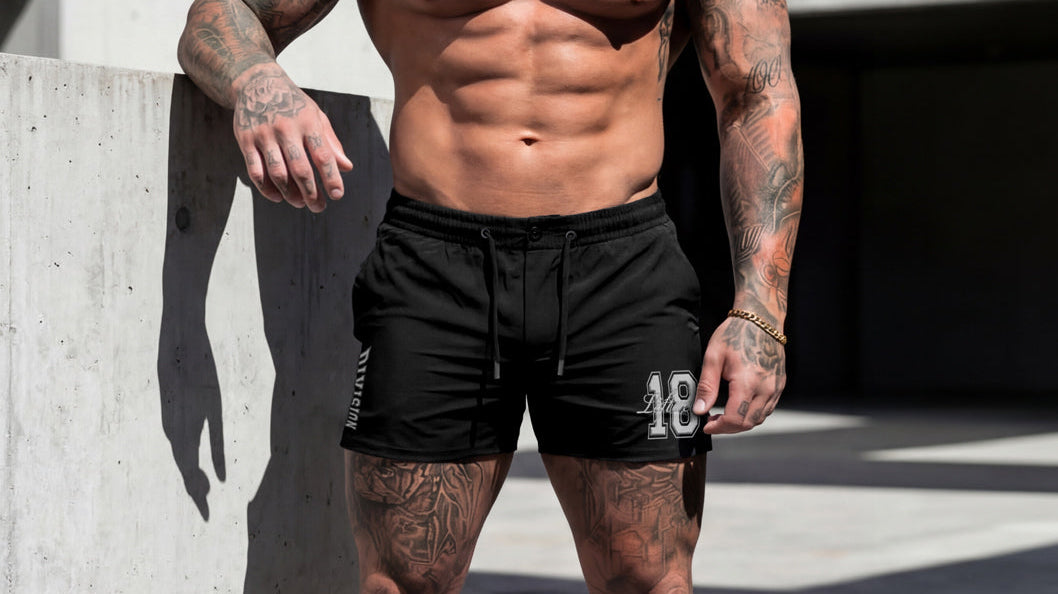
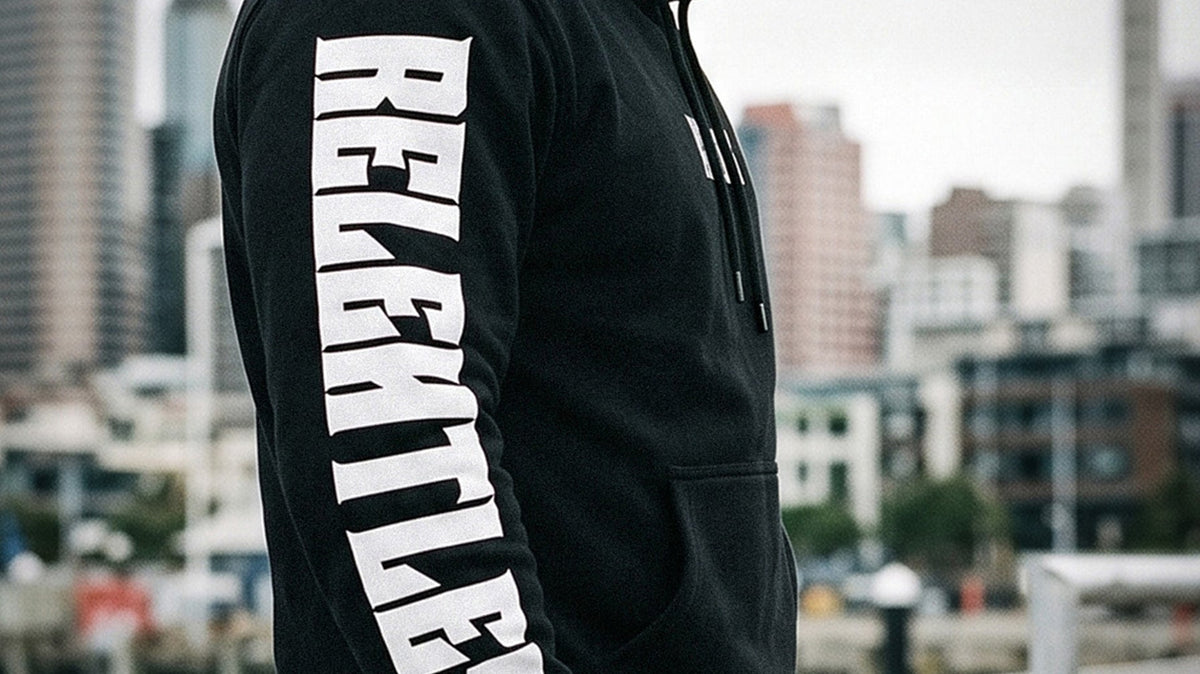
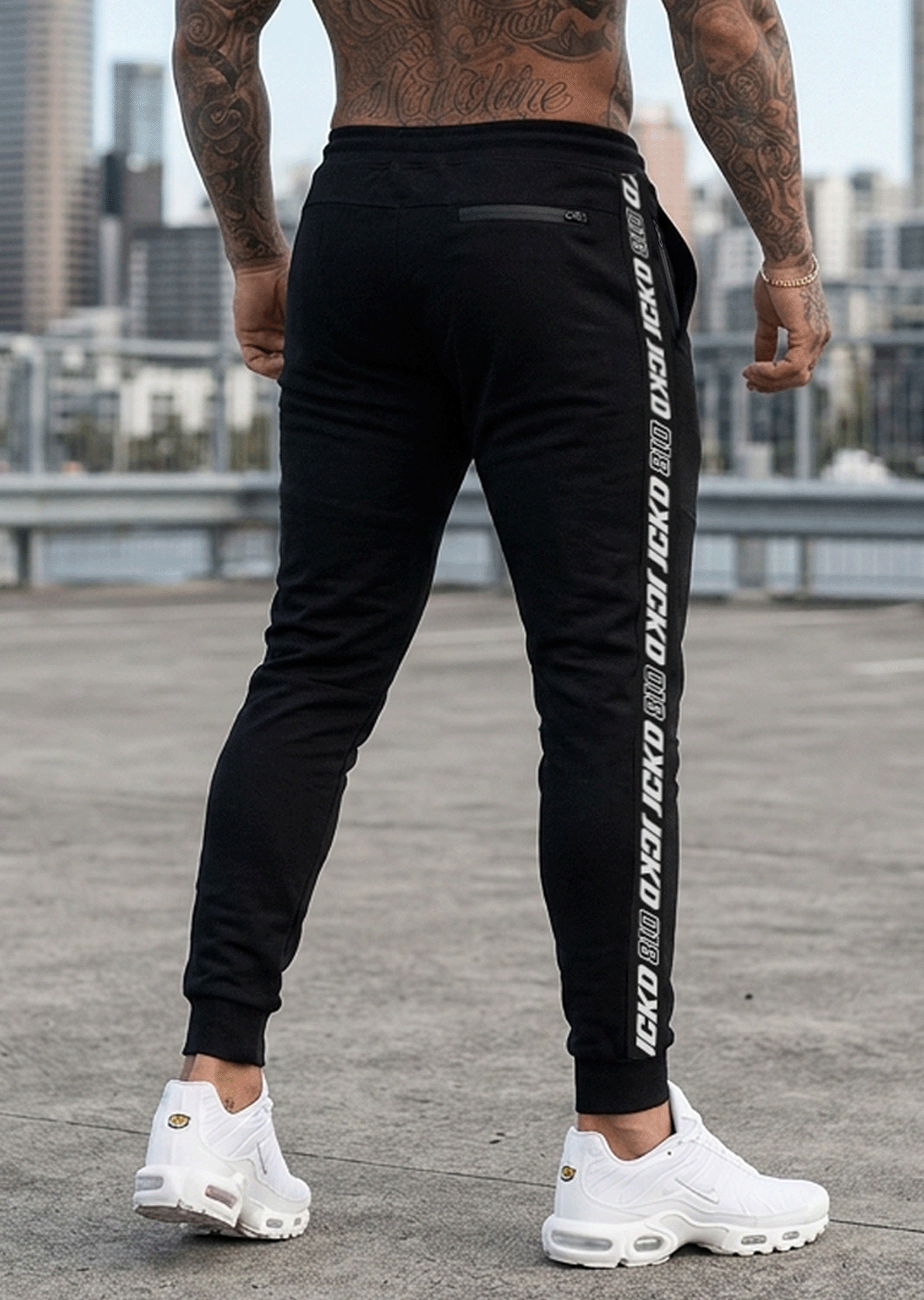
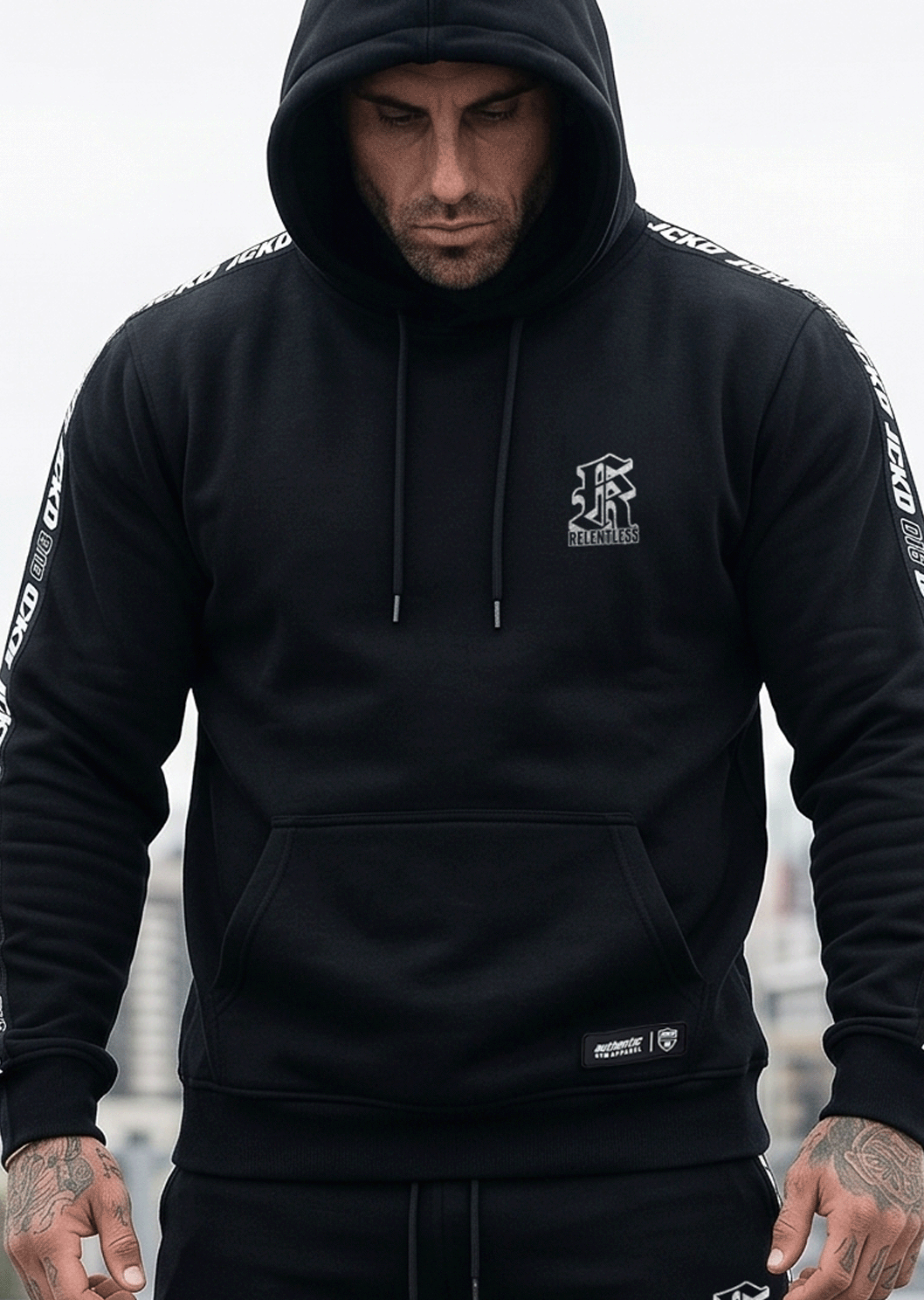
The Core-Lock Joggers run 230 GSM in a 54/46 poly-cotton scuba blend, with metal eyelets, capped drawstring ends, a deep waterproof zip side pocket built to hold a phone through a session, and a second waterproof zip at the rear. The Relentless Hoodie is 230 GSM anti-pill CVC fleece with a lined pullover hood, ribbed cuffs and hem, and twin-needle stitching throughout. Anti-pill is not marketing garnish. It is the difference between a hoodie that looks new at month twelve and one that looks like a tennis ball.

5. Pre-shrunk, or you bought a size you will never wear
A garment that is not pre-shrunk can lose a meaningful amount of length on the first hot wash. The premium version of that problem is simple: shrink the fabric before cutting it. Every piece in our range is pre-shrunk, which is the only reason a size guide can be trusted at all.
What you are not paying for
Plenty of the price gap between a $40 tee and a $110 one has nothing to do with the garment. Be honest about the three big ones:
- The logo tax. Brand recognition is real value to some people. It is not fabric. Decide consciously how much of it you are buying.
- Athlete and influencer budgets. Someone is funding those contracts, and it is the person at the checkout.
- Fashion-cycle markup. A colourway that exists for six weeks costs more to produce and is worth less to own. Core colours you will wear for three years are the better spend every time.
None of that makes a big brand a bad buy. It just means the price tag is a poor proxy for quality, which is exactly why the spec sheet matters.
The cost-per-wear test
The only number that settles the premium argument is cost per wear: price divided by the number of times you will realistically wear it before it is retired.
A 150 GSM tee at $35 that goes thin and misshapen after eight months of gym use, worn twice a week, gives you roughly 70 wears. That is about 50 cents a wear. A 220 GSM combed-cotton tee at $65 that still holds its shape at three years, worn at the same rate, gives you over 300 wears, closer to 20 cents. The expensive shirt is less than half the price of the cheap one.
That maths only works if you actually look after the kit, which is a separate skill. Our gym clothing care guide covers the five rules that decide whether a heavyweight tee lasts one year or five.
A 30-second premium checklist
Before you buy anything, look for these on the product page:
- GSM stated, and above 180 for a training top
- Fibre named, and combed if it is cotton
- Shoulder-to-shoulder tape and side seams on tees
- Twin-needle stitching on hems and cuffs
- Pre-shrunk stated explicitly
- Real hardware on bottoms: metal eyelets, capped cords, functional zips
Four or more, and you are looking at genuine premium activewear. Fewer than three, and you are paying for a logo. Browse the 4018 oversized range or the full Rotation and hold every piece to that list, ours included.
Frequently asked questions
What makes activewear "premium"?
Stated fabric weight (GSM), a named fibre such as combed cotton, and construction details that resist wear: shoulder-to-shoulder tape, twin-needle stitching, side seams, ribbed necks, and pre-shrunk fabric. On joggers and hoodies, add real hardware like metal eyelets and lined hoods. Price alone tells you nothing.
Is premium gym clothing actually worth the money?
On cost per wear, usually yes. A heavyweight combed-cotton tee that survives three years of training costs less per wear than a thin tee replaced every eight months, even at nearly double the sticker price. It stops being worth it when the premium is purely brand markup rather than specification.
Is cotton or synthetic better for premium training wear?
Different jobs. Heavyweight combed cotton wins on structure, feel, durability and wearing straight off the gym floor, which is what most lifting sessions and everyday rotation demand. Synthetic blends move sweat faster and suit long conditioning and running work. Our joggers use a 54/46 poly-cotton blend for exactly that reason: warmth and structure with movement.
How much should I pay for a good gym t-shirt in NZ?
For a genuinely heavyweight combed-cotton tee with proper construction, expect roughly $50 to $70. Under $35 almost always means a lighter, uncombed fabric with construction shortcuts. Well over $100 usually means you are funding a marketing budget rather than better cotton.
Premium is a spec sheet, not an adjective. Learn to read one and you will never overpay for a plain black tee again. Start with the classic rep tees, or read our breakdown of how to build a gym wardrobe that lasts.