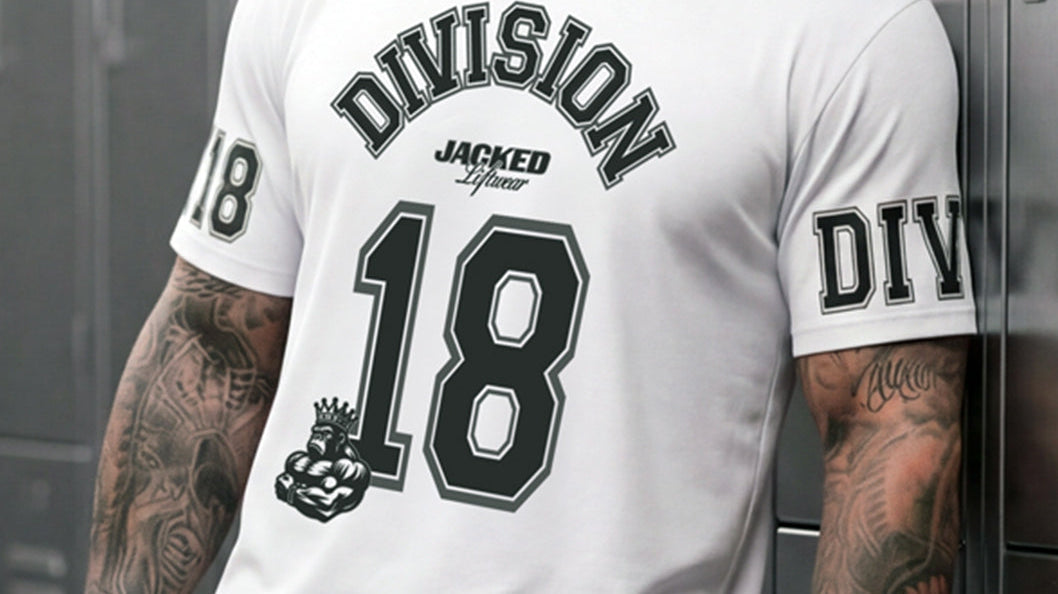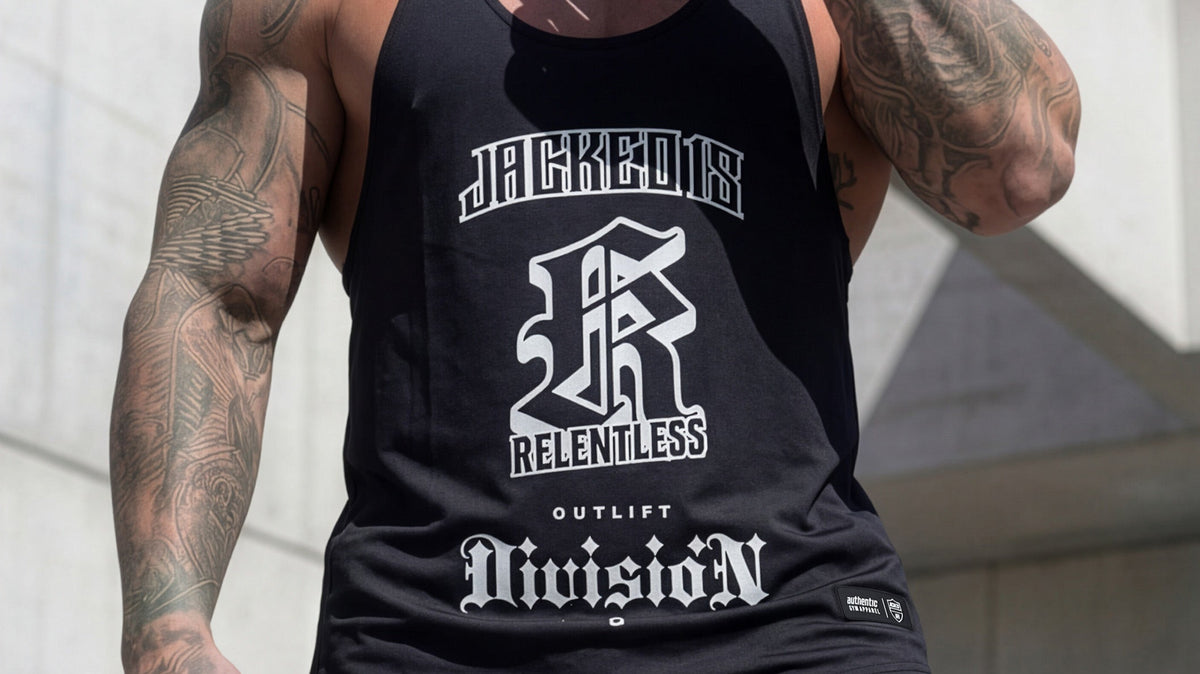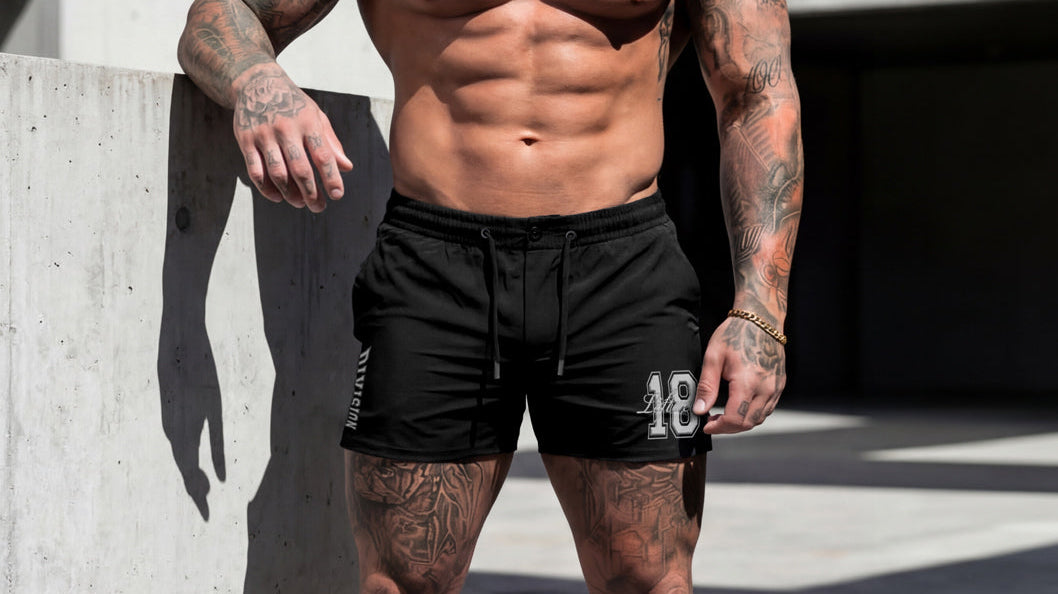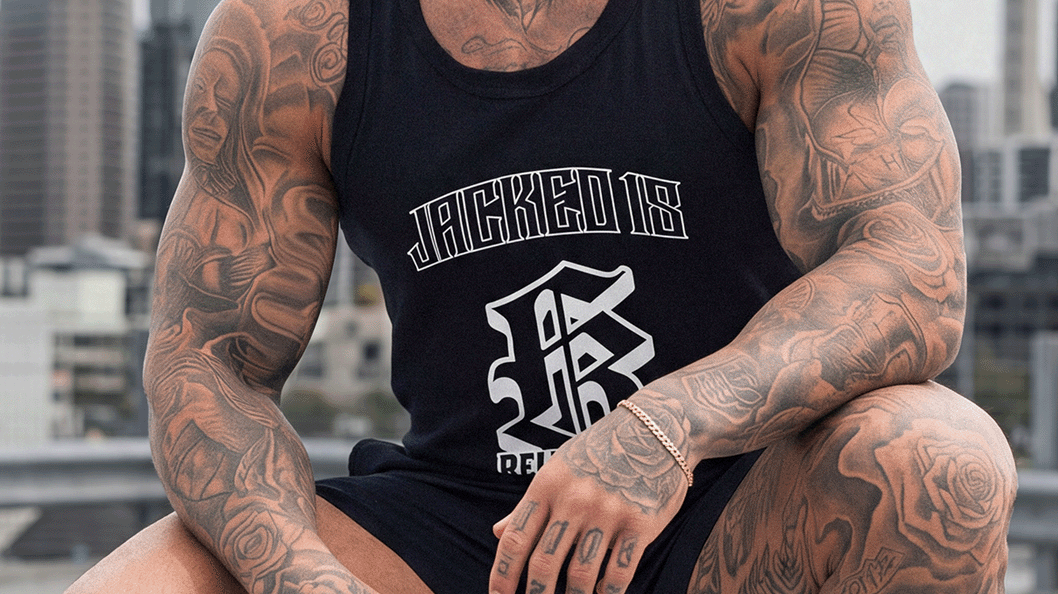




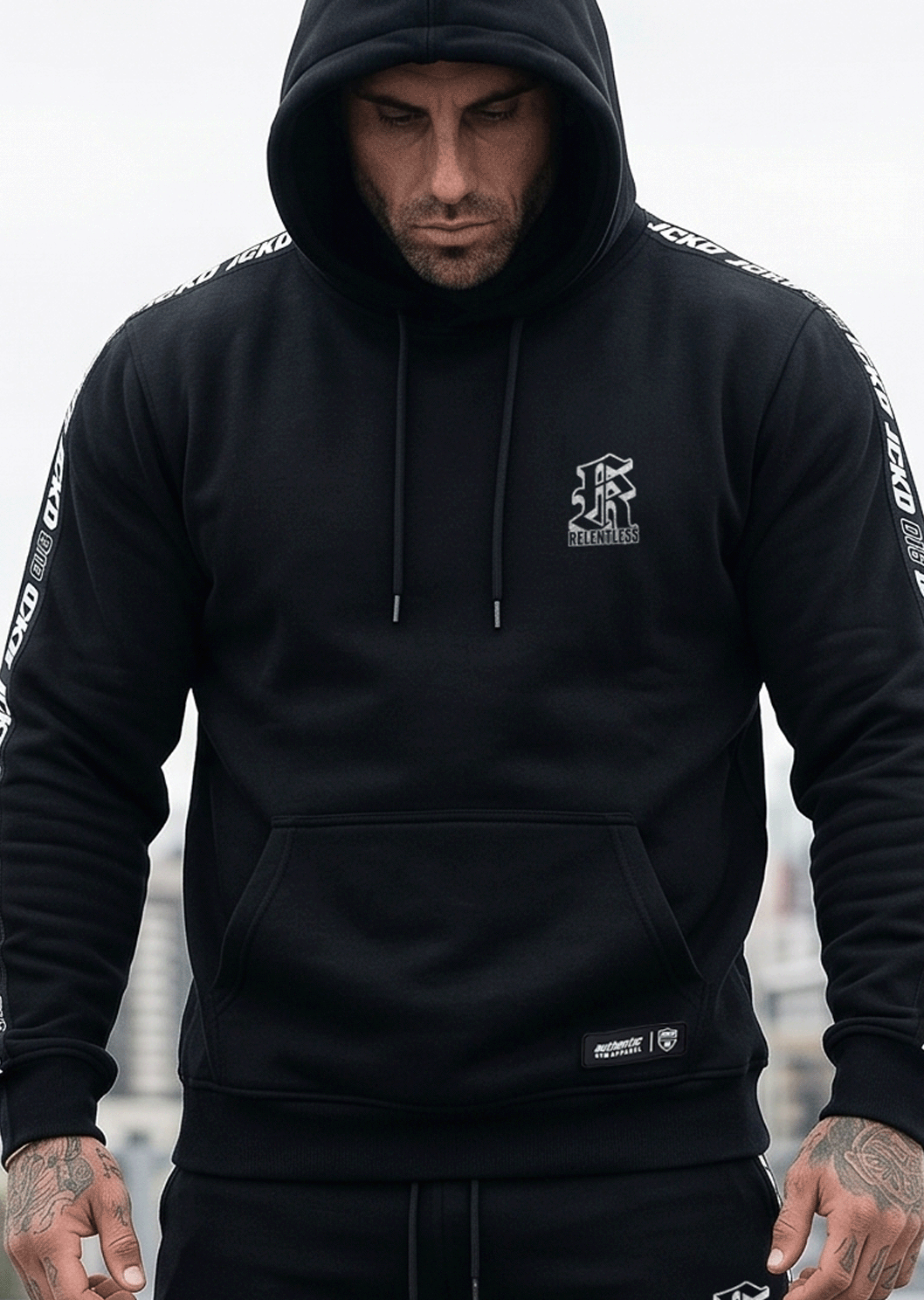
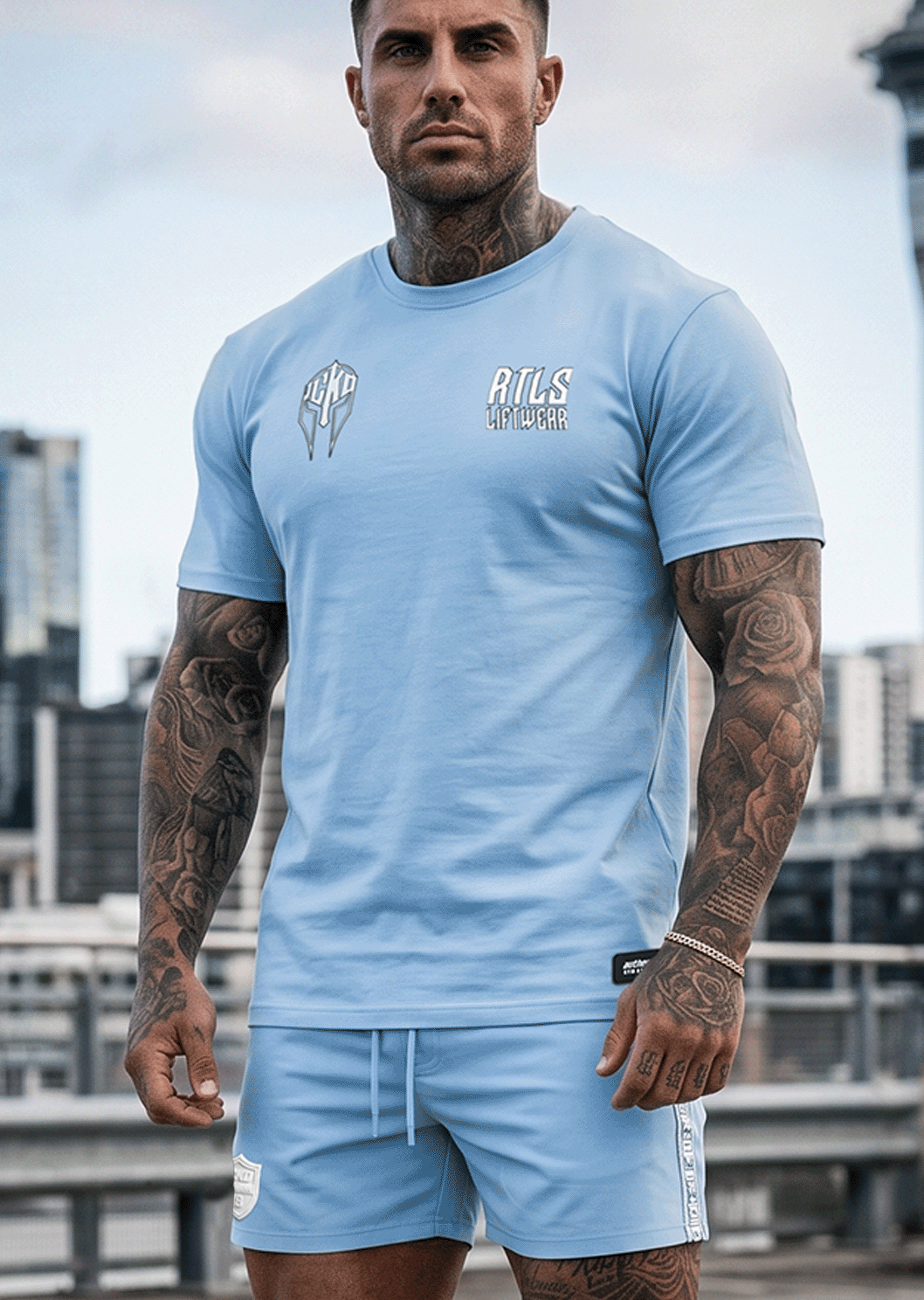
There are more workout clothing brands than there have ever been, and from the outside they are almost indistinguishable. Black tee, bold logo, a photo of someone mid-set, a paragraph about the grind. Every one of them says premium. Most of them are printing on the same blanks.
We are a gym clothing brand ourselves, so treat this with the scepticism it deserves. But the test below is one you can run on us just as easily as on anyone else, and that is the point. It takes about five minutes on a product page, and it works whether the brand is a global giant or someone selling out of a garage.
The five-minute brand test
1. Do they publish the fabric weight?
This is the fastest tell there is. A brand that is confident in its fabric prints the GSM on the product page. A brand that is not calls it "premium heavyweight cotton" and moves on.
Grams per square metre tells you how much fabric is actually in the garment. Under 160 is promotional-tee territory. 180 and up is a real training top. Vague adjectives are what fill the space where a number should be. If you want the full breakdown, we wrote one in what GSM means in gymwear.
2. Do they name the yarn, not just the fabric?
"100% cotton" is the floor, not a boast. What you want to see is combed cotton, and ideally a singles count. Combing strips the short fibres out before spinning, which is the single biggest factor in whether a tee pills after a season. The singles number tells you how fine the yarn is: lower is thicker and more rugged, higher is finer and softer.
A brand that lists "220 GSM, 22-singles combed cotton" has read its own spec sheet. A brand that lists "premium cotton blend" is hoping you will not ask which blend.

3. Is the construction listed at all?
Fabric is half the garment. The other half is how it is put together, and it is where cheap product quietly fails:
- Shoulder-to-shoulder tape stops the neckline going wavy after a few months.
- Twin-needle stitching on hems and cuffs roughly doubles the resistance to unravelling.
- Side seams. A tubular tee with no side seams is cheaper to make and twists on the body after a few washes.
- Pre-shrunk fabric. Without it, your size is one hot wash from being someone else's size.
None of these are exotic. They are all steps a factory can delete to hit a price, and a brand that includes them will tell you, because it paid for them.
4. Does the sizing hold across the range?
This is the one almost nobody checks, and it is the one that generates returns. A brand running one consistent fit blueprint means that once you know your size in a tee, you know it in a singlet and a hoodie too. A brand assembling its range from whatever blanks were cheapest that quarter will have you medium in one piece and large in the next.
Look for a size guide that covers the whole range rather than per-product tables that contradict each other, and for language like "your usual tee size is your singlet size". Our own singlet sizing guide exists precisely because sleeveless cuts are where this falls apart most often.
5. Where does it actually ship from, and what happens if you send it back?
A brand can be headquartered anywhere and warehouse somewhere else entirely. For anyone buying in New Zealand or Australia this is the difference between a three-day delivery and a three-week one, and between a simple return and posting a parcel across an ocean at your own cost.
Check the shipping page before the product page. It is more informative about how a brand will treat you than any amount of copy about the grind.
The red flags
- No specs anywhere. Not on the product page, not in an FAQ, not in a size guide. If the numbers are absent, that is the answer.
- Mockup photography. Flat digital renders of a logo on a template rather than photographs of a real garment on a real person.
- Constant total-store discounts. A permanent 50% off means the price was never the price, and the margin is coming out of the product somewhere.
- Reviews with no substance. A wall of five-star ratings with no text about fit or wash performance tells you nothing.
- Fifty colourways, one silhouette. Range width is easy. Range depth costs money.

Running the test on us
Fair is fair, so here is how we score on our own checklist. We publish GSM on every product page: 180 to 220 GSM across the classic tees depending on the shirt, 220 GSM on the oversized range, 150 GSM on singlets, 230 GSM on the Core-Lock Joggers. We name the yarn and the singles count. We list shoulder taping, twin-needle stitching, side seams and pre-shrinking. We run one fit blueprint across the range, and we ship from New Zealand.
Where we are weaker: our drops are small and popular sizes sell through, and we do not carry the range width a global brand does. That is the trade you make buying from a small label, and you should know it going in.
So which brands are worth your money?
The test above will tell you more than any list will, because it works on brands that did not exist when the list was written. But if you want the shortlist, we put our honest assessment of the field, competitors included, in the best gym clothing brands in NZ and Australia.
Frequently asked questions
How do I know if a workout clothing brand is good quality?
Check whether they publish fabric weight in GSM, name the fibre as combed cotton or similar, and list construction details like shoulder taping and twin-needle stitching. Brands that publish all three have paid for them. Brands that publish none are relying on adjectives.
Are expensive workout clothing brands actually better?
Sometimes. Price reflects fabric and construction on some brands, and marketing budget on others, and you cannot tell which from the number alone. Run the spec test: if the specifications justify the price, it is a fair price. If the only difference is the logo, it is not.
Is it better to buy from a local brand or a global one?
Global brands win on range width, size availability and constant new stock. Local brands win on shipping time, returns that do not cross an ocean, and sizing advice from someone who actually made the garment. Decide which of those you care about most.
What fabric weight should I look for in workout clothes?
For a training top, 180 GSM as a working minimum and 220 GSM and up for heavyweight or oversized cuts. Fleece hoodies sit far higher, typically 300 GSM and above. Below roughly 160 GSM a tee starts going translucent and losing shape quickly.
Judge the spec sheet, not the caption. Once you know what to look for, the gap between the brands that mean it and the brands that do not stops being subtle. Start with The Rotation and hold every piece in it to the same five questions.