



Most people build a gym wardrobe by accident. A tee here, a pair of shorts there, a hoodie bought in a cold snap, and six months later you're washing the same two shirts every 48 hours and wondering why they've gone thin and grey at the shoulders.
Fitness apparel isn't a single purchase. It's a rotation. Get the rotation right and everything else gets easier: your kit lasts longer, laundry stops dictating your training week, and you stop paying twice for gear that died early. Here's how to build one properly.
What counts as fitness apparel (and what doesn't)
Fitness apparel is anything built to be trained in, with cut, weight and construction chosen for movement and repeated washing rather than just for looks. That's the line. An old cotton tee from a music festival isn't fitness apparel; it has no structure, no reinforced seams, and it will stretch out of shape by week three.
The distinction matters because it changes what you're paying for. Good gym kit is judged on fabric weight, seam construction, and whether the fit still works when you're mid-set with your arms overhead. Everything in this guide is measured against those three things.
The rotation maths
Here's the part nobody explains. If you train four times a week and own three tees, each tee gets worn roughly 70 times a year and washed 70 times. Own six, and that halves: each garment does half the work and lasts closer to twice as long.
That's why buying one more tee is often cheaper than replacing your existing three early. Cost-per-wear is the only pricing metric worth tracking in gymwear.
A working rotation for someone training three to five times a week looks like this:
- 4 to 6 tops: a mix of tees, oversized cuts and sleeveless
- 3 to 4 bottoms: shorts and joggers, split by season
- 1 to 2 layers: a hoodie or heavier top for cold starts and the walk home
That's it. Around ten pieces covers a full training week with a buffer, which means you're never training in something still damp from yesterday.
Layer one: the tops
Your tops do the most work and take the most abuse, so this is where the rotation should be deepest.
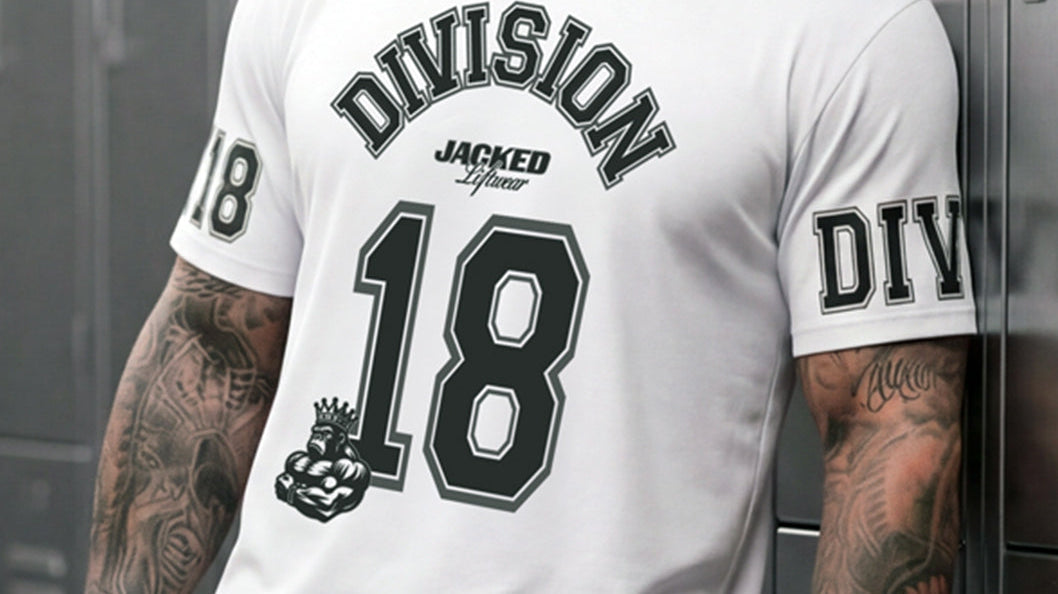
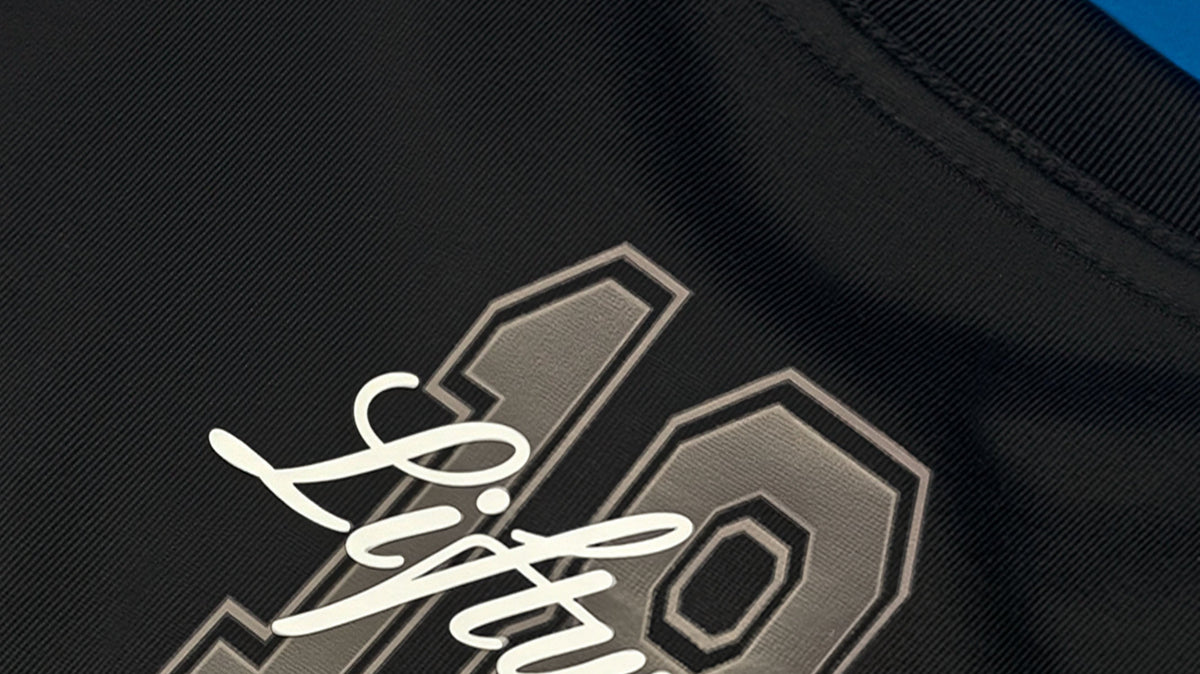
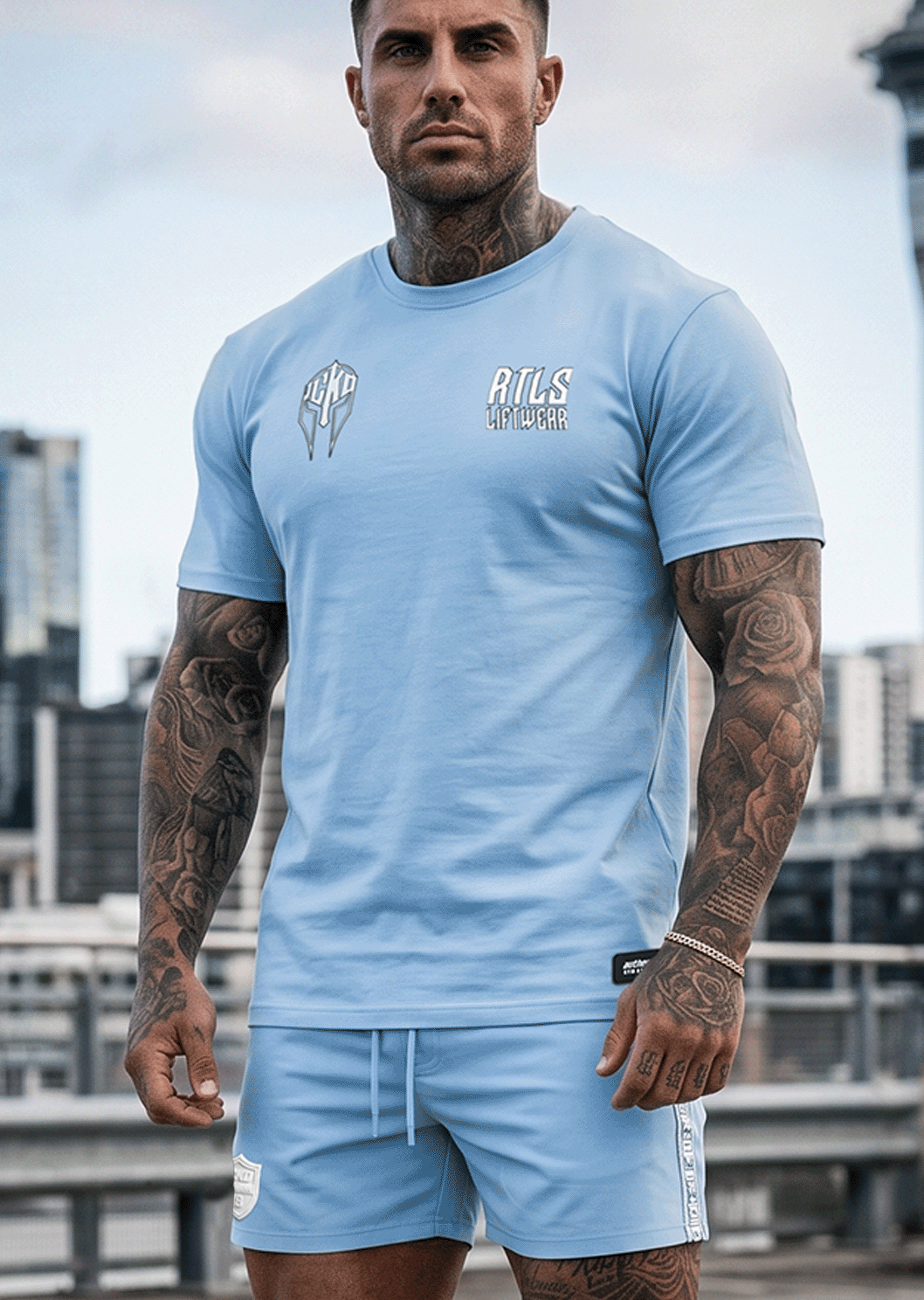
Classic-fit tees are the backbone. They layer under a hoodie, they work outside the gym, and they don't get in the way of a bar path. The 3018 Crowned Lifter Tee sits at 180 GSM in 100% combed cotton: lightweight but structured, with shoulder-to-shoulder tape and twin-needle hems so it holds its shape rather than going soft after a month. Across our classic cuts you'll see anywhere from 180 to 220 GSM depending on the shirt, and all of it is pre-shrunk so the fit you buy is the fit you keep.
Oversized cuts earn their place for a different reason: room. Dropped shoulders and a boxy body mean nothing pulls when you press or pull overhead. The 4018 Signature Oversized runs 220 GSM combed cotton with reinforced seams: heavier, more drape, more presence. If you're new to the cut, our oversized vs classic fit breakdown covers which one suits which session.
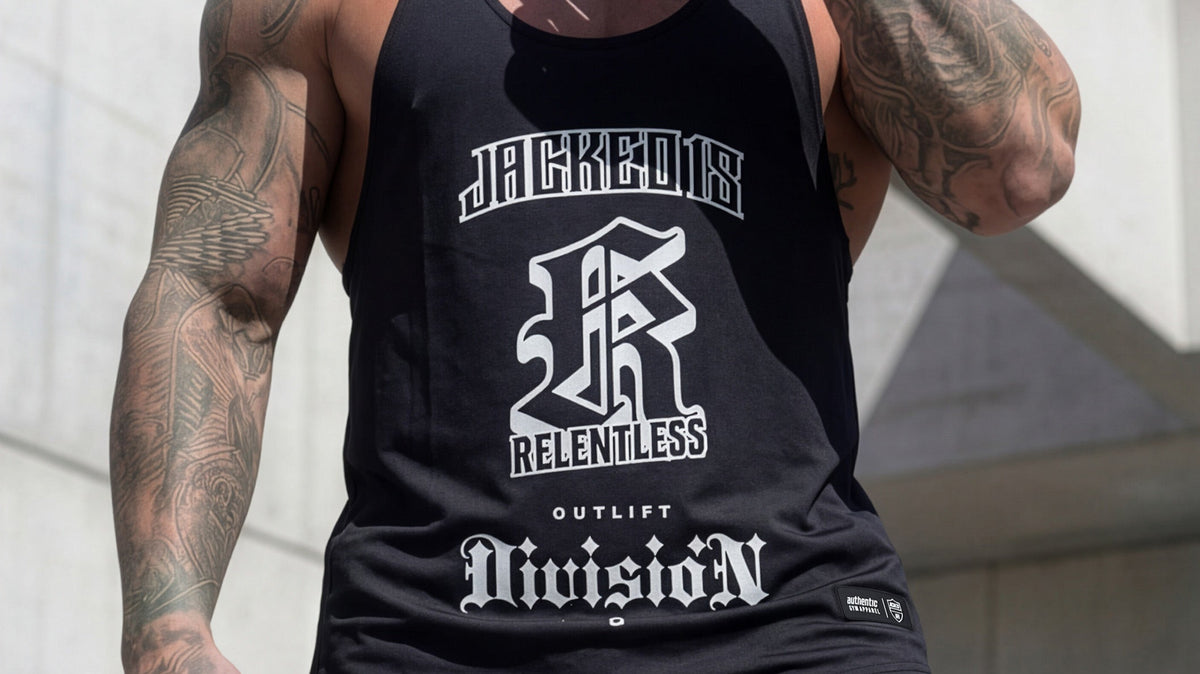
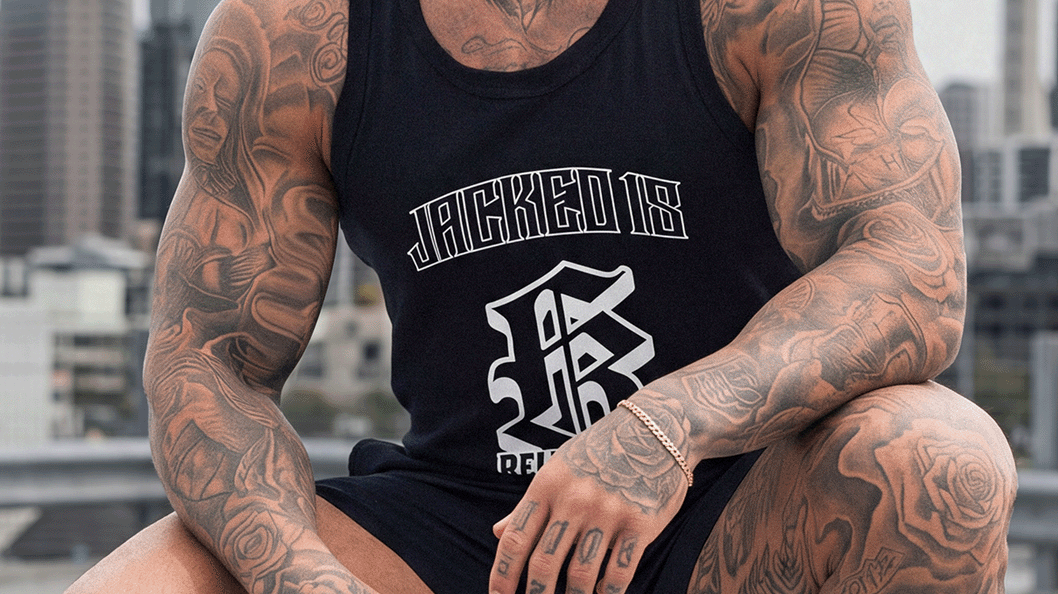
Sleeveless is the summer and heavy-pressing option. The 1018 Kong 18 Singlet is 150 GSM combed cotton in a tapered Flexset cut: light, breathable, and out of the way when you're benching or doing anything overhead in a hot gym.

Layer two: the bottoms
Split your bottoms by season and by session type, not by colour.
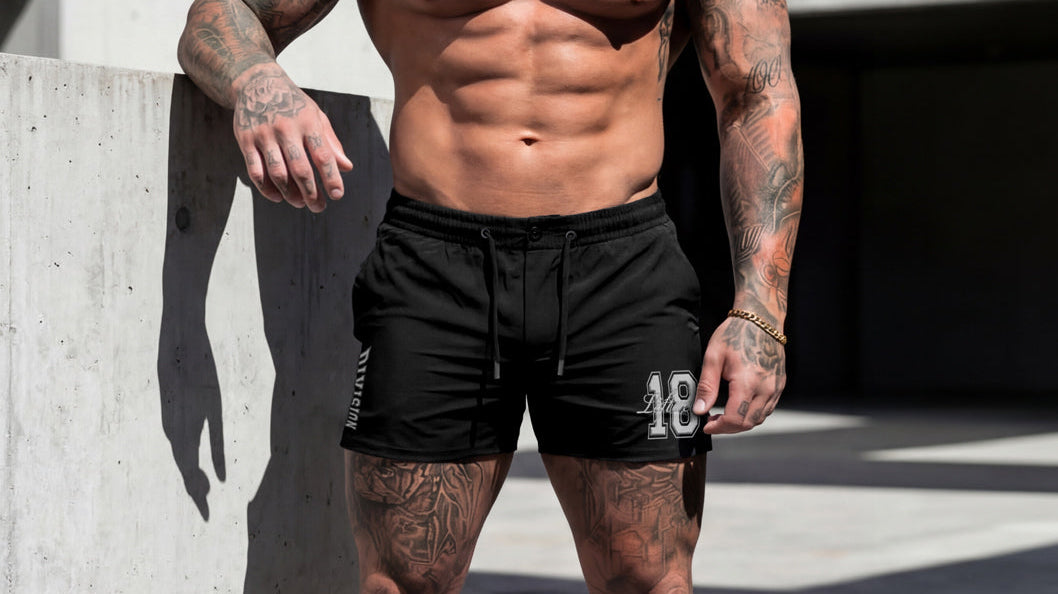
Shorts handle leg day, conditioning and anything in the heat. The 1023 Relentless Flex Shorts use a lightweight nylon/spandex blend with four-way stretch and dual zip pockets. The stretch matters more than you'd think the first time you sit into a deep squat in something that doesn't have it.
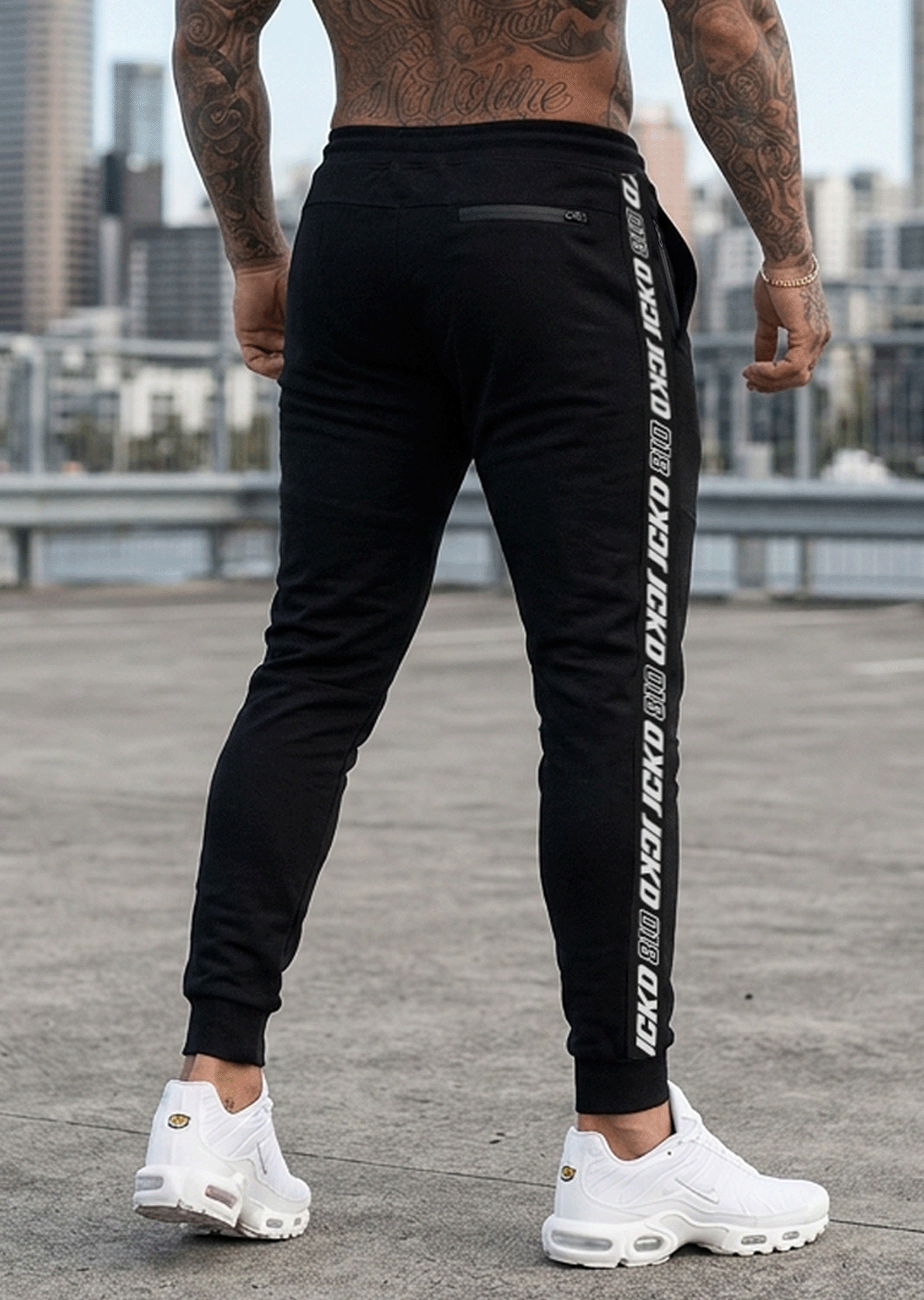
Joggers cover cold starts, travel and everything outside the gym. The Core-Lock Joggers are 230 GSM in a 54% polyester, 46% cotton scuba-style blend: dense and warm, tapered through the leg, with deep zip pockets that actually hold a phone without it moving.

Layer three: the one that gets worn most
Your hoodie will out-wear everything else in the rotation, because it gets worn to the gym, during warm-ups, and for most of the day around it. That makes weight the thing to check.
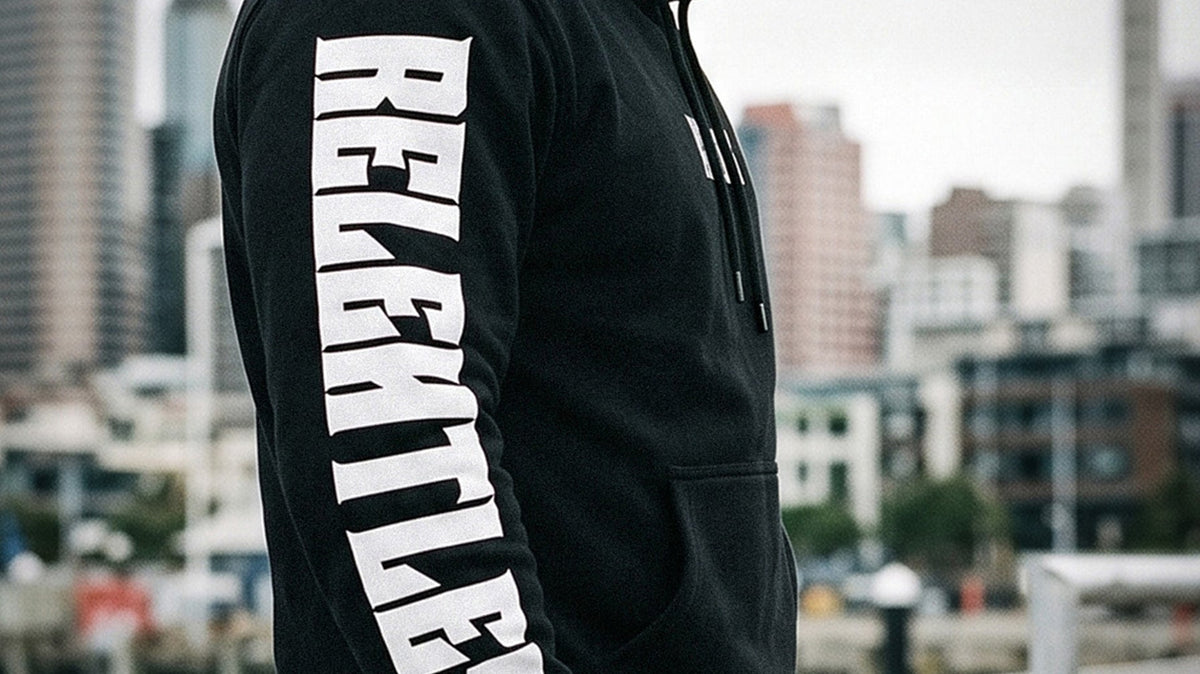
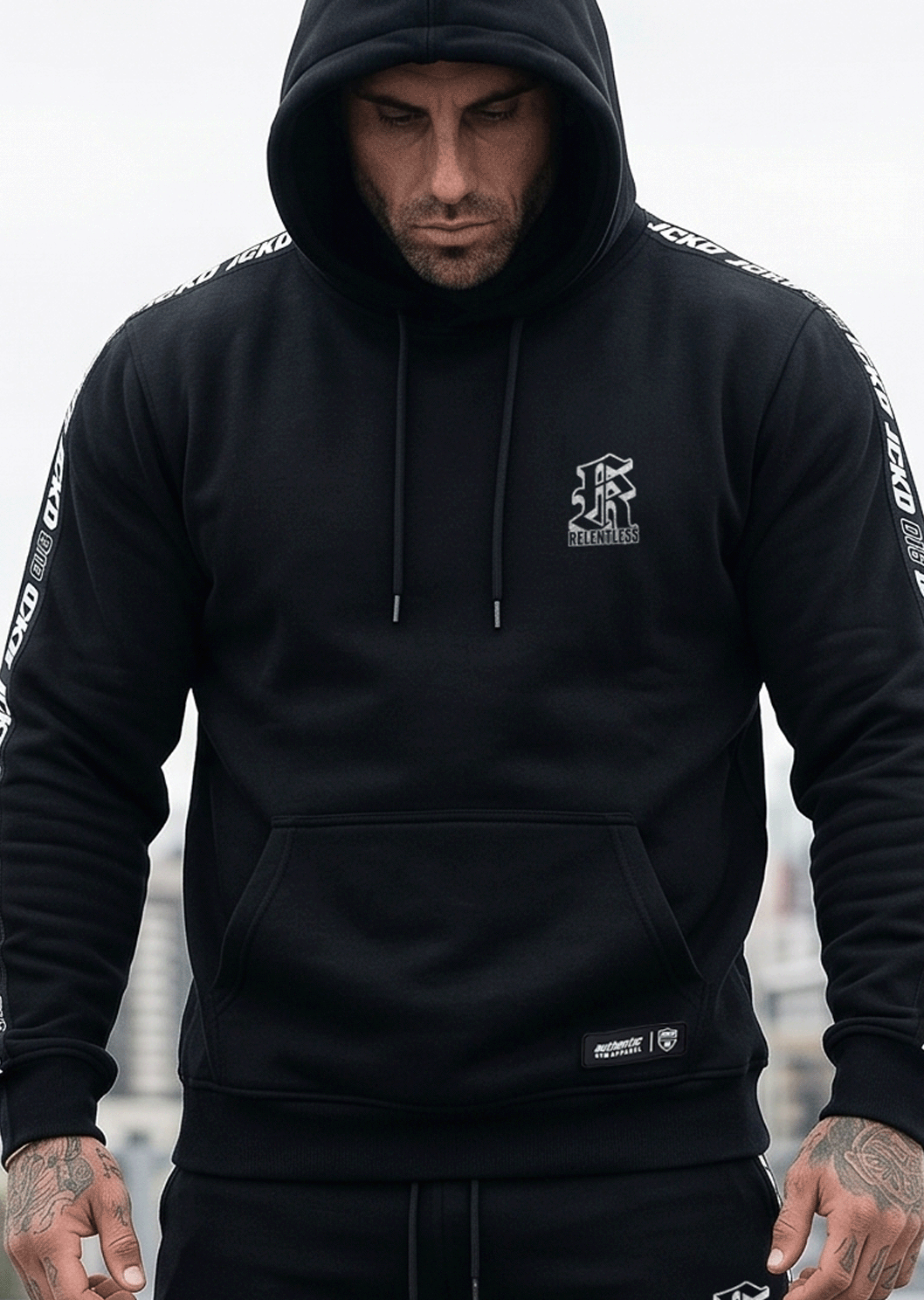
The RTLS Armour Hoodie is 350 GSM anti-pill CVC fleece, 80% cotton and 20% recycled polyester, with ribbed cuffs and hem for shape retention and a lined hood. Anti-pill matters here: a fleece that bobbles across the chest after a winter of use looks worn out long before it actually is.
Fabric weight is the single most useful spec on any gymwear label, and it's the one most brands leave off. We wrote a full explainer on what GSM actually means if you want to compare properly before you buy.
Building it without buying everything at once
You don't need ten pieces on day one. Build in this order:
- Two classic tees. The highest-use item in any rotation. Start here.
- One pair of shorts and one pair of joggers. Covers both ends of the NZ calendar.
- One hoodie. Buy the heavier one, because it's the piece you'll wear most.
- Fill out the tops. Add an oversized cut and a singlet once you know which sessions you reach for what.
Then stop. A rotation of ten good pieces beats a drawer of twenty average ones, and it costs less over two years.
If you'd rather see it assembled, The Rotation is exactly that: the pieces that cover a full training week without overlap.
FAQs
How many gym clothes do I actually need?
For three to five sessions a week: roughly four to six tops, three to four bottoms, and one or two layers. Around ten pieces total. That gives you a full week plus a buffer, so laundry timing never forces your hand.
Is heavier fabric always better for the gym?
No. Heavier fabric holds shape and lasts longer, which is why oversized cuts sit at 220 GSM. But a 150 GSM singlet is the better call in a hot gym or in summer. Match the weight to the session, not to a rule.
How long should gym clothes last?
A well-made combed cotton tee in a deep rotation should give you two-plus years. Most gymwear dies early from washing, not training: hot washes, fabric softener and tumble drying do more damage than any session. Our gym clothing care guide covers the five rules that matter.
Can I just train in normal clothes?
You can, but the seams and fit aren't built for it. Regular tees have no shoulder taping and single-stitch hems, so they stretch out and lose shape fast under repeated overhead work and washing. That's the actual difference between a shirt and fitness apparel.
The short version
Stop buying gym clothes one panic-purchase at a time. Work out how often you train, build a rotation that covers it with a spare day, and buy on fabric weight and construction rather than on print. Ten pieces chosen properly will outlast twenty bought at random, and you'll spend less doing it.
Train relentless.