



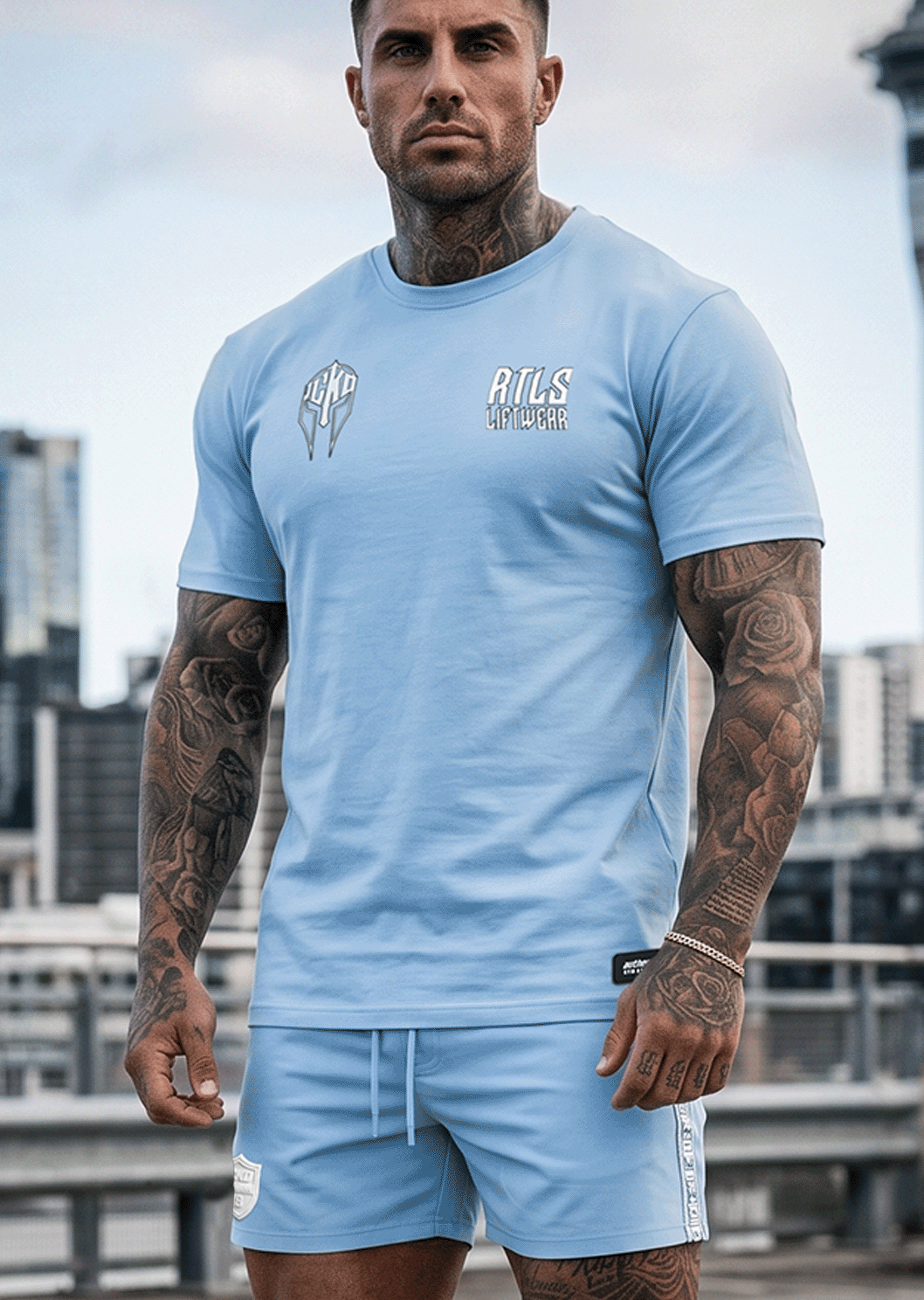
You paid for 220 GSM combed cotton. You should get years out of it, not one summer. But most gym gear doesn't die of old age, it gets killed in the wash. Shrunk in a hot cycle, stiffened by fabric softener, or hung on a wire hanger until the shoulders grow horns.
This is the short version of everything that actually matters for keeping heavyweight cotton training gear looking like the day it landed. No myths, no eight-step ritual. Just what works.
Why gym clothes wear out faster than normal clothes
Gym kit takes a beating civilian clothing never does. Salt and body oils from sweat sit in the fibres. Bars and benches abrade the fabric. And unlike a work shirt, it gets worn hard, sweated through, and thrown in a bag, often wet.
That last part is the real killer. Bacteria feed on the oils trapped in fabric, and once they've colonised a garment, that permanent gym-bag smell is baked in. It's not a washing problem at that point. It's a storage problem you caused three days earlier.
Good fabric buys you a head start. Our tees are cut from pre-shrunk 100% combed cotton, and combing removes the short, weak fibres before spinning, so the yarn is smoother, stronger and pills far less than standard cotton. Pre-shrinking means the fabric has already done most of its shrinking before it reaches you. But the fibre can only do so much if the care is wrong.

The washing rules that actually matter
1. Cold water, always
Cold wash, 30°C or below. Heat is what makes cotton fibres contract, and it's what softens and cracks screen prints. Cold water cleans sweat perfectly well, because sweat is water-soluble and it isn't grease. There's no scenario where a hot wash helps your gym tee.
2. Turn it inside out
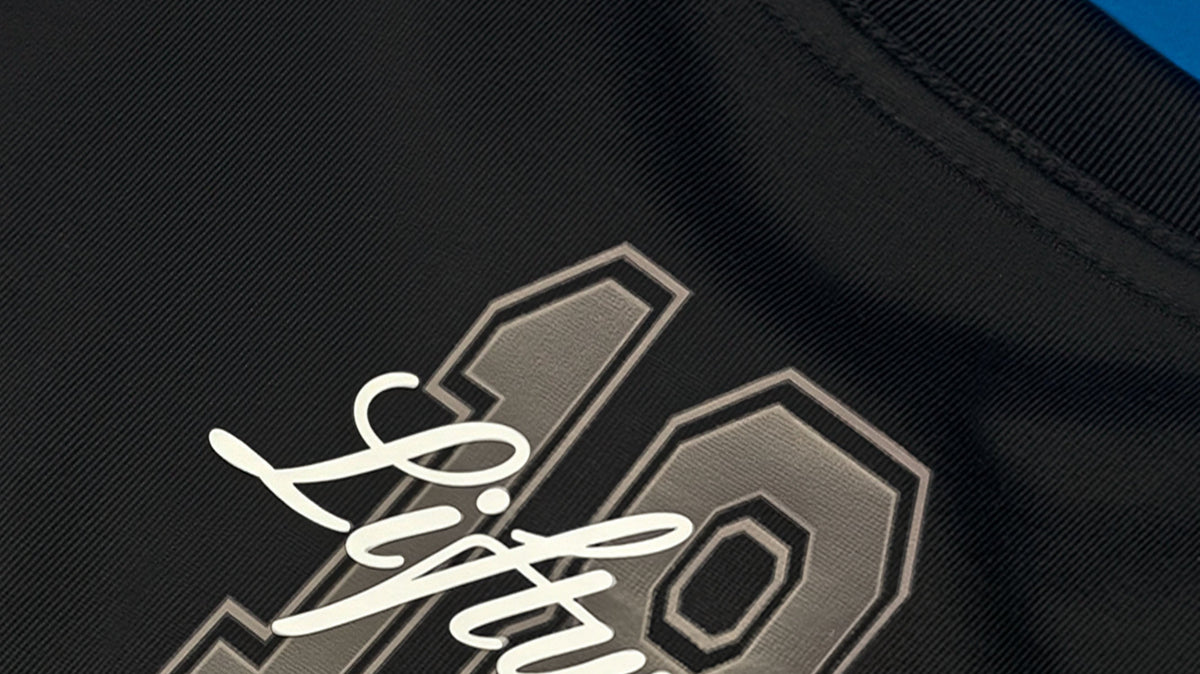
Thirty seconds of effort that doubles the life of a print. Inside out means the graphic rubs against the inside of your own garment instead of a drum full of zips, buttons and denim. If you take one thing from this guide, take this one.
3. Skip the fabric softener
Softener works by coating fibres in a waxy film. On cotton that means reduced breathability and a garment that holds odour instead of releasing it. On any blended or technical fabric it's worse. If you want softness, use less detergent and an extra rinse, because cotton softens naturally with wear.
4. Wash with like weights
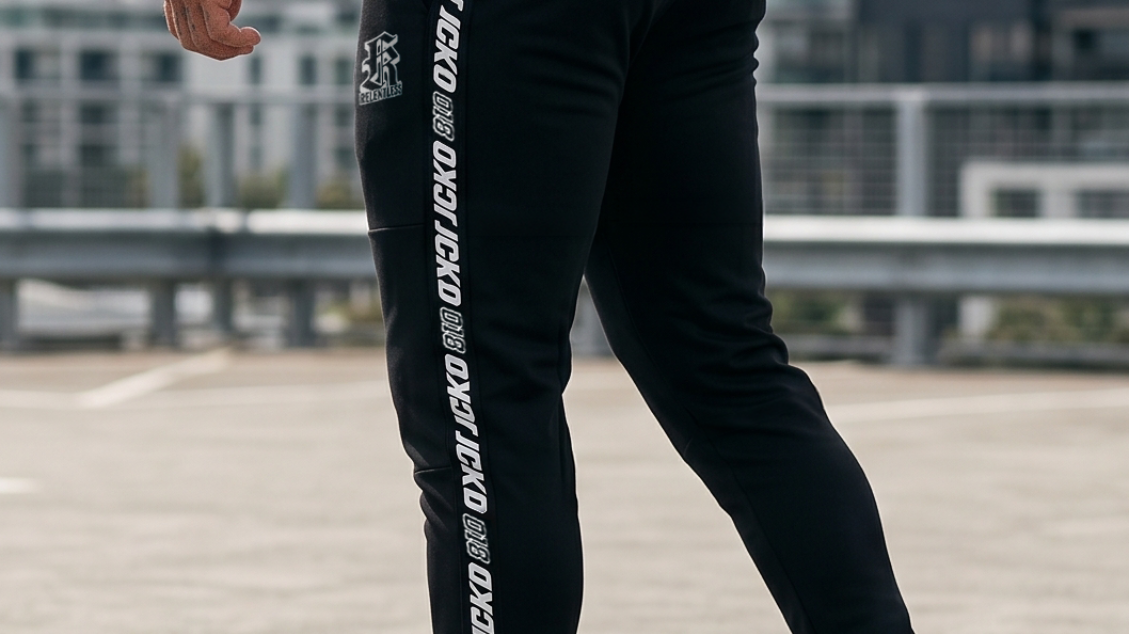
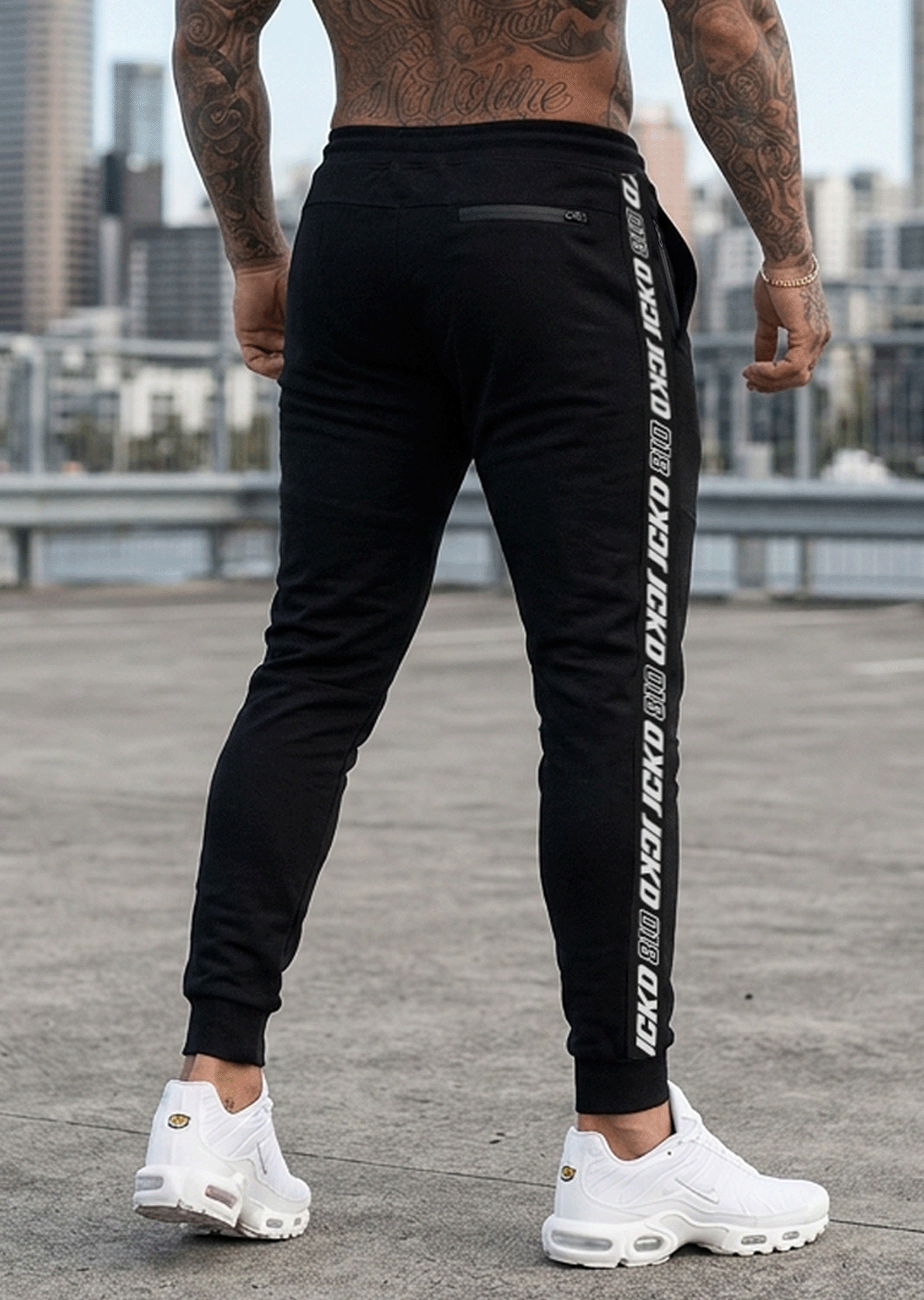
Heavy cotton with heavy cotton. Throwing a 220 GSM oversized tee in with towels means lint everywhere; throwing it in with hardware-heavy jeans means abrasion on the print. Zip up anything with zips, like the Core-Lock Joggers, whose metal hardware will happily chew a tee for forty minutes.
5. Don't leave it sitting wet
Out of the machine and onto the line as soon as it's done. Damp fabric sitting in a warm drum for hours is exactly how mildew smell starts.

Drying: the step that ruins the most gear
Air dry. That's the whole answer.
Tumble dryers are the single fastest way to shrink a cotton tee and destroy a print. Even a pre-shrunk 220 GSM garment will tighten up under repeated high heat, and the tumbling action is brutal on printed graphics.
Line dry inside out, in the shade. New Zealand's UV is severe, and direct summer sun will fade black cotton noticeably in a single season. Shade or indoors on a rack costs you an hour of drying time and saves the colour.
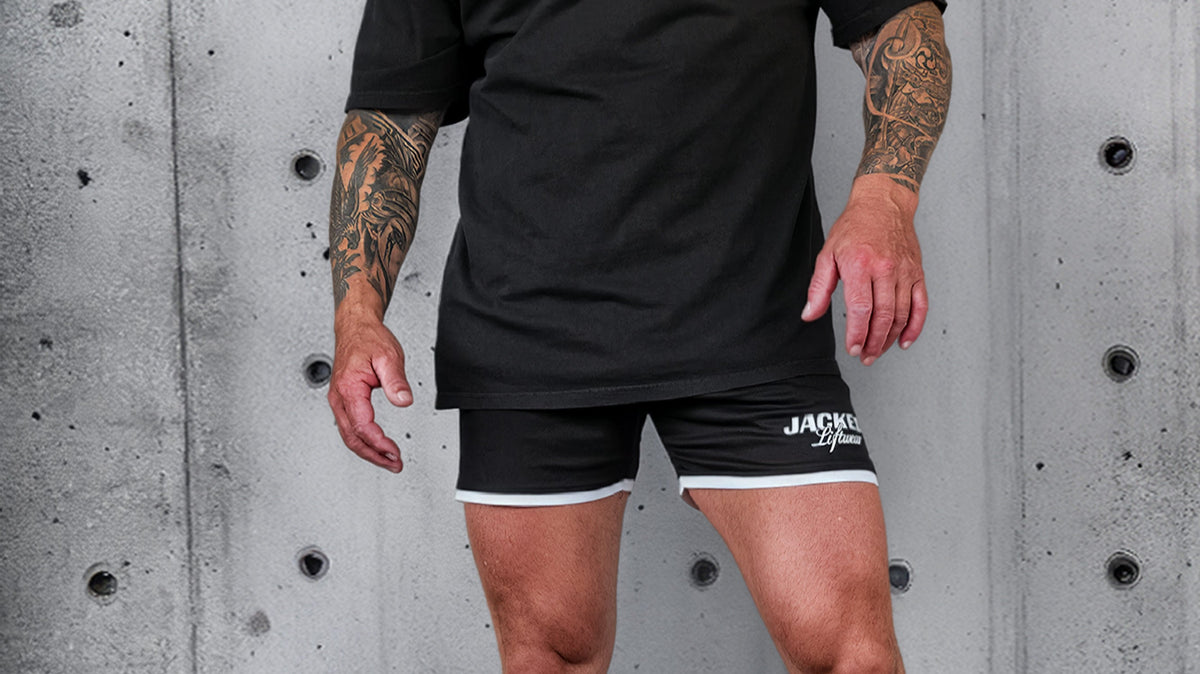
For heavyweight oversized fits like the 4018 Signature Oversized, dry flat or over a wide rail rather than a thin hanger. Wet heavyweight cotton is heavy, and a narrow hanger will stretch permanent points into the shoulders.
Storage and the gym bag
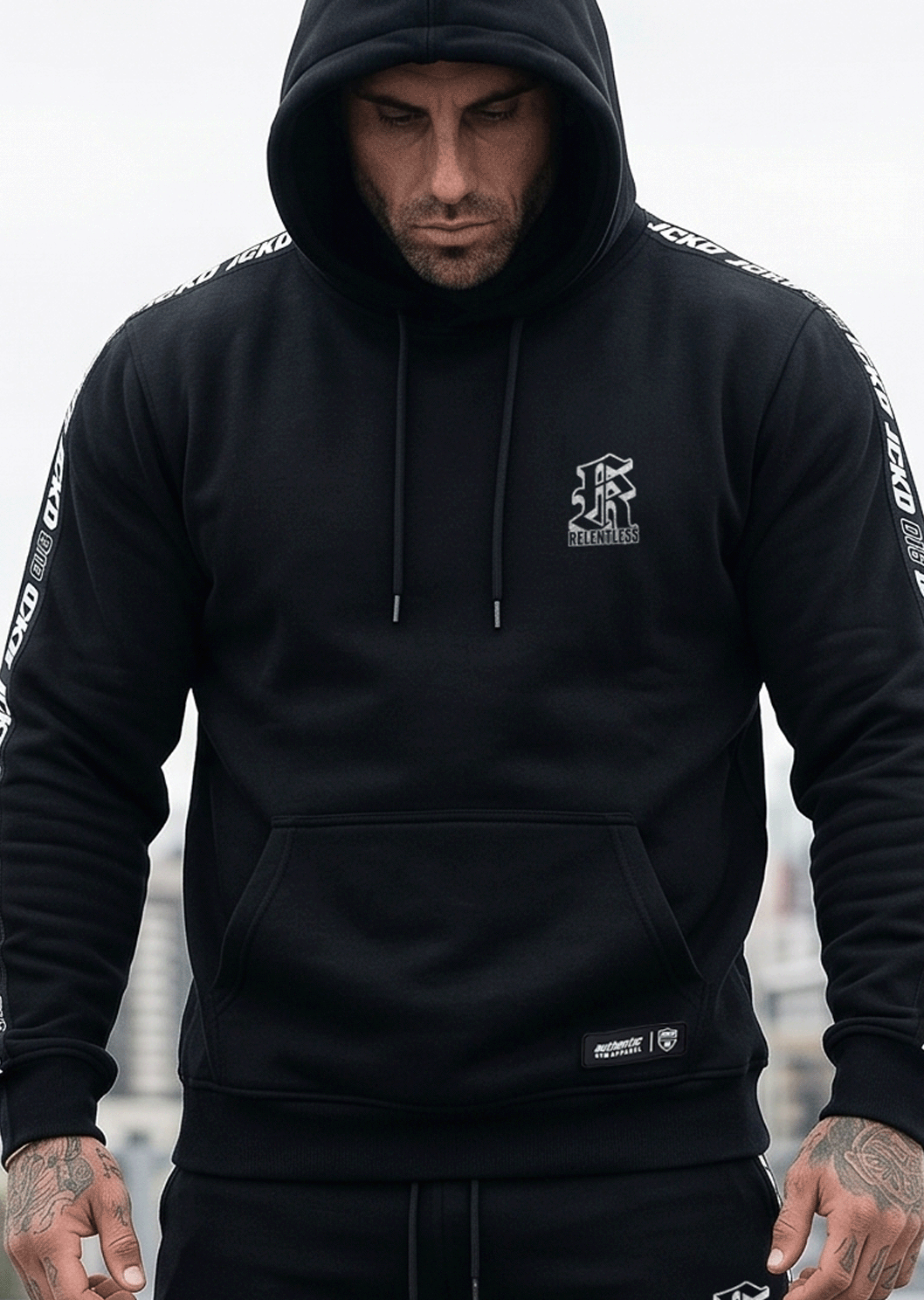
Fold heavyweight tees. Don't hang them. Gravity plus a 220 GSM garment equals a stretched neckline over time. Hanging is fine for hoodies and jackets with structured shoulders; it's bad for a boxy oversized tee.
And the bag rule: sweaty kit comes out of the bag the moment you get home. Not tonight, not tomorrow. If you genuinely can't wash it straight away, hang it somewhere airy to dry first, because a dry sweaty tee is far less damaged than a damp one that sat sealed in nylon for two days.
Dealing with odour that's already set in
If a garment has gone sour, normal detergent won't fix it, because the residue is inside the fibre. Soak it in a cold bath of water with a cup of white vinegar for an hour, then wash cold as usual. Vinegar breaks down the oil and mineral residue that detergent leaves behind.
Don't use bleach on coloured cotton, and don't double up on detergent. Excess detergent that doesn't rinse out is itself a cause of trapped odour. It's a residue problem, not a cleaning-power problem.
Quick reference
- Wash: cold, inside out, like with like
- Detergent: normal amount, no softener
- Dry: air dry in the shade, never tumble
- Store: fold heavyweight tees, hang hoodies
- Bag: empty it the day you train
FAQs
Will my tee shrink if I follow this?
Our cotton tees are pre-shrunk, so washed cold and air dried they should hold their fit. Shrinkage comes almost entirely from heat: hot washes and tumble drying. Remove the heat and you remove the problem.
Can I iron a printed gym tee?
Iron it inside out on low, and never directly over the print. Direct heat on a screen print will crack or gloss it. Most heavyweight cotton doesn't need ironing anyway. Hang it slightly damp and it drops out.
How often should I wash gym gear?
Every wear. Sweat residue left in fabric degrades fibres and sets odour. This isn't denim, and there's no case for wearing gym kit twice between washes.
Does washing cold really clean properly?
For sweat, yes. Modern detergents are formulated for cold water, and sweat is water-soluble. Hot water is only genuinely necessary for heavy grease or sanitising, neither of which applies to a training tee.
Start with gear worth looking after
Care advice only pays off on garments built to survive it. Heavyweight pre-shrunk combed cotton, twin-needle stitching and reinforced seams are what make the difference between a tee that lasts three years and one that lasts three months.
Have a look through The Rotation for the pieces we build to that standard, including the 4018 The Ark Oversize Tee at 220 GSM and the lighter-weight 3018 Crowned Lifter Tee at 180 GSM.
Not sure which weight suits you? Our guide to what GSM means in gymwear breaks down the numbers, and the oversized vs classic fit explainer covers the cut.