



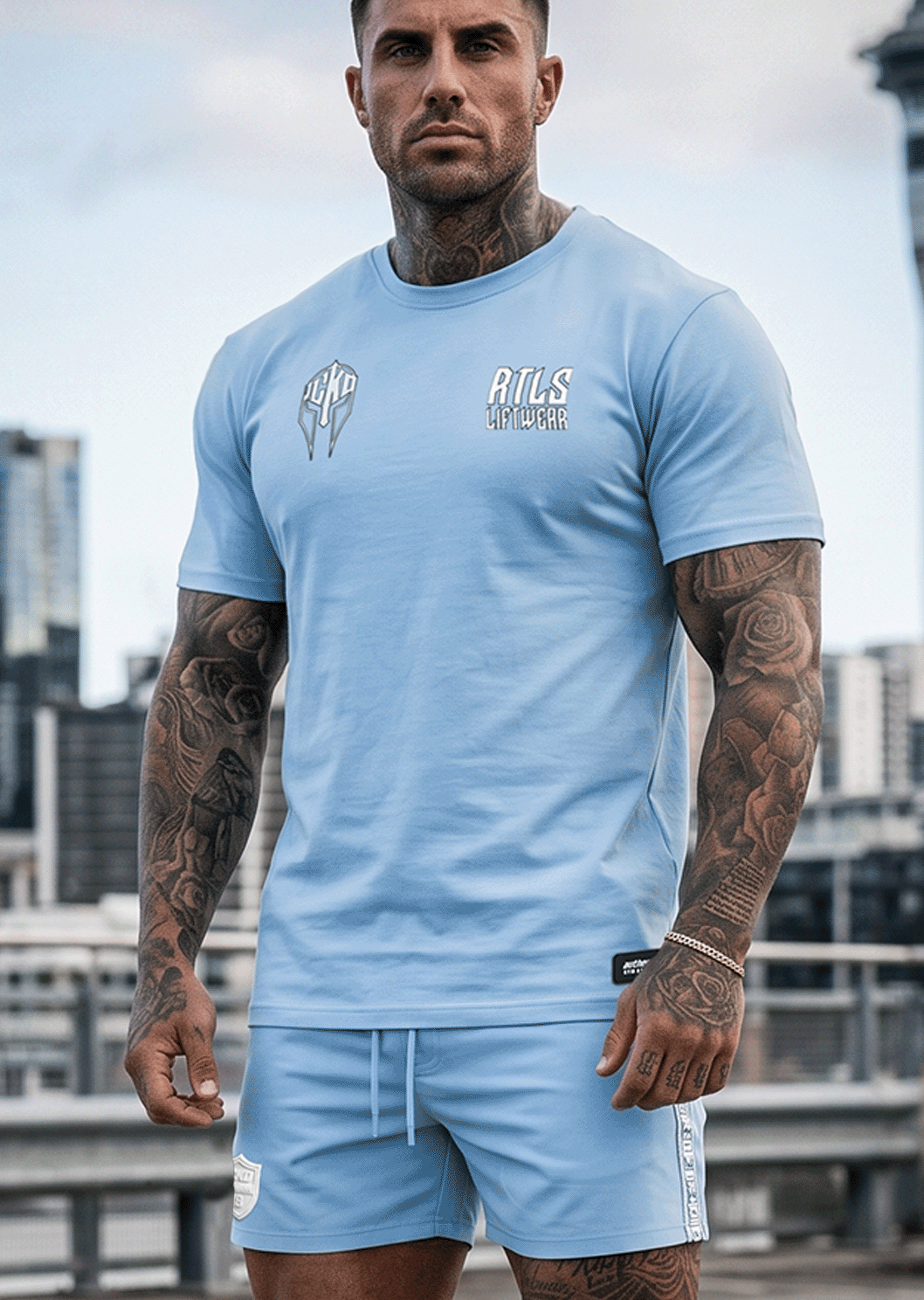
Walk into any gym in New Zealand right now and you'll see the split. Half the floor is in a boxy, dropped-shoulder oversized tee. The other half is in a clean, straight-cut classic fit. Both look good. Both are "the right answer" depending on who you ask, and that's exactly why it's confusing.
So let's cut through it. This is a straight comparison of oversized vs classic fit gym tees: what actually changes between the two cuts, how each one moves under load, and how to pick the fit that suits your frame and the way you train. No trend-chasing, no fluff.
The core difference: it's the cut, not the size
The biggest mistake people make is treating "oversized" as "buy a size up." It isn't. An oversized tee and a classic tee in the same size are patterned completely differently. The shape is engineered, not just scaled.
Classic fit
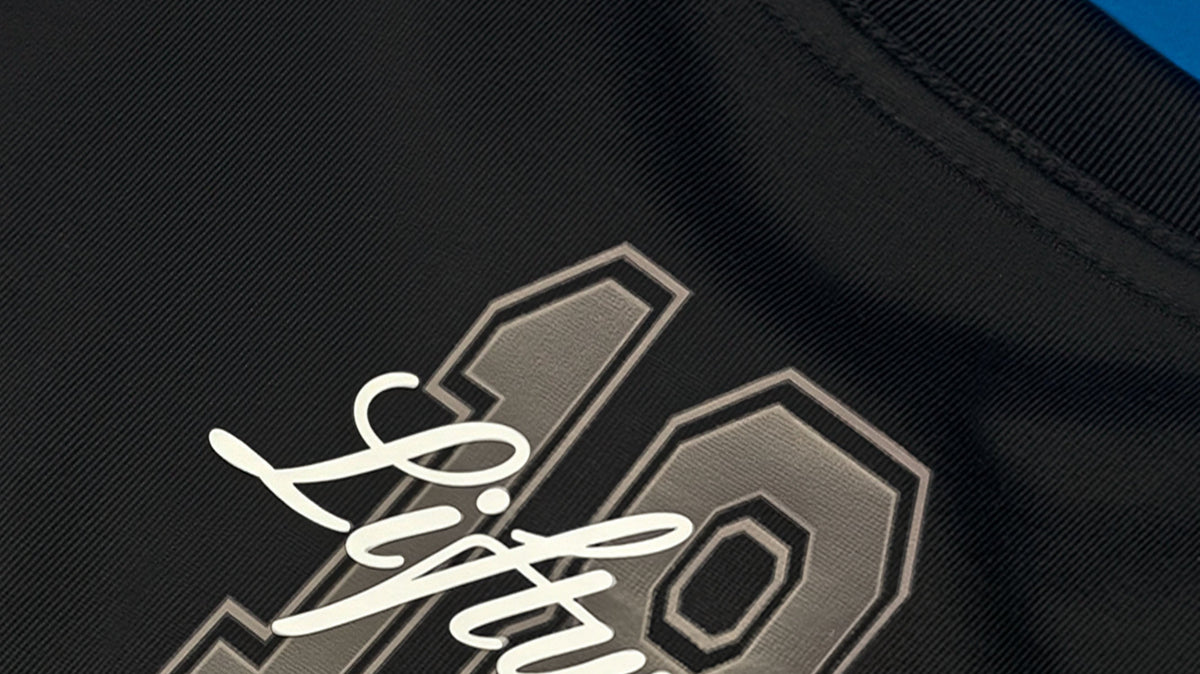
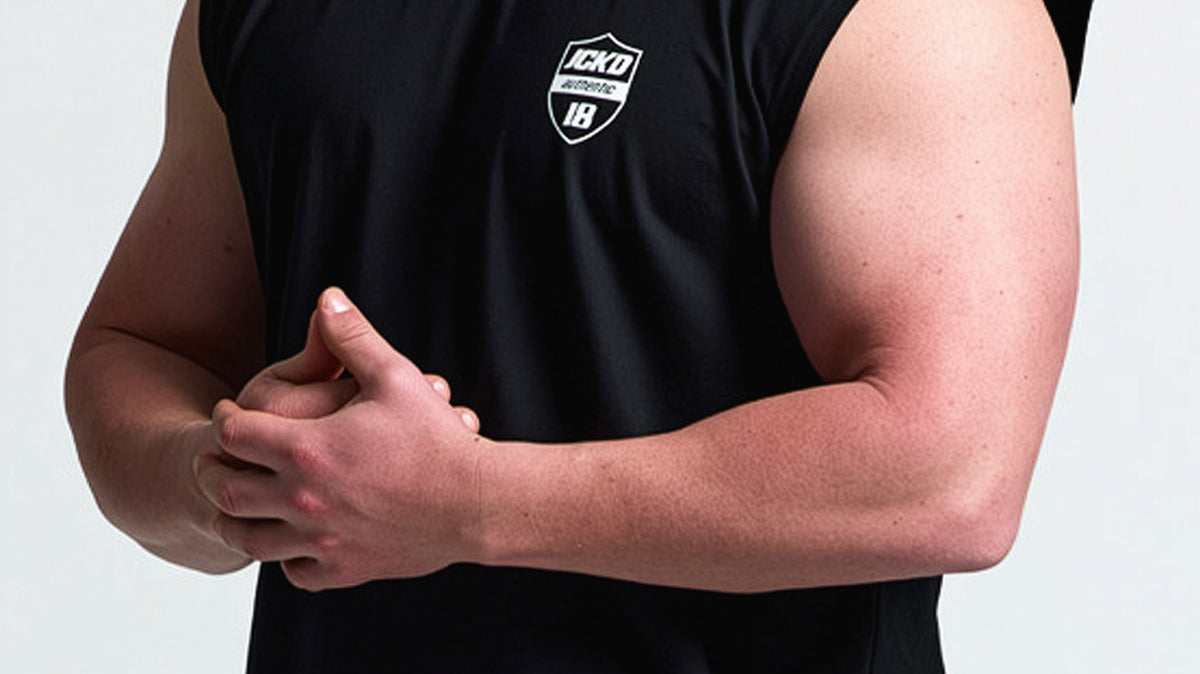
A classic fit follows your torso. The shoulder seam sits on your actual shoulder, the body runs straight down without clinging, and the length stops around your belt. It reads structured and deliberate: you look put-together whether you're mid-set or grabbing coffee after. Our 3018 Classic Rep Tees are built on this cut in combed cotton running 180 to 220 GSM depending on the shirt, which is the sweet spot: enough weight to hang properly, not so much that it feels like a jacket in summer.

Oversized fit
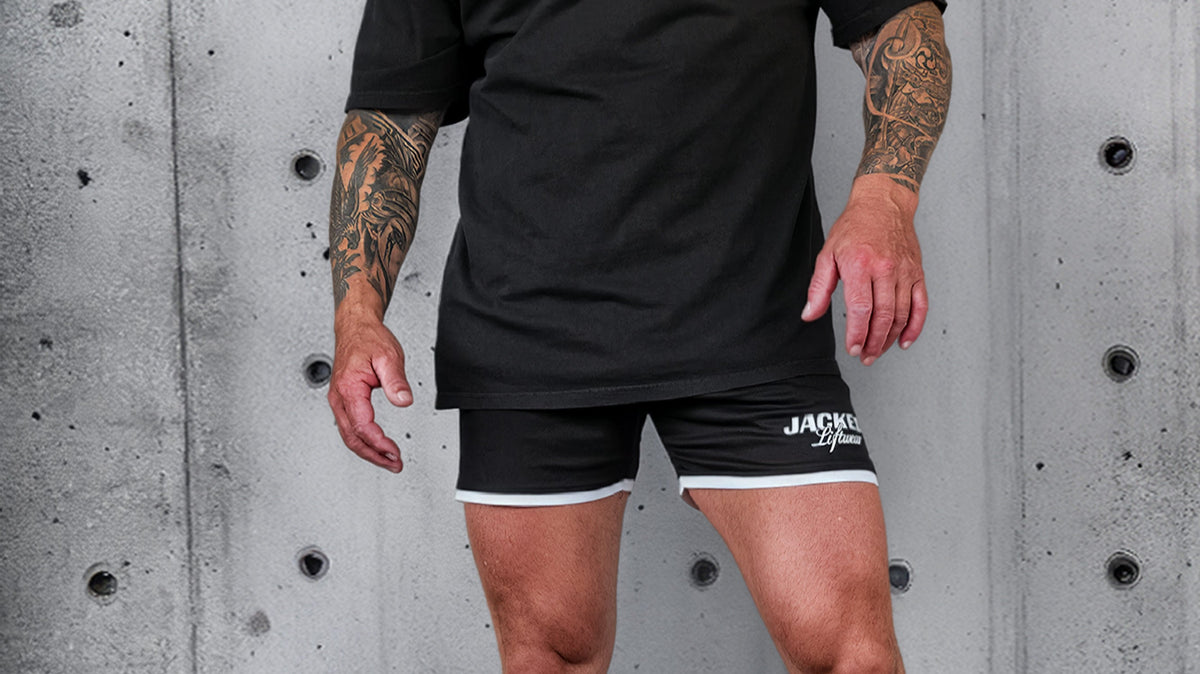
An oversized fit is a different animal. The shoulder seam drops down your upper arm, the body is cut wider and boxier, and the length runs longer. The whole thing is designed to sit off the body rather than on it. That's what gives oversized its presence: it frames the shoulders and chest and skims everything else. Our 4018 Classic Rep Oversized range runs a heavier 220 GSM so the extra fabric actually holds its shape instead of collapsing into a shapeless drape.

How each fit performs under the bar
Looks are half of it. The other half is how the tee behaves when you're actually lifting.
Oversized: room to move, presence on the floor
- Freedom through the shoulders. The dropped seam and wider body mean nothing pulls across your back during pressing, rowing or overhead work. If you've ever felt a fitted tee bite into your delts on a heavy press, oversized fixes that.
- Frames the physique. Boxy up top, longer through the body. It exaggerates the V-taper and hides the midsection. This is the fit if you want to look bigger on the gym floor.
- The trade-off: more fabric moves around. On sprints, burpees or anything with a lot of bending, an oversized tee will ride and flap more than a fitted one.
Classic: locked-in, low-maintenance
- Stays put. Because it follows your torso, a classic fit doesn't ride up when you hinge or bend. Good for conditioning, functional work and anything where you don't want to keep tugging your shirt down.
- Reads sharp everywhere. A structured cut looks intentional in and out of the gym. It's the easier tee to wear when your day doesn't end at the squat rack.
- The trade-off: it shows your actual shape. That's a plus if you've built the frame and want to show it, less forgiving if you'd rather skim over things.
So which fit should you buy?
Here's the honest breakdown, based on the frame you're working with and the look you're after.
Go oversized if...
- You want that boxy, streetwear-influenced look that's taken over gym culture. More on why in our guide to why heavyweight oversized fits took over.
- You're broad up top and fitted tees feel restrictive across the shoulders.
- You're leaner and want more visual size and presence on the floor.
- Your training is mostly lifting rather than high-movement conditioning.
Start with the 4018 Signature Oversized, the cleanest entry into the cut, or go full blackout with the stone-washed 5018 Black on Black Oversized if you want the heaviest, most rugged option in the range.
Go classic if...
- You want one tee that works for training, work and everything in between.
- You've put in the work and want a cut that shows the frame rather than hiding it.
- Your sessions involve a lot of movement and you don't want fabric riding up.
- You prefer a timeless look over a trend.
The 3018 Crowned Lifter Tee is the pick here, a proper 180 GSM classic cut that hangs right out of the bag and gets better with every wash.
The real answer? Own both.
Most lifters we know don't pick a side. They run oversized for heavy lifting days when they want room and presence, and classic for conditioning or when the day doesn't stop at the gym. Two cuts, two jobs. If you're building a rotation from scratch, The Rotation is where we've put the tees worth training in.
Don't forget the fabric underneath
Fit gets all the attention, but the weight of the fabric is what makes either cut actually work. Too light and an oversized tee drapes like a bin liner and a classic tee clings to sweat. Both of our cuts are built on premium 100% combed cotton, pre-shrunk so the fit you buy is the fit you keep: oversized at 220 GSM for structure, classic from 180 to 220 GSM for that clean hang. If you're not sure what those numbers mean or why they matter, our breakdown of what GSM means in gymwear explains why a heavier tee outlasts a cheap one by years.
FAQ
Is oversized or classic fit better for the gym?
Neither is universally better, because they do different jobs. Oversized gives you room through the shoulders and more presence on the floor, ideal for heavy lifting days. Classic stays put and reads sharp everywhere, better for conditioning and everyday wear. Choose based on your build and how you train.
Should I size up for an oversized tee?
No. An oversized tee is already patterned bigger and boxier, so take your normal size for the intended oversized look. Only size up if you want an extra-baggy, exaggerated drape. Sizing up a classic fit just gets you a badly-fitting big tee, not an oversized one.
Does an oversized tee make you look bigger or smaller?
Bigger, if it's cut properly. A structured oversized fit frames the shoulders and chest while skimming the midsection, which exaggerates the V-taper. The key is enough fabric weight, around 220 GSM, so it holds its shape instead of collapsing. A flimsy oversized tee just looks sloppy.
What GSM should a good gym tee be?
For serious training, look for 180 GSM and up. Our classic tees run 180 to 220 GSM depending on the shirt, and our oversized tees run 220 GSM so the extra fabric keeps its structure. Anything much under 180 GSM tends to cling, go see-through with sweat, and wear out fast.
Whichever way you lean, buy the cut for the job, not the trend. Build the frame, then dress it in something that lasts. Live Relentless.