



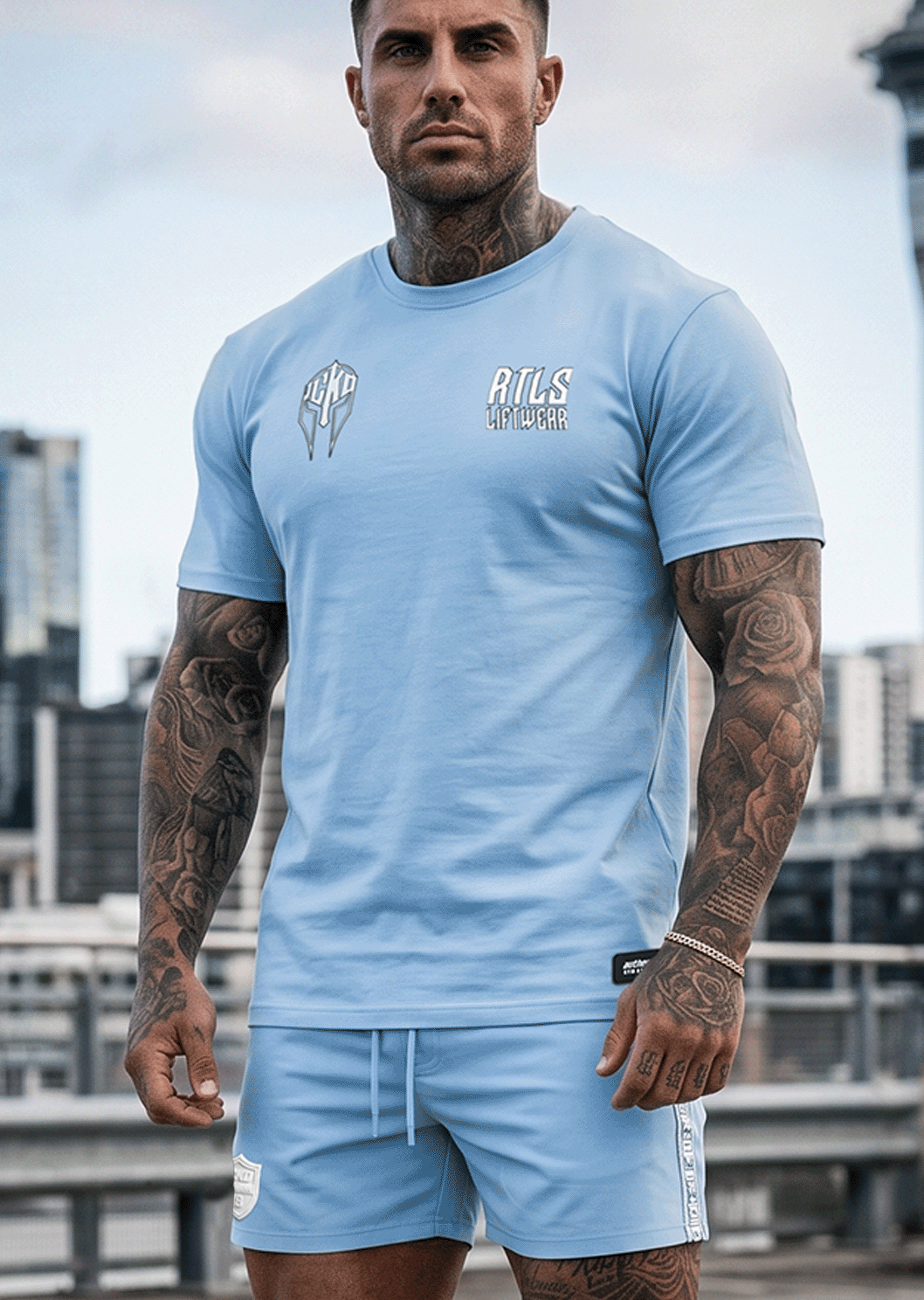
Athleisure got a bad name because most of it is just gym kit that gave up. Thin jersey, a limp neckline, a logo that cracked after four washes. You wear it once to the supermarket, catch yourself in a window, and quietly demote it to a house shirt.
The idea is sound though. Most lifters are not changing outfits three times a day. You train, you go to work or run errands, you sit down somewhere. One rotation should carry all of that. The question is not whether athleisure works. It is which pieces actually survive the double life, and which ones only ever looked good in the gym mirror.
What separates real athleisure from gym clothes you got away with
Four things decide whether a piece works outside the gym.
1. Structure, not just softness
Soft is easy. Structure is what makes a shirt sit the same at 6pm as it did at 6am. That comes from fabric weight and construction: heavier cotton, side seams, shoulder-to-shoulder tape, ribbed necklines that hold their shape instead of yawning open. A 180 GSM tee drapes clean. A 220 GSM oversized tee sits like outerwear. Cheap 140 GSM promo cotton clings, wrinkles and gives up by lunchtime.
If GSM is new to you, we broke the whole thing down in what GSM means in gymwear.
2. Cotton over synthetic, for anything worn all day
Technical synthetics are built for one thing: moving sweat during a hard session. That is the job they do well. The trade is that polyester holds bacteria and starts declaring your training history to a room within a few hours. Combed cotton breathes, wears in rather than out, and does not turn a coffee meeting into an event. For a piece that has to work past the car park, cotton or a cotton-led blend wins.
3. Fit that reads as a choice
The difference between athleisure and "I could not be bothered" is intent. A boxy oversized cut with a proper dropped shoulder looks deliberate. A regular tee two sizes too big just looks borrowed. Same with bottoms: a tapered leg reads clean, a shapeless track pant reads like laundry day. If you are stuck between cuts, the oversized vs classic fit guide covers which one suits what.
4. Details that earn their place off the gym floor
Zip pockets that hold a phone through a squat also hold a phone on a train. A lined hood, a kangaroo pocket, metal eyelets, a hem that does not curl. These are the small things that stop a piece looking like activewear the second you step off the mat.
The four pieces that do both jobs
You do not need a separate wardrobe. You need four pieces that do not flinch when the day runs long.
The heavyweight oversized tee
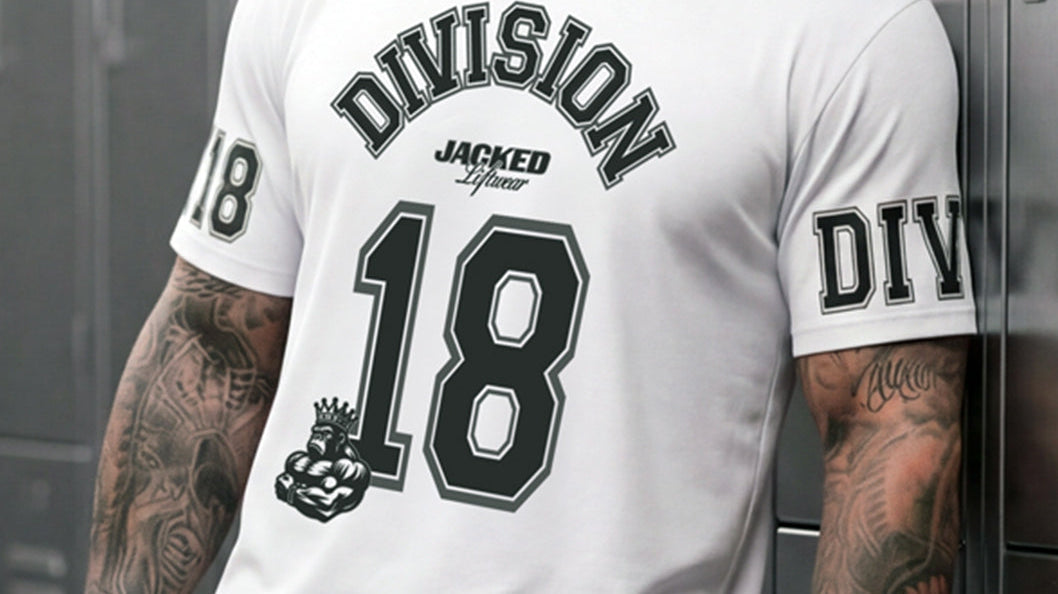
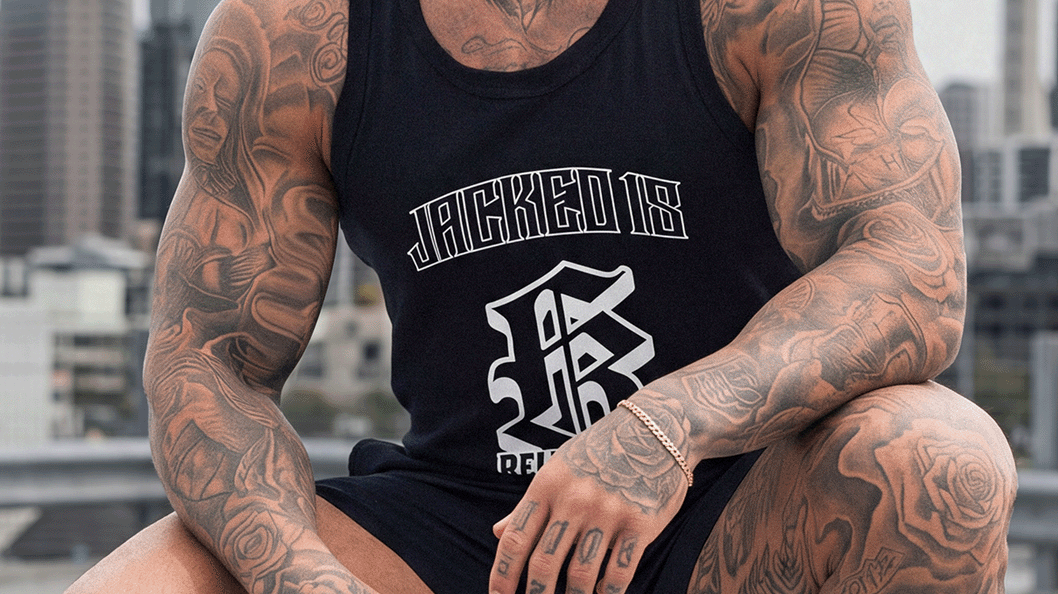
The single most versatile thing you can own. The 4018 Signature Oversized is cut from 220 GSM 100% combed cotton with dropped shoulders and a boxy body, so it stacks clean over shorts or gym pants and stays looking intentional with jeans. Preshrunk, so the fit you buy is the fit you keep. Heavy enough that it hangs instead of clinging, which is the entire difference between streetwear and sleepwear.

The clean regular-fit tee
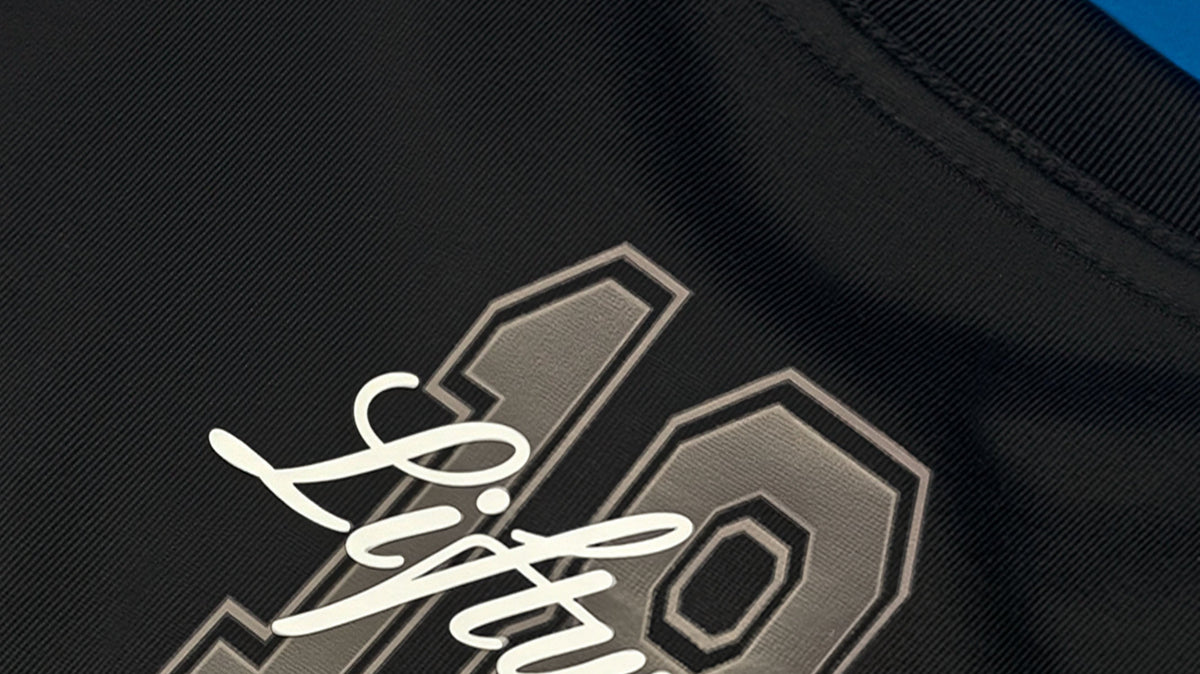
Not every day calls for volume. The 3018 Crowned Lifter Tee runs 180 GSM 100% combed cotton in a regular fit, described in its own spec as clean lines for everyday wear. Lighter and more structured than the oversized cut, it layers under a hoodie without bulking, and it is the one you reach for when you want the outfit to be quiet.
The jogger with real pockets
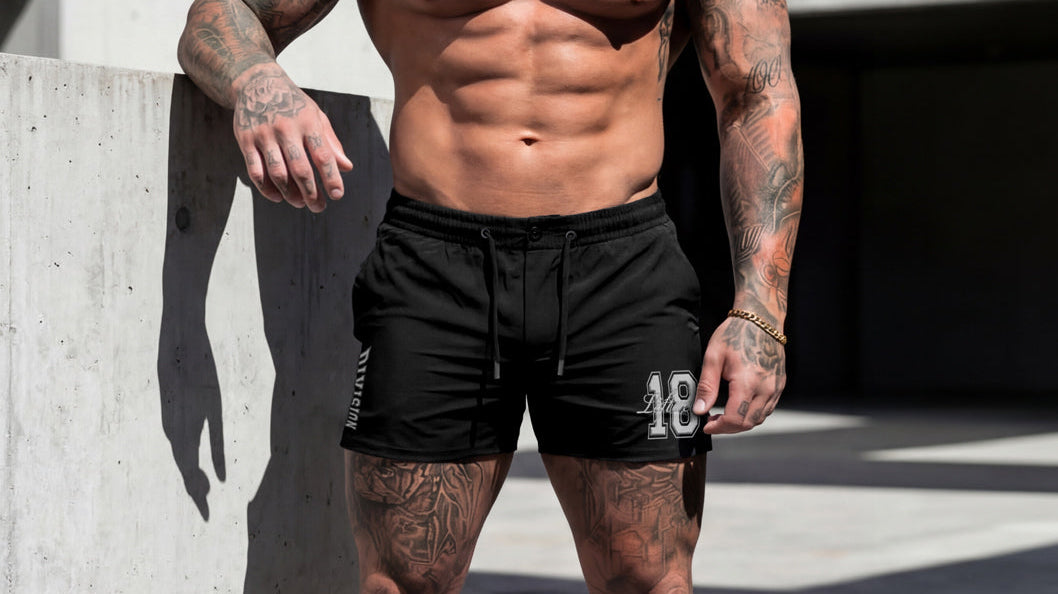
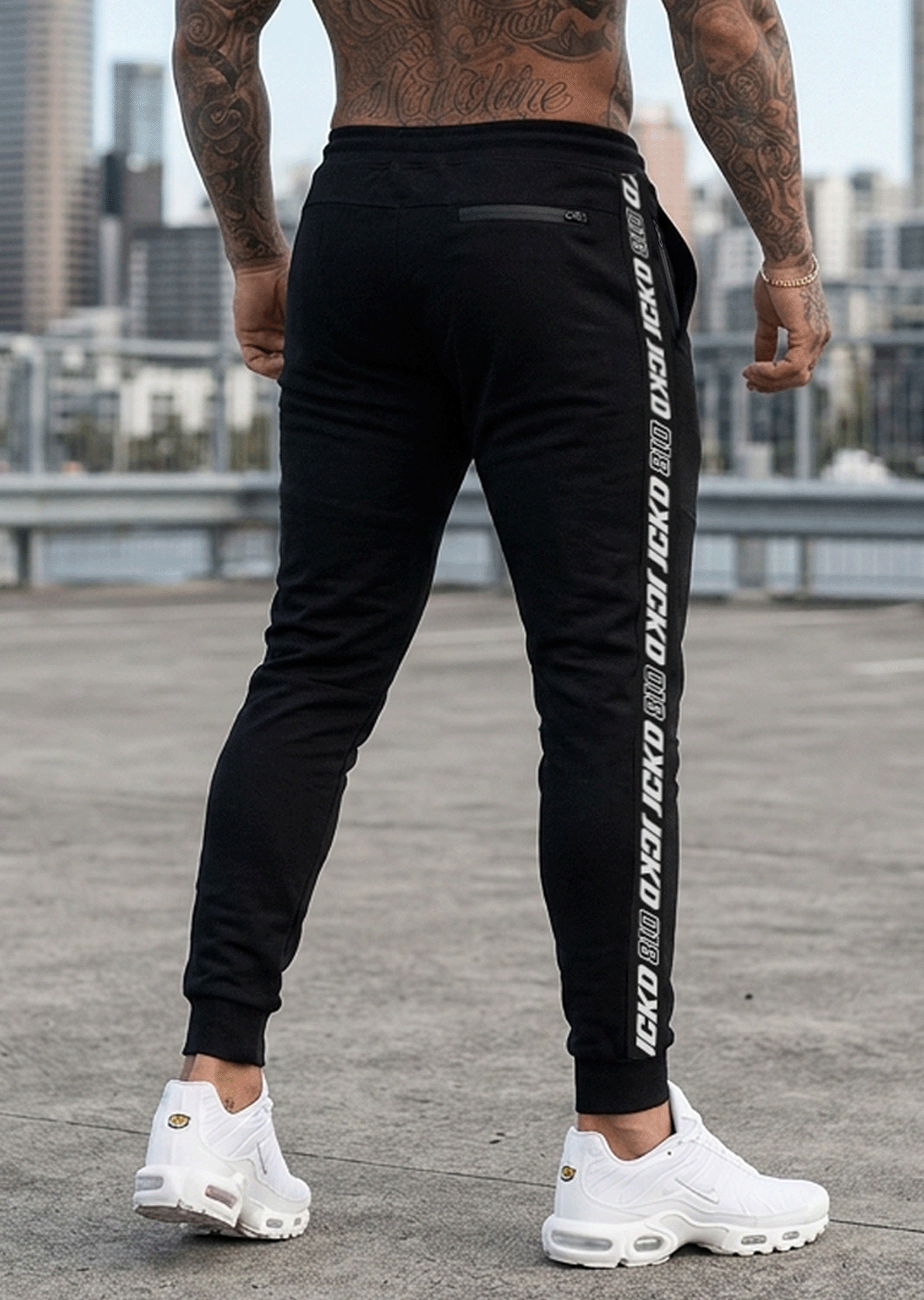
Bottoms are where most gym wardrobes fail the outside-world test. The Core-Lock Joggers are built for exactly this crossover: 230 GSM in a 54% polyester, 46% cotton scuba blend, tapered through the leg, with a deep waterproof zip side pocket sized to hold a phone securely and a rear zip pocket as well. Warm enough for a cold start, structured enough that they do not read as loungewear, and secure enough that you are not patting yourself down at every stop.
The layer that anchors it
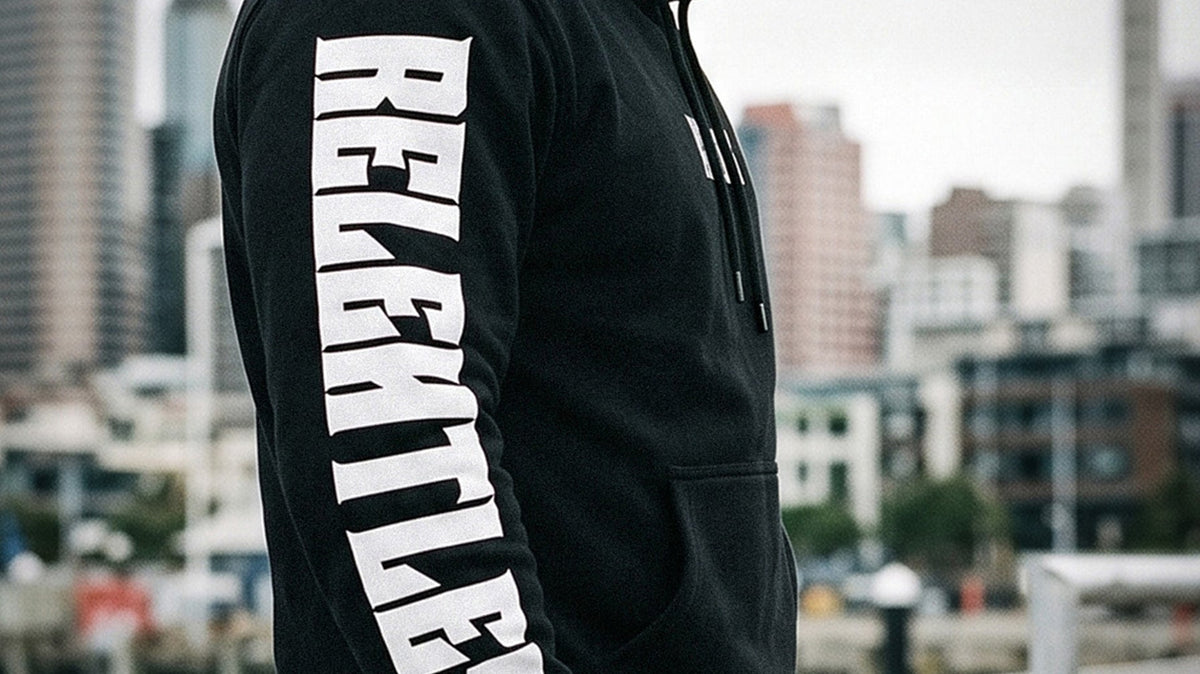
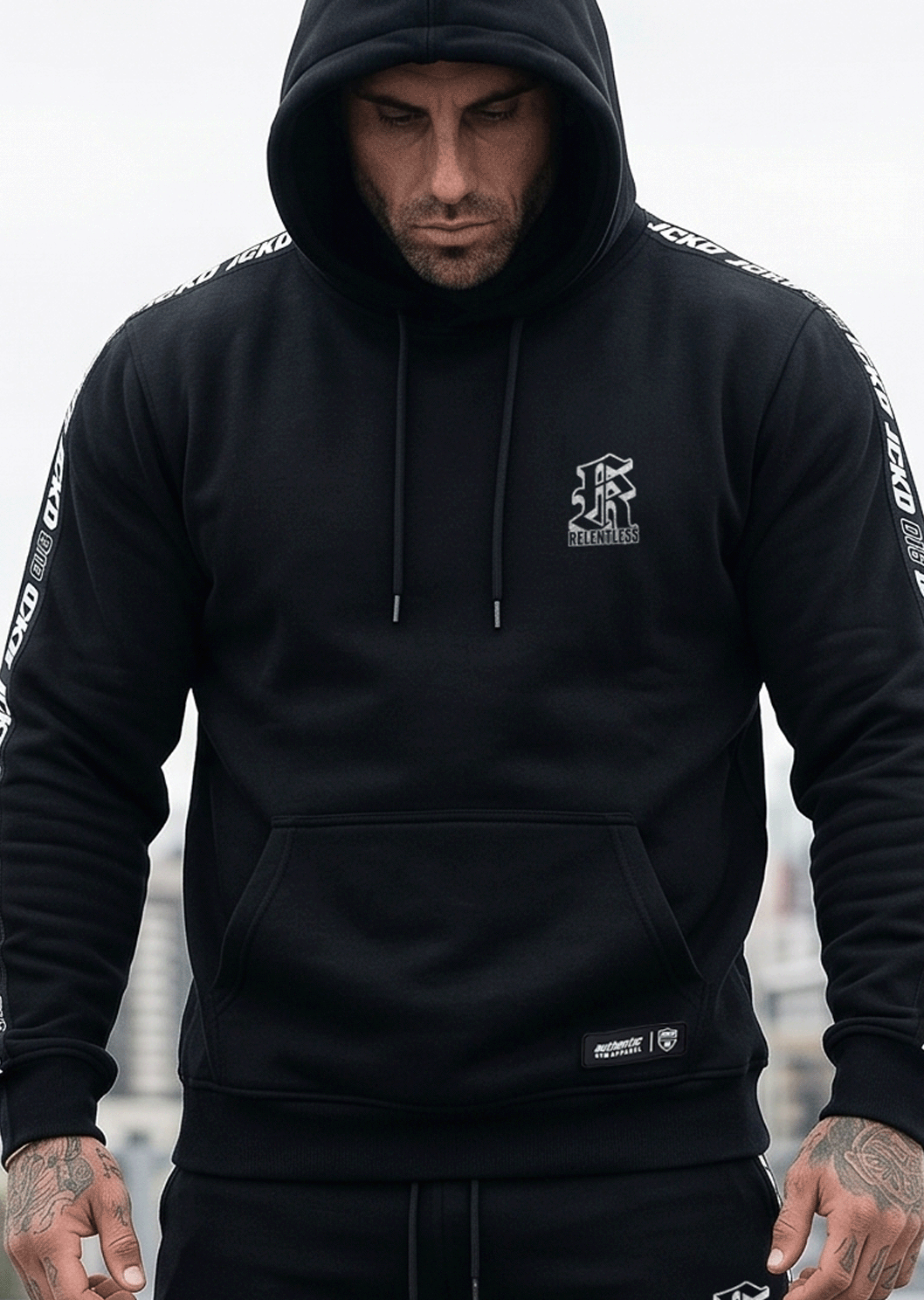
A hoodie is the piece people see most, so it is the worst place to cut corners. The RTLS Armour Hoodie uses 350 GSM anti-pill CVC fleece, 80% cotton and 20% recycled polyester, in a regular athletic fit with a lined hood, kangaroo pocket and ribbed cuffs for shape retention. Anti-pill matters more than it sounds: pilling is what makes a hoodie look two years old after two months.

Browse the full rotation in The Rotation, or go straight to the 3018 Classic Rep Tees if you are building the tee base first.
How to make it look like an outfit, not a uniform
- Vary the weights. A 180 GSM tee under a 350 GSM fleece has shape. Two mid-weight pieces together look flat.
- Pick one loud piece. Oversized graphic tee with plain bottoms, or plain tee with branded joggers. Both loud is a costume.
- Keep footwear off duty. Training shoes with joggers screams gym. Clean trainers or boots move the whole fit into street.
- Do not train in it, then wear it. Athleisure means it can go anywhere. It does not mean it can go everywhere on the same sweat.
The cost-per-wear argument
A $30 tee you wear ten times before it warps costs $3 a wear. A properly built heavyweight tee worn twice a week for two years costs cents. Athleisure only pays off if the pieces survive being worn constantly, which means construction and care both matter. Wash cold, inside out, skip the fabric softener, and air dry in the shade. The full method is in the gym clothing care guide, and if you are building the rotation from scratch, start with the gym wardrobe essentials breakdown.
FAQs
What is the difference between athleisure and activewear?
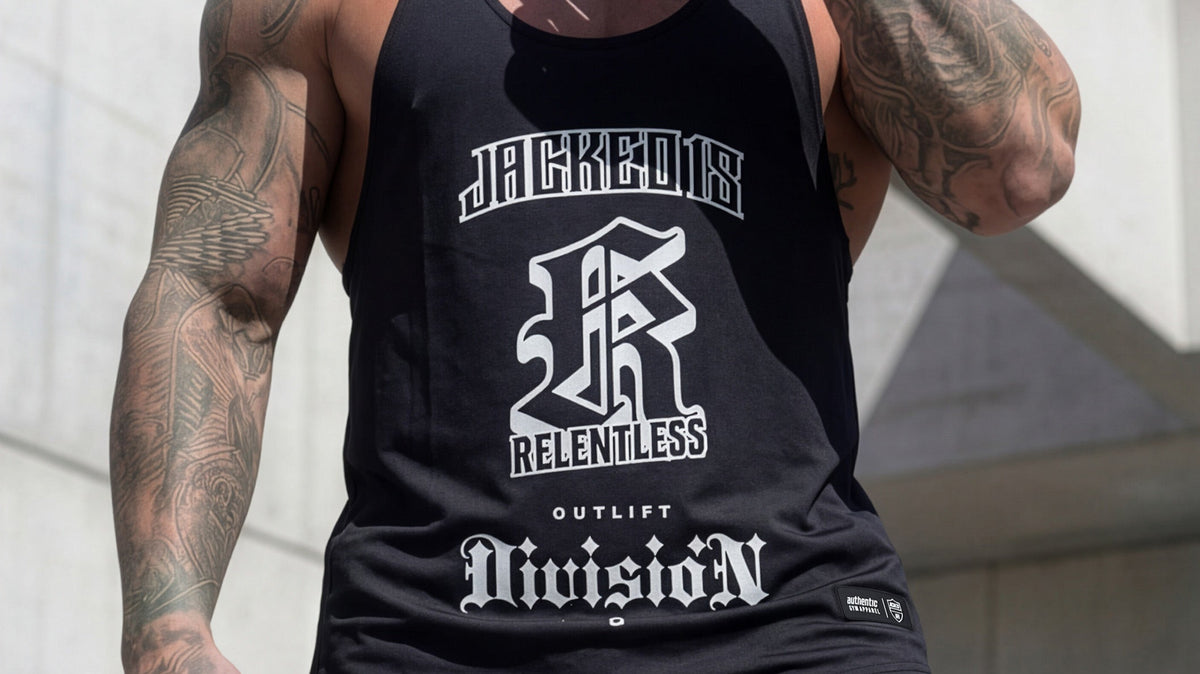
Activewear is built purely for training performance, usually in technical synthetics. Athleisure is built to train in and then stay on: cotton-led fabrics, considered cuts, and finishing details that hold up in daylight. A stringer is activewear. A 220 GSM oversized tee is athleisure.
Is cotton or polyester better for athleisure?
Cotton, or a cotton-led blend, for anything worn beyond the session. Polyester wicks harder during training but retains odour and can start smelling within hours. Combed cotton breathes and stays wearable across a full day.
What GSM should athleisure be?
It depends on the garment. Classic-cut tees generally sit between 180 and 220 GSM depending on the shirt, oversized cuts around 220 GSM, joggers around 230 GSM, and fleece hoodies around 350 GSM. Below roughly 160 GSM a tee starts clinging and losing shape, which is exactly where athleisure stops working.
Can you wear gym clothes every day without them wearing out?
Yes, if two things are true. The construction has to be there from the start, meaning preshrunk fabric, twin-needle stitching and reinforced seams. And you need enough pieces in rotation that nothing gets washed to death. Four to six tops in circulation is the practical minimum.
The short version
Athleisure is not a category of clothing. It is a standard: pieces built well enough that changing out of them is optional. Get the weight right, keep it cotton-led, choose cuts that look deliberate, and buy fewer pieces that survive being worn constantly. That is the whole trick.
Live Relentless.